LANGUAGE

The geometric challenge of complex scaffolding networks
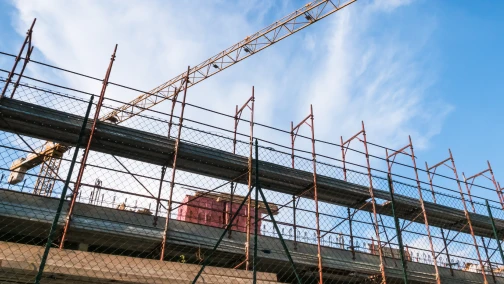
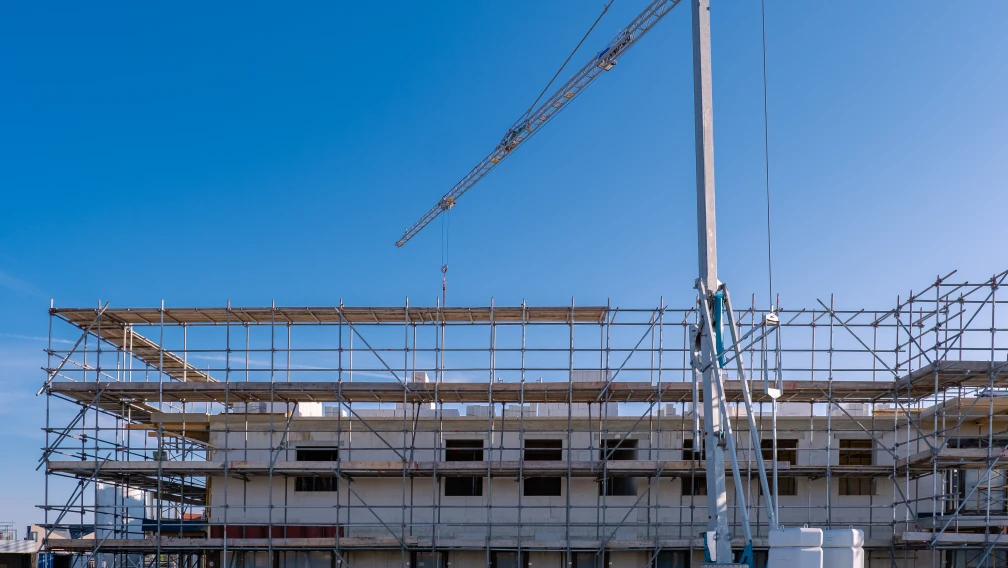
Constructing scaffolding around irregular building facades, circular industrial tanks, and multi-angled bridge piers requires structural flexibility that standard right-angle connections cannot accommodate. While a scaffold double coupler rigidly locks two intersecting tubes at a strict 90-degree angle, real-world construction sites constantly demand diagonal bracing, kickers, and rakers set at various unconventional angles. Site engineers resolve this geometric limitation by utilizing the scaffold swivel coupler, a specialized rotating clamp designed to join two scaffold tubes at any arbitrary degree of articulation.
The mechanical integrity of these pivoting nodes dictates the torsional rigidity of the entire three-dimensional staging structure. When wind shear or heavy dynamic loads strike a high-rise cantilever scaffolding network, the diagonal bracing tied together by swivel couplers absorbs and redistributes the lateral forces, preventing the structure from twisting or racking out of plumb.
Direct Answer: What is a scaffold swivel coupler?
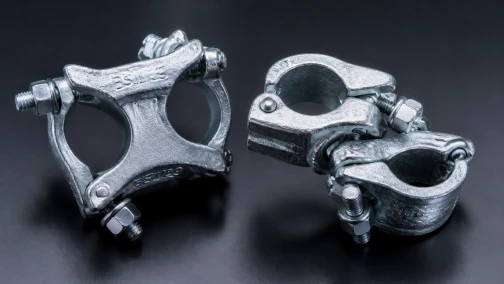
A scaffold swivel coupler is a heavy-duty, drop-forged steel fitting used to join two standard 48.3mm outside diameter (OD) scaffolding tubes at any intersecting angle. It consists of two independently rotating forged steel halves joined by a central heavy-duty rivet or hinge bolt. Each half features a semi-circular channel that wraps around a tube and is secured by a bolted cap tightened with high-tensile Grade 8.8 T-bolts. This rotational freedom allows contractors to erect diagonal braces, cross-bracing, and complex geometric framing without inducing bending stress into the tubes.

Drop-forging metallurgy versus pressed steel alternatives
The manufacturing process of scaffolding couplers represents the single most critical factor in jobsite safety. Swivel couplers are subjected to complex multi-axial forces, combining rotational torque, direct tension, and shear loads simultaneously.
Low-tier manufacturers often produce pressed steel swivel couplers by stamping sheet metal into shape. While lightweight and cheap, pressed steel components possess a thin cross-section that can easily deform, stretch, or split under heavy structural loading, particularly when the bolts are over-torqued. Furthermore, pressed steel cannot withstand the cyclic fatigue of long-term construction projects.
Professional scaffolding infrastructure mandates drop-forged carbon steel couplers. The drop-forging process compresses heated steel billets inside high-tonnage dies, aligning the continuous grain structure of the metal along the contours of the clamp body and the central swivel eye. This metallurgical alignment yields superior tensile strength, high impact resistance, and predictable plastic deformation under extreme overload, providing structural safety margins that pressed steel cannot match.
Load capacities and EN 74-1 Class B standards
To qualify for heavy-duty commercial and industrial construction, swivel couplers must satisfy rigorous international performance benchmarks, most notably the European EN 74-1 standard (Class B specification).
Under EN 74-1 testing guidelines, a certified drop-forged swivel coupler must withstand strict slip resistance and tensile load thresholds. The table below details the baseline engineering parameters expected from professional-grade swivel fittings:
| Technical Parameter | Specification / Performance Limit |
|---|---|
| Tube Compatibility | Standard 48.3 mm Outer Diameter (OD) |
| Articulation Range | 0 to 360 Degrees (Universal Rotation) |
| Safe Working Load (SWL) - Slip Resistance | 9.1 kN (Per Individual Coupler) |
| Safe Working Load (SWL) - Tension | 15.0 kN (Per Individual Coupler) |
| Required Fastener Grade | High-Tensile Grade 8.8 T-Bolt and Collared Nut |
Note: Safe working load limits rely strictly on proper installation torque. If tubes are coated in heavy oil, paint, or excessive corrosion, the friction coefficient drops significantly, reducing the actual slip resistance on site.
The mechanics of slip resistance in rotating joints
Unlike fixed right-angle couplers that feature a rigid, interlocking seating geometry, swivel couplers rely primarily on surface friction to maintain position along a diagonal tube. When a diagonal brace is subjected to compression or tension, the swivel joint experiences a tendency to rotate or slide along the main standard tube.
To counteract this, the inner channels of the forged halves feature serrated or ribbed profiles designed to "bite" into the galvanized surface of the 48.3mm tube under high clamping pressure. When combined with a properly torqued Grade 8.8 T-bolt, this mechanical interaction prevents micro-slip vibrations from loosening the connection during heavy construction operations.
Installation torque specifications and torque wrenches
The operational safety of a swivel coupler is directly tied to the tightening force applied to its fasteners. EN 74 compliant couplers require a standardized installation torque of 50 Nm (Newton-meters) applied to the T-bolt nuts.
A widespread violation on construction sites involves workers using pneumatic impact wrenches without torque-limiting bars. An uncalibrated impact driver can easily apply over 100 Nm of torque within seconds. This extreme over-tightening stretches the threads of the T-bolt past their yield point, creates internal micro-cracks in the forged cap, and permanently damages the fastener. Conversely, under-torquing leaves the diagonal brace loose, causing structural sway under wind loads. Site supervisors must mandate calibrated torque wrenches during routine scaffold inspections.
Integration with structural steel and beam connections
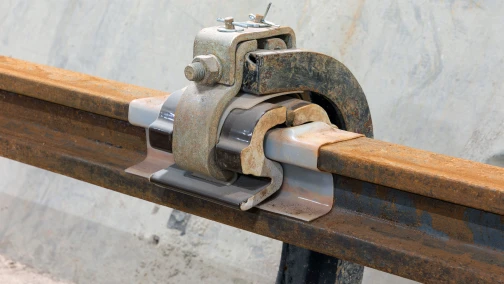
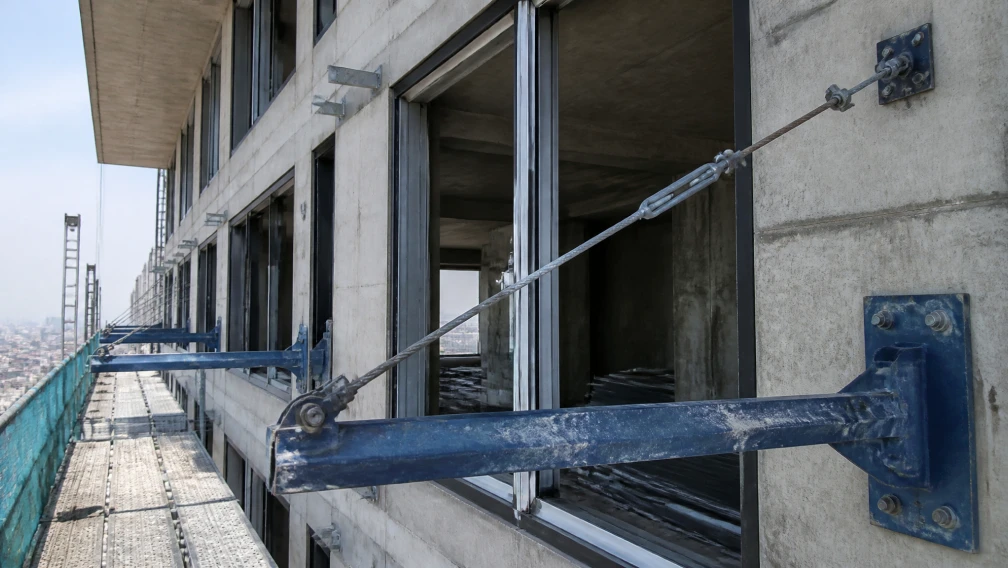
In complex civil engineering projects, swivel couplers often act as the connecting bridge between tube-and-coupler scaffolding and permanent structural steel frames. When a diagonal bracing tube cannot attach directly to another tube, it must be anchored to structural steel members using specialized hardware such as a scaffold beam clamp. The swivel coupler links the brace tube to an intermediate vertical drop-tube suspended from the beam clamp, ensuring continuous load transfer throughout the structural matrix.
Surface treatments: Zinc plating vs. hot-dip galvanizing
Scaffolding hardware operates exposed to severe outdoor environments, encountering rain, coastal salt fog, and abrasive cement mortar on a daily basis. Without proper anti-corrosion protection, raw steel couplers rust rapidly, freezing the pivoting hinge and locking the T-bolt threads.
Electro-galvanizing (Zinc Plating) provides a clean, bright finish suitable for short-term indoor projects or dry warehouse environments. However, for heavy-duty outdoor construction and long-term rental lifespans, Hot-Dip Galvanizing (HDG) is mandatory. The HDG process immerses the forged swivel assembly into molten zinc, creating a thick (60 to 80 microns), metallurgically bonded zinc-iron alloy layer. This heavy coating completely protects the central hinge pivot and threaded components from corrosive degradation across multiple project cycles.
Procurement rules: Avoiding uncertified import risks
For international B2B buyers, importing scaffolding couplers based solely on the lowest per-piece price introduces extreme legal liability. Defective couplers can cause structural collapses, leading to catastrophic injuries and severe project shutdowns.
Procurement managers must enforce strict verification protocols before issuing bulk purchase orders:
- Verify EN 74 Compliance: Demand official third-party test certificates proving compliance with EN 74-1 Class B standards.
- Inspect the Forging Markings: Ensure the coupler body carries clear manufacturer identification stamps and batch numbers for full traceability.
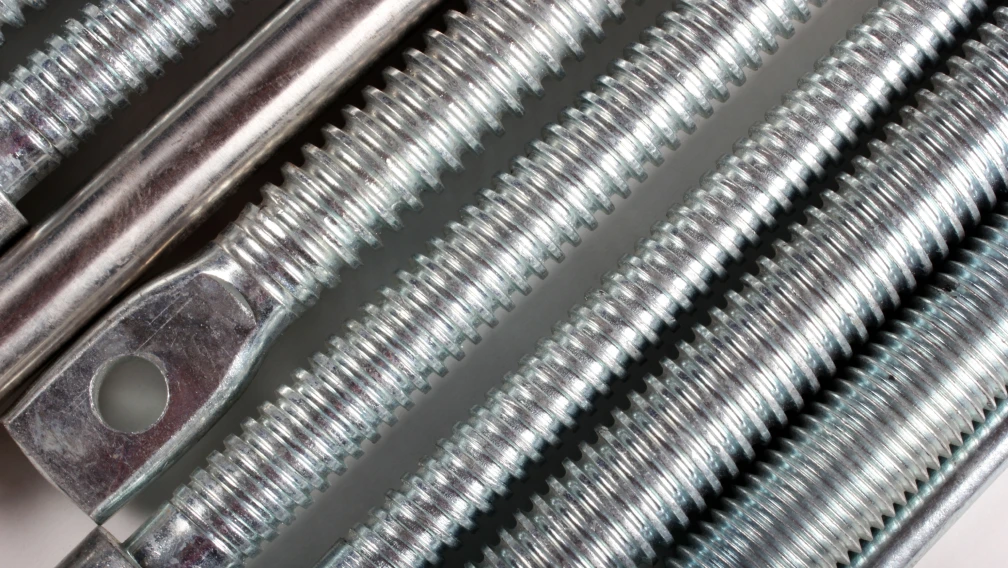
- Check Fastener Quality: Confirm that all T-bolts are stamped with '8.8' and feature cold-rolled threads for maximum tensile strength.
- Conduct Batch Pull-Tests: Request random destructive pull-test reports from independent laboratories verifying slip and tensile thresholds for each production batch.
Connect with our engineering team for certified scaffold couplers
Lengge Steel manufactures a complete range of certified scaffolding hardware, including drop-forged scaffold swivel couplers, double couplers, beam clamps, and structural steel profiles. We supply international rental companies and tier-one contractors with fully traceable, EN 74 compliant connections engineered for maximum safety under high-stress conditions. Submit your project requirements, target quantities, and destination port to our team to receive a comprehensive wholesale quotation and certified test documentation. Visit our contact page to secure your project supply chain today.
-

Lengge
Cantilever Scaffolding System Manufacturer
Lengge is a China-based factory producing cantilever I-beams, tie rods, couplers, embedded parts and full scaffolding accessories. We supply contractors, wholesalers and rental companies in over 50 countries from our own production facility in Hebei.