LANGUAGE


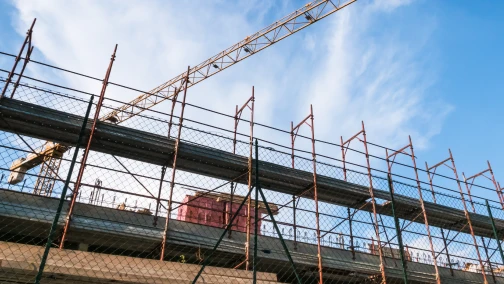
Temporary structures transfer loads through mechanical junctions. The integrity of a tube-and-fitting scaffold relies entirely on the friction and physical grip generated by the couplers connecting the steel tubes. When a working platform suspends heavy masonry materials or supports formwork loads, a single slipping coupler transfers extreme stress to adjacent nodes, risking progressive structural collapse. To prevent this, international engineering bodies strictly regulate the design, manufacturing, and slip resistance of scaffold fittings.
For decades, procurement managers and site engineers have navigated a confusing landscape of standard designations, primarily deciding between EN 74 and BS 1139. This technical guide examines the regulatory relationship between these two standards, details the rigorous slip testing protocols that determine safe working loads, explains the critical differences between Class A and Class B load ratings, and outlines the mandatory traceability markers required on compliant scaffolding hardware.
Direct Answer: What is the difference between EN 74 and BS 1139?
BS 1139 is an older British Standard for scaffolding components, while EN 74 is the current European standard that specifically governs the testing and performance requirements for scaffold couplers and fittings. In modern engineering practice, BS 1139 Part 2 (which covered couplers) has been officially withdrawn and superseded by EN 74-1. However, BS 1139 remains a ubiquitous commercial term in Middle Eastern, Asian, and Commonwealth markets to specify traditional 48.3 mm galvanized steel tube-and-fitting systems. A compliant modern fitting ordered under the commercial designation "BS 1139" must actually be tested, certified, and marked according to the performance criteria defined in EN 74-1.
The Regulatory Shift: From BS 1139 to the EN 74 Series
The British Standard BS 1139 was the global benchmark for temporary works materials throughout the late 20th century. It was a comprehensive standard encompassing everything from the metallurgical properties of the steel tubes to the dimensional tolerances of the fittings. Part 2 of BS 1139 explicitly detailed the requirements for couplers.
As European standardization efforts unified under the CEN (European Committee for Standardization), individual national codes were harmonized. The testing and performance requirements for scaffold fittings were extracted and modernized into the EN 74 standard series. EN 74-1 now specifies the exact laboratory testing methods, load classes, and structural verification processes for right-angle, swivel, sleeve, and parallel couplers operating on standard 48.3 mm steel tubes. Consequently, the UK published BS EN 74, effectively rendering the old BS 1139 Part 2 obsolete for manufacturing new couplers. Despite this official shift, historical momentum keeps "BS 1139" firmly entrenched in global tender documents and procurement schedules.
Scaffold Fitting Slip Tests: The Engineering Protocol
The core of EN 74-1 certification is the slip test. Because standard scaffold couplers rely on friction rather than mechanical penetration (like a bolt through a beam), the fitting must exert massive clamping force on the tube to resist downward sliding under load.
During a laboratory slip test, a coupler is affixed to a highly polished, standardized steel mandrel (representing a worst-case scenario scaffold tube). The bolts are tightened to exactly 50 N·m using a calibrated torque wrench. A hydraulic ram applies an axial load pushing down on the fitting. The laboratory measures the exact force required to cause the fitting to slip a distance of 1 mm, and subsequently 2 mm, along the tube.
This test differentiates between slipping and ultimate failure. A coupler may slip 2 mm at 18 kN but not physically fracture until 45 kN. In temporary works engineering, the slip force is the governing metric. Once a junction slips, the geometric rigidity of the scaffold grid is compromised, transferring uncalculated loads to surrounding vertical standards. EN 74-1 mandates that production batches are routinely subjected to these slip tests to ensure consistent friction performance.
EN 74 Load Classes: Class A versus Class B
EN 74-1 divides right-angle couplers (the primary load-bearing junctions connecting ledgers to standards) into two distinct performance categories based on their slip resistance.
Class A Fittings
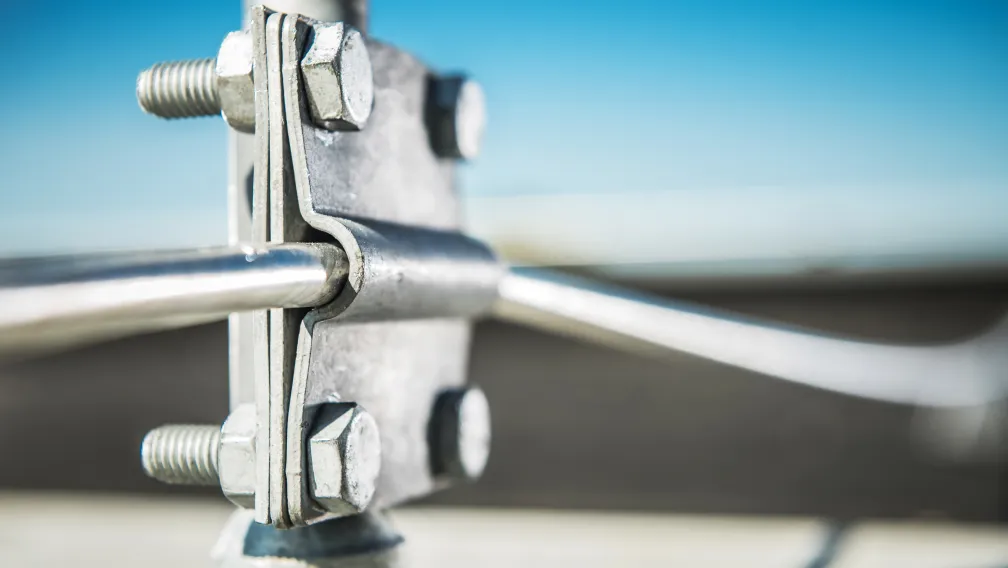
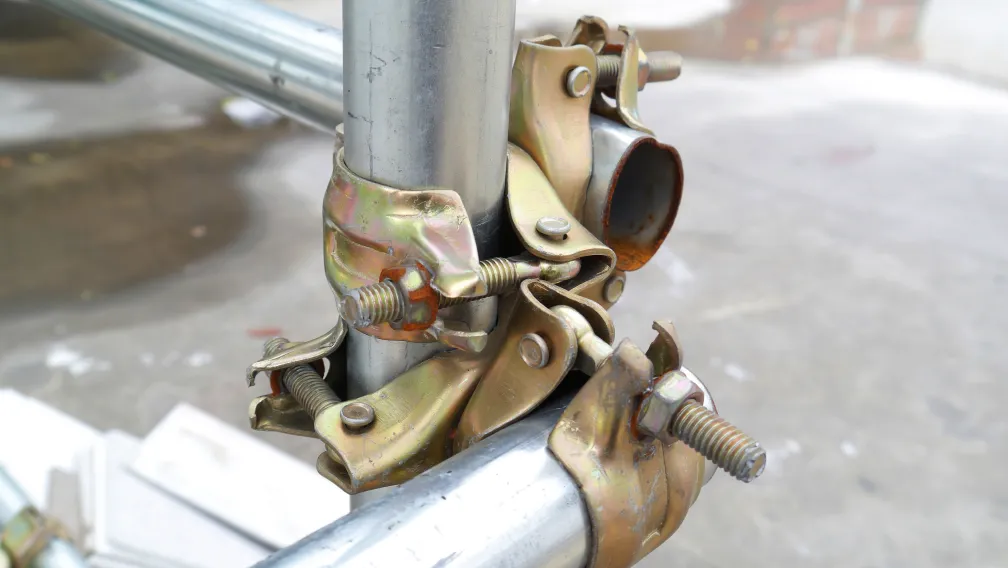
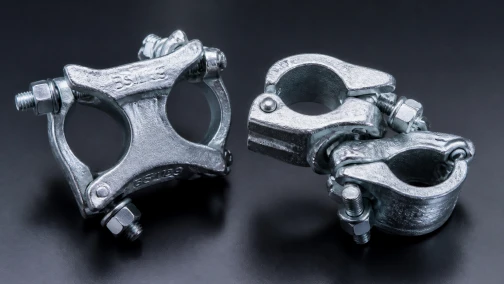
A Class A scaffold double coupler is engineered for standard facade scaffolding, light access towers, and general construction duties. Under the EN 74-1 test protocol, a Class A double coupler must withstand a minimum slip force of 15 kN. When engineers calculate the Safe Working Load (SWL) for site application, applying the mandatory safety factors reduces this test figure to a practical SWL of 6.1 kN per fitting. Class A fittings are often manufactured using pressed steel methods, offering a lighter weight suitable for rapid erection of standard access scaffolds.
Class B Fittings
Class B fittings are the heavy-duty variants utilized in complex falsework, suspended bridging structures, and heavy material loading zones. To achieve a Class B rating, the coupler must sustain a slip force of 25 kN without displacement during laboratory testing. This translates to an engineered Safe Working Load of 9.1 kN on site. Due to the extreme clamping forces required to achieve this friction threshold without distorting the coupler body, Class B fittings are almost exclusively manufactured via drop-forging. The dense, hot-forged steel grain structure provides the necessary rigidity to maintain clamp tension under severe loads.
| Classification (EN 74-1) | Minimum Slip Force (Test) | Safe Working Load (SWL) | Typical Manufacturing Route | Primary Application |
|---|---|---|---|---|
| Class A Right-Angle | 15 kN | 6.1 kN | Pressed Steel / Light Forged | General access, facade scaffolds |
| Class B Right-Angle | 25 kN | 9.1 kN | Drop-Forged Steel | Heavy falsework, suspension, shoring |
Rotational Dynamics: Testing the Scaffold Swivel Coupler
While double couplers maintain strict 90-degree geometry, bracing components require articulated connections. A scaffold swivel coupler joins tubes at variable angles, relying on a central riveted pin to allow rotation. EN 74-1 dictates separate testing criteria for swivel variants.
Because the central rivet creates a mechanical pivot point, swivel couplers cannot sustain the same extreme static loads as rigid double couplers. EN 74-1 rates standard swivel couplers with a slip resistance requirement of 15 kN, mirroring the Class A right-angle parameters, and providing a Safe Working Load of 6.1 kN. Laboratory testing for swivels also includes rigorous rotation and bending tests to ensure the central rivet does not shear or deform when lateral wind loads or structural sway forces are applied through the diagonal bracing tubes.
Mandatory Marking and Traceability Requirements
A critical component of the EN 74 standard is traceability. A visual inspection on site must immediately confirm the fitting's capacity. EN 74-1 strictly mandates that every compliant coupler be permanently embossed or stamped with specific identification data during the manufacturing process. A fitting lacking these marks cannot be accepted as EN 74 compliant, regardless of supplier claims.
The mandatory permanent markings include:
- The standard reference: The text "EN 74" clearly visible.
- The load class: "A" or "B" indicating the slip resistance capability.
- The manufacturer's identification: A registered logo or brand mark (e.g., Lengge).
- The year of manufacture: Usually represented by the last two digits of the year (e.g., "26"), critical for managing fleet depreciation and maintenance cycles.
Procurement Verification Checklist for Buyers
Procurement teams sourcing large volumes of scaffold fittings must move beyond catalogue specifications and demand rigorous proof of compliance to mitigate structural liability.
- Type Test Reports: Request original, unabridged laboratory test reports from an accredited independent testing facility (such as SGS, TUV, or specialized metallurgical labs). The report must explicitly state compliance with EN 74-1 slip, bending, and pull-off tests for the exact fitting model.
- Batch Traceability: Demand mill certificates for the raw steel used in production. The chemical composition and yield strength of the steel must match the parameters submitted during the initial Type Testing.
- Visual Marking Confirmation: Request macro-photographs of the physical stock to verify the presence and depth of the mandatory EN 74, Class, and Year stampings on the coupler body.
- Corrosion Protection Specs: Confirm the thickness of the zinc coating. Fittings must be zinc-plated or hot-dip galvanized to ISO 1461 standards to ensure the threads and hinges do not seize during multi-year exterior deployment.
- Component Compatibility: Ensure the T-bolts and flange nuts are manufactured to the correct tensile strength class (typically Grade 8.8) and feature compatible thread tolerances to prevent binding when power tools are used on site.
Working with Lengge
Lengge manufactures a comprehensive range of drop-forged and pressed scaffold fittings, fully certified to EN 74-1 and BS 1139 standards. Our Hebei production base controls the entire process, from raw steel selection and hot-forging to automated thread rolling and heavy-duty zinc plating. Every production batch undergoes stringent in-house slip and destruction testing before dispatch, accompanied by full traceability documentation.
To request our latest type-test certificates, discuss volume pricing, or schedule a technical consultation regarding heavy-duty Class B scaffolding requirements, please reach out through our contact page. Our engineering supply team is ready to support your global procurement schedules.
-

Lengge
Cantilever Scaffolding System Manufacturer
Lengge is a China-based factory producing cantilever I-beams, tie rods, couplers, embedded parts and full scaffolding accessories. We supply contractors, wholesalers and rental companies in over 50 countries from our own production facility in Hebei.