LANGUAGE

Why tie rods and turnbuckles are critical in cantilever systems
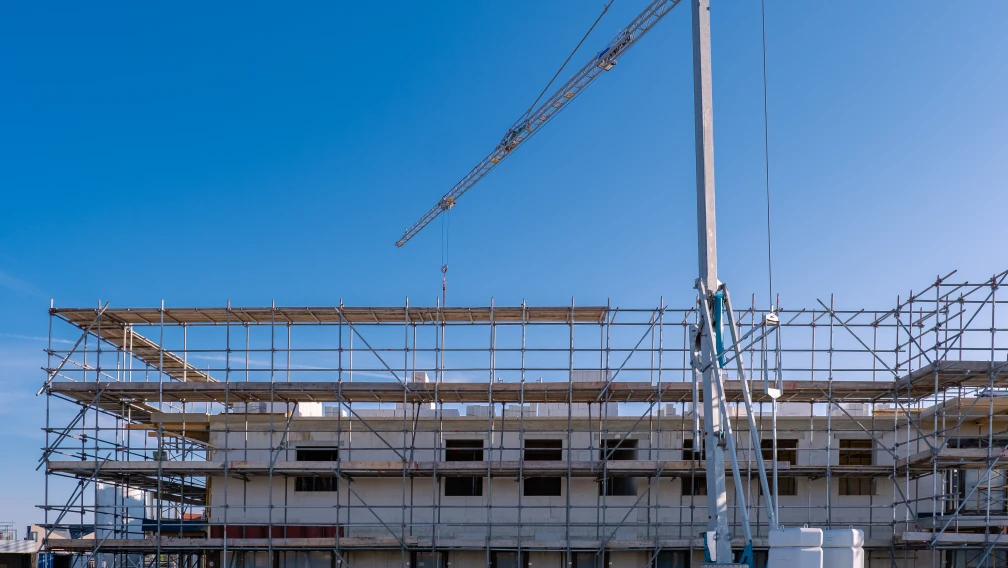
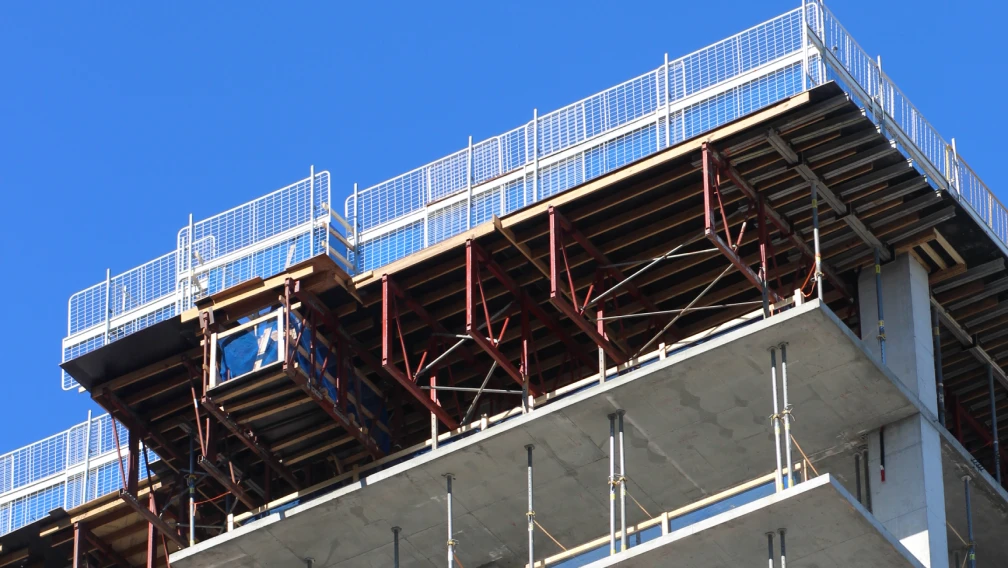
In modern high-rise construction, extending a staging platform or scaffold outwards requires a robust counter-balancing mechanism. Traditional methods often involved burying long steel beams deep into the concrete floor, which consumed excessive material and disrupted interior finishing work. The modern solution utilizes a diagonal anchoring system consisting of high-strength tie rods and turnbuckles.
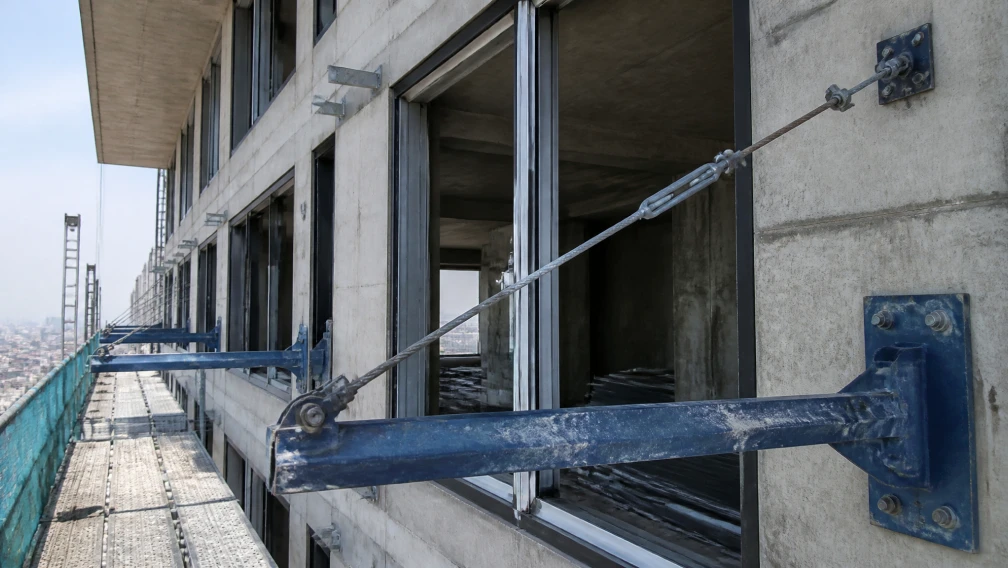
This anchoring setup connects the outer end of the horizontal cantilever I-beam to the upper floor's concrete shear wall or edge beam. The tie rod acts as a pure tension member, transferring the eccentric load from the cantilevered platform directly into the main building structure. A turnbuckle integrated into this tension line allows for precise length adjustment and tensioning. This combination ensures structural rigidity, controls vertical deflection, and significantly reduces the amount of structural steel required on-site. By minimizing the structural footprint inside the building, project managers can accelerate interior masonry and utility installations.
Direct Answer: How do tie rods and turnbuckles secure cantilever scaffolding?
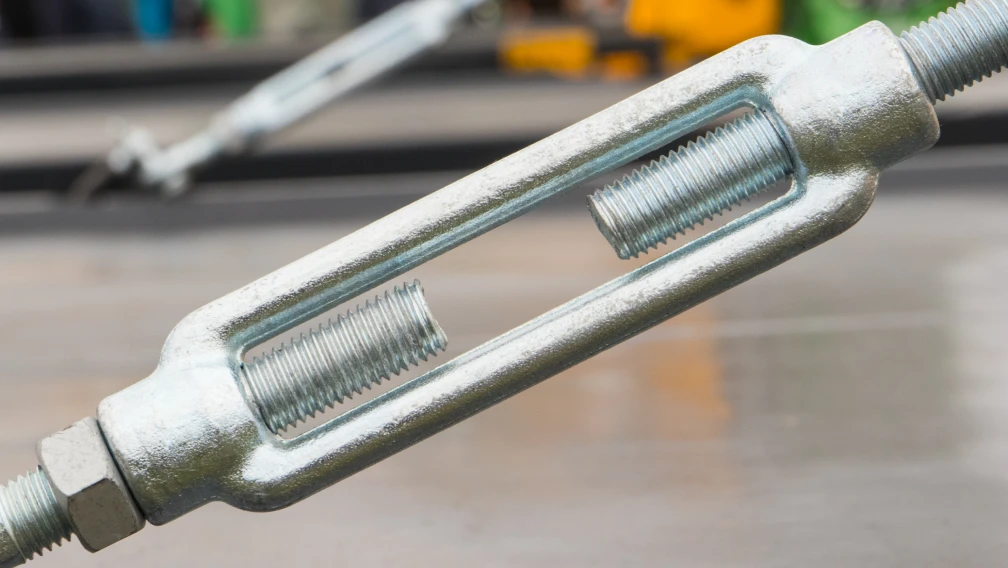
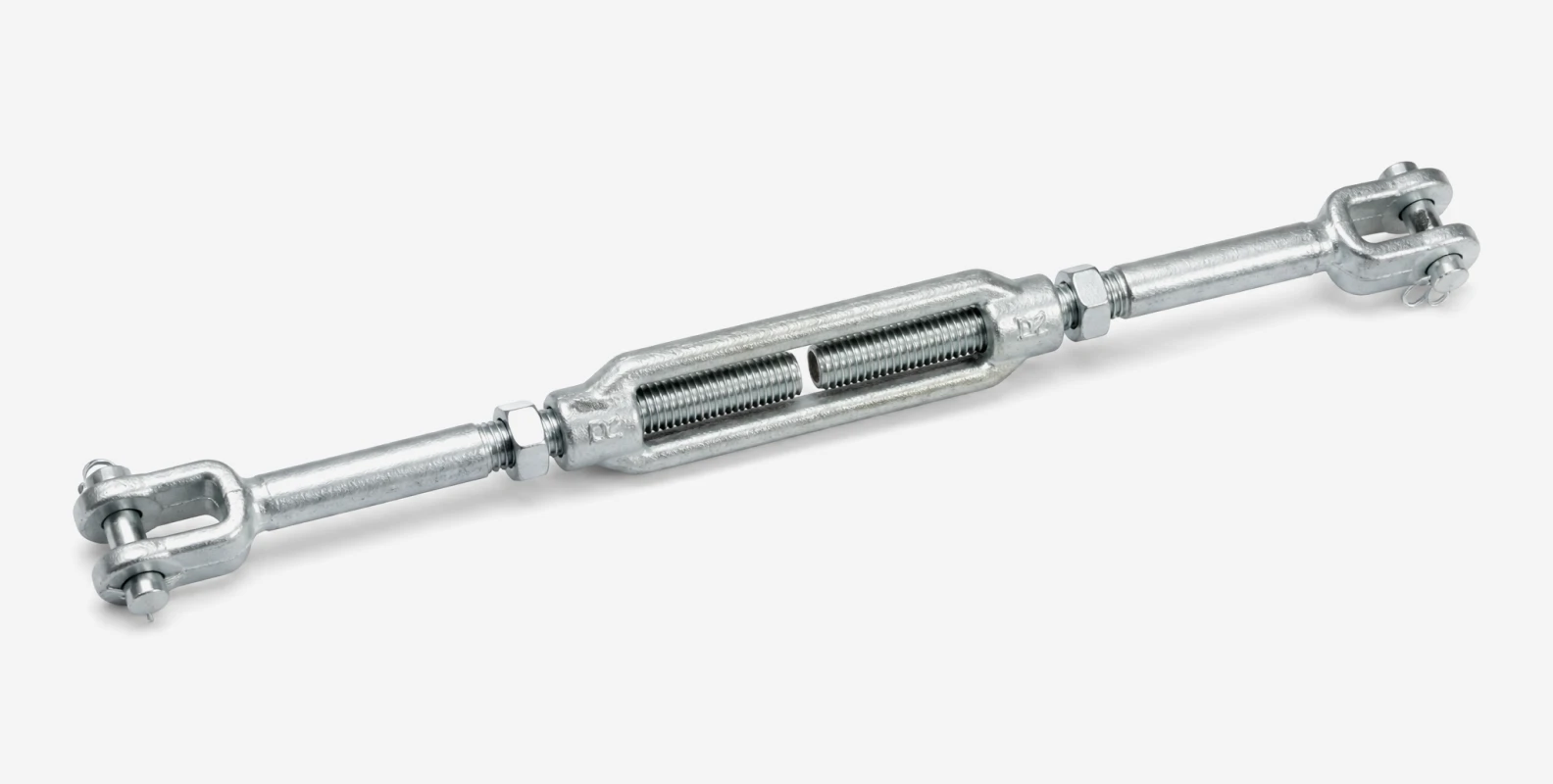
Tie rods and turnbuckles secure cantilever scaffolding by creating a diagonal tension bridge between the projecting steel beam and the structural concrete wall above. The tie rod transfers the downward bending forces of the platform directly into the building's core structural elements. The turnbuckle, featuring left and right-hand internal threads, allows site engineers to rotate the central body to precisely tighten the rod, eliminate slack, and adjust the upward pitch of the cantilever beam to counteract anticipated load deflections.
Closed-body vs. open-body turnbuckles in high-rise construction
When specifying tension hardware for heavy-duty scaffolding, procurement teams must evaluate both open and closed-body designs to ensure site safety.
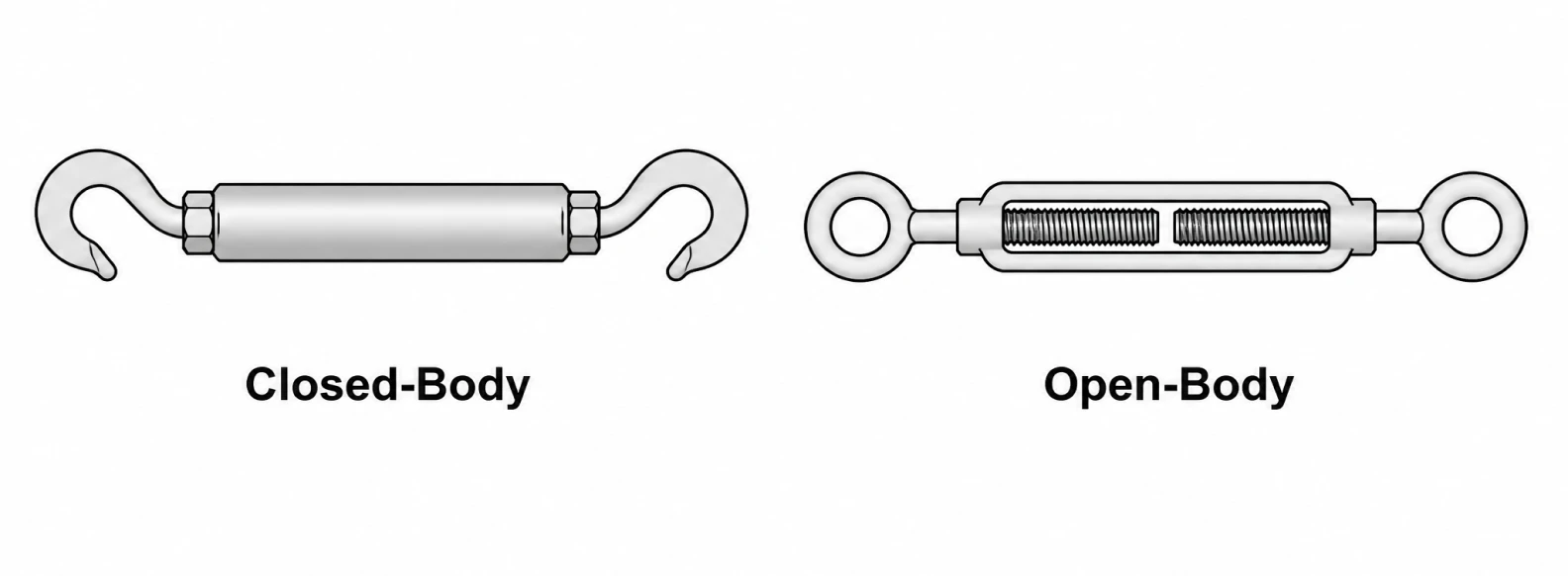
Closed-body turnbuckles feature a solid, tubular steel sleeve that entirely encases the internal threaded mechanisms. This design protects the threads from concrete splatter, abrasive site dust, and extreme weather, making it highly reliable for long-term outdoor construction. The solid tube also provides a higher structural capacity against bending forces if the assembly is accidentally struck by equipment or shifting materials on the platform. For standard B2B cantilever scaffolding, the closed-body turnbuckle is the required specification for maintaining site safety and guaranteeing long-term reusability across multiple projects.
Open-body turnbuckles expose the internal threads. While this configuration permits rapid visual inspection of the thread engagement, it leaves the sensitive mechanical mechanism vulnerable to site debris. In high-rise environments where wet concrete, mortar, and heavy dust are constantly handled, exposed threads can quickly jam. This makes subsequent tension adjustments or structural dismantling exceptionally difficult.
Technical specifications and steel grades
The physical integrity of the tie rod assembly dictates the safety margin of the entire cantilever scaffold. A structural failure in the tension line directly causes a catastrophic platform collapse. Therefore, components must meet strict metallurgical and dimensional standards.
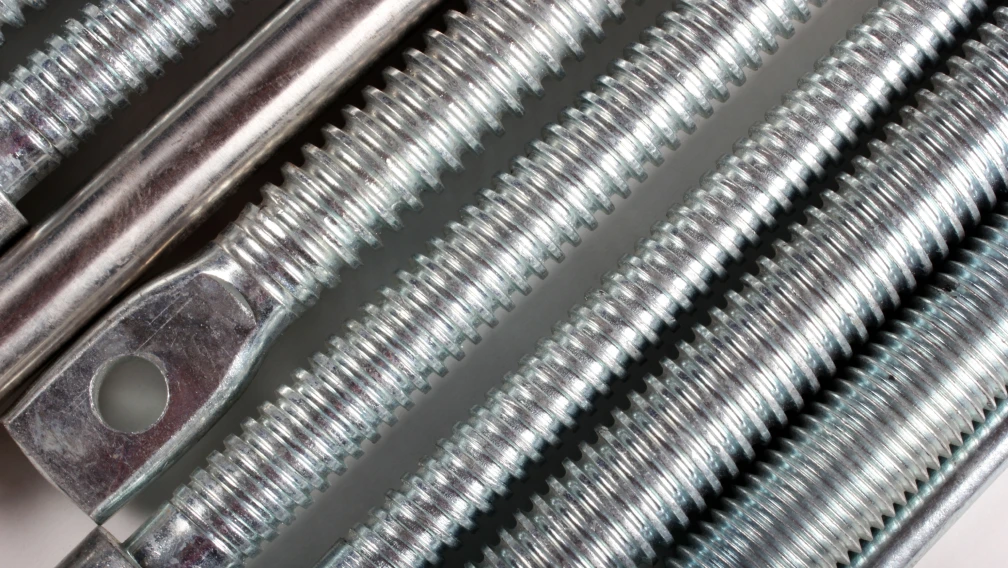
High-capacity tie rods and turnbuckles are manufactured from forged carbon steel or low-alloy steel, such as Q235B or Q355B. Drop forging ensures a continuous and unbroken grain flow in the metal structure, providing superior tensile strength and fatigue resistance compared to brittle cast alternatives. The hardware must withstand dynamic impact loads from heavy wind shear and tower crane operations.
Thread configuration is equally critical. Acme threads or coarse metric threads are exclusively utilized to resist stripping under high mechanical tension. The threading must be precision-machined to ensure smooth rotation under load without galling. Smooth thread engagement enables rapid installation and prevents workers from using excessive leverage tools that could permanently damage the internal components.
Assessing environmental impacts on tie rod systems
In tropical or coastal construction zones, high ambient humidity and salt fog rapidly accelerate the oxidation of steel components. Unprotected threads will rust rapidly, freezing the turnbuckle solid and making future tension adjustments impossible. This is why standard electro-galvanizing is insufficient for heavy-duty cantilever systems.
Hot-dip galvanizing (HDG) is the optimal and standard surface treatment for external anchoring components. The HDG process immerses the steel in molten zinc, creating a metallurgically bonded zinc-iron alloy layer that withstands mechanical impact and severe weather. A minimum zinc coating thickness of 80 microns is recommended to protect the steel from corrosive coastal air and the chemical degradation caused by direct cement contact. When sourcing equipment for projects in Southeast Asia or the Middle East, verifying the galvanization micron count is a critical procurement step for B2B buyers.
Key load capacities and safety standards
Safety regulations govern the deployment of tension members in suspended and cantilevered structures. Site engineers must align their procurement tightly with structural calculations and international safety mandates.
Occupational safety regulations, such as OSHA 1926.451, require that all scaffolding components support their own weight and a multiple of the maximum intended working load (typically a 4:1 safety factor) without structural failure. If a cantilever staging area is rated for a specific weight limit, the tension anchoring system must withstand a minimum ultimate breaking load that is significantly higher to accommodate dynamic shock loads.
Furthermore, the inclination angle of the tie rod is strictly regulated. The angle between the tension tie rod and the horizontal cantilever beam should never be less than 45 degrees. A steeper angle directs more of the force vertically into the concrete wall anchor, reducing the horizontal compressive stress pushing back on the I-beam. If site restrictions force an installation angle below 45 degrees, the tension load on the rod increases exponentially. This specific situation requires a mandatory upgrade to thicker tie rods and heavier turnbuckles to prevent structural failure.
Best practices for tie rod installation and tensioning
Proper installation procedures guarantee the calculated load distribution across the scaffold matrix. Site construction teams must follow a sequential tensioning process to secure the platform safely.
- First, workers verify that the embedded wall anchors or through-bolts have reached the required concrete curing strength. The structural concrete must typically achieve at least 75% of its total design strength before any mechanical load is applied to the anchors.
- Next, the lower end of the tie rod is pinned to the welded twin-ear lug on the cantilever I-beam using a high-strength clevis pin and cotter pin. The upper end is subsequently connected to the high-strength wall anchor.
- The turnbuckle is rotated manually using a dedicated wrench or integrated turning lever. Workers tighten the assembly until the slack is completely removed and the horizontal beam achieves a slight upward camber, usually between 1 to 2 degrees. This pre-tensioning compensates for the natural downward deflection that will occur once scaffolding tubes and building materials are loaded onto the platform.
- Finally, locking nuts (jam nuts) located at both ends of the turnbuckle body are tightened securely against the sleeve. This crucial step prevents accidental loosening caused by site vibrations or wind sway.
Common failure points and prevention strategies
Even high-quality scaffolding hardware can fail if subjected to improper use or poor site management. Understanding these specific failure points helps site managers enforce better safety protocols.
- Over-tensioning: Using powered equipment or excessive mechanical leverage to tighten the turnbuckle can yield the steel threads before any live load is even applied to the platform. Tensioning should only be performed manually with specified hand tools.
- Thread Galling: Thread galling occurs when high-tension zinc-coated threads rotate under extreme pressure, causing the metals to essentially cold-weld together. Applying a specialized anti-seize compound or molybdenum disulfide grease to the threads prior to installation prevents galling and ensures smooth operation.
- Eccentric Loading: Tie rods are engineered to handle pure axial tension. If the mounting lugs on the I-beam or the wall anchors are misaligned, the tie rod bends slightly at the connection point. This introduces bending stress, which significantly reduces the pure tensile capacity of the rod. Strict alignment during the installation of wall anchors is essential.
Comparative cost analysis: Traditional vs. tie-rod cantilevers
Transitioning from traditional deep-insertion cantilever beams to tie-rod supported systems offers significant economic advantages for large-scale contractors.
| Operational Feature | Traditional Deep-Insertion Cantilever | Modern Tie-Rod Anchored Cantilever |
|---|---|---|
| Steel Beam Length | External projection + 2x length indoors | External projection + minimal anchor base |
| Material Procurement Cost | High (Requires massive structural steel volume) | Low (Dramatically reduced steel tonnage) |
| Interior Disruption | Blocks masonry walls and floor screeding | Zero disruption to interior trades and finishing |
| Load Transfer Method | Bending moment distributed across floor slab | Pure diagonal tension transferred to shear wall |
By integrating a tie-rod and turnbuckle system, the heavy I-beam length is reduced to only the external projection plus a small anchoring footprint at the very edge of the concrete slab. While the tie rod hardware adds a localized acquisition cost, the overall steel tonnage required per cantilever platform drops by up to 60%. Eliminating the long indoor steel extension speeds up the interior masonry and floor screeding processes, severely reducing overall project labor hours.
Maintenance, inspection, and reusability
Cantilever tie rods and turnbuckles are capital assets designed for repeated use across multiple construction cycles. Maximizing their operational lifespan requires a structured maintenance and inspection program.
Upon dismantling the scaffold, all tensioning hardware must be inspected thoroughly by the site safety officer. The inspection criteria include checking for bent rods, deformed threads, and any micro-cracks near the welded connection eyes. The turnbuckle body must rotate freely along the entire length of the internal threads without significant resistance.
Components that pass visual inspection should be power-washed to remove abrasive cement dust, completely dried, and re-lubricated with heavy industrial grease. Proper storage in dry, covered bins prevents resting degradation between projects. Any components showing signs of plastic deformation, thread wear exceeding allowable engineering limits, or severe impact damage must be permanently decommissioned and scrapped to maintain site safety.
Structural integration with heavy-duty I-beams
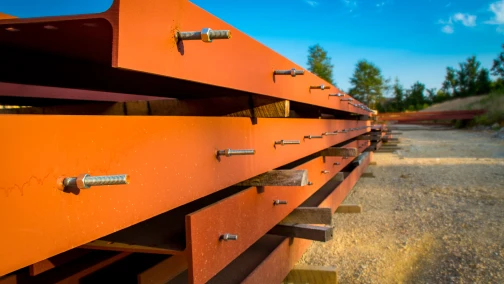
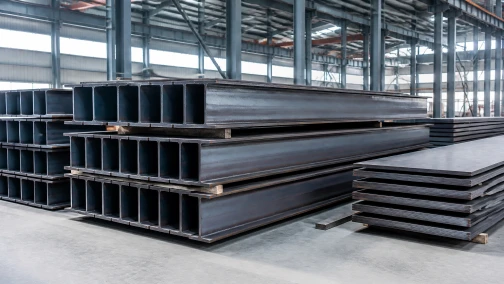
The structural synergy between the diagonal tie rod and the main horizontal support dictates the platform's overall stability. While standard scaffold tubes form the upper framework, the primary foundational load is carried by the cantilever I-beam. The connection point between the I-beam and the tie rod requires a heavy-duty twin-ear anchor lug. This specific lug must be fully welded to the top flange of the I-beam in the factory to ensure maximum penetration and material strength. B2B buyers should avoid site-welded connections on primary load-bearing tension members. Factory-controlled welding conditions, often verified by ultrasonic non-destructive testing (NDT), guarantee a flawless structural joint that site welding cannot reliably replicate.
Documentation and compliance for site handover
Upon completion of the cantilever scaffolding installation, project managers must compile a comprehensive handover dossier for the site safety authorities. This documentation proves conclusively that the tension members and structural beams meet the initial engineering design criteria. The dossier should include the stamped structural engineering drawings, the Mill Test Certificates (MTC) for the tie rods, and a signed pre-use inspection checklist. Furthermore, any modifications made to the anchoring layout due to site conditions must be re-calculated and officially re-approved by the competent person. Maintaining this strict paper trail protects the contracting firm from liability.
Sourcing quality anchoring components for international projects
For B2B wholesalers and large contracting firms, sourcing reliable tie rods and turnbuckles requires vetting the manufacturing facility. Consistent quality control is non-negotiable for structural support components.
Procurement specifications should demand full material traceability. Suppliers must provide Mill Test Certificates (MTC) detailing the exact chemical composition and tensile strength of the steel batch. Buyers should also request third-party load testing reports that verify the minimum breaking strength of the completely assembled turnbuckle, rather than just the individual threaded rods.
Packaging plays a vital role in international logistics. Threaded construction components must be shipped in reinforced crates to prevent thread damage and saltwater corrosion during extended ocean transit. Specifying pre-greased threads and heavy-duty wooden boxing minimizes setup delays upon arrival at the global job site.
Connect with our engineering team for a custom quote
Lengge Steel manufactures complete scaffolding and formwork systems, including heavy-duty tie rods, closed-body turnbuckles, and customized anchoring hardware. We supply global contractors with high-strength components strictly designed for high-rise safety and rapid deployment. Send us your project blueprints, load requirements, and specific target specifications. We will provide a detailed technical proposal, certified load test documentation, and accurate production lead times. Visit our contact page to discuss your next bulk order or project supply needs.
-

Lengge
Cantilever Scaffolding System Manufacturer
Lengge is a China-based factory producing cantilever I-beams, tie rods, couplers, embedded parts and full scaffolding accessories. We supply contractors, wholesalers and rental companies in over 50 countries from our own production facility in Hebei.