LANGUAGE

The backbone nodes of orthogonal scaffolding networks
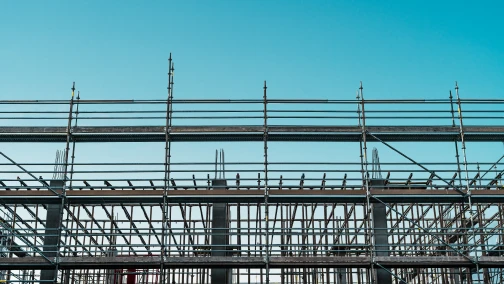
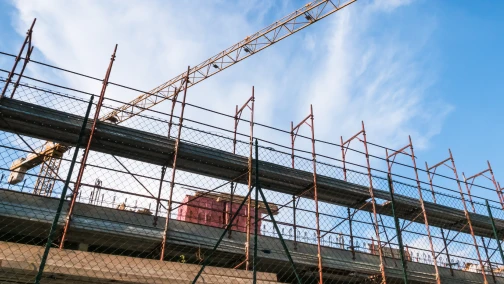
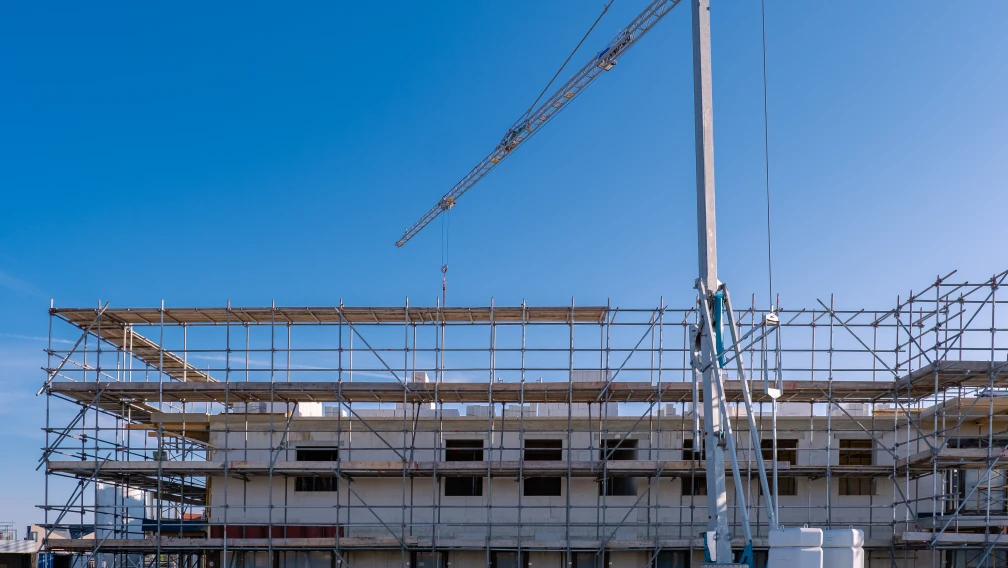
Constructing a safe, multi-tier industrial staging platform or high-rise perimeter scaffold relies entirely on the precision and strength of its orthogonal connections. When standard 48.3mm outside diameter (OD) steel tubes intersect at a strict 90-degree angle to form main standards and ledgers, site engineers deploy the scaffold double coupler (commonly known as a right-angle coupler) to lock the framework into a rigid structural matrix.
Unlike diagonal or pivoting nodes that utilize a scaffold swivel coupler, right-angle connections bear the primary vertical gravity loads of the staging deck, worker traffic, and heavy building materials. If a double coupler slips or fails under compressive stress, the vertical standard loses its lateral support, initiating a progressive structural collapse across the scaffold grid. Consequently, selecting certified, heavy-duty drop-forged right-angle fittings is a mandatory safety requirement for tier-one contractors.
Direct Answer: What is a scaffold double coupler?
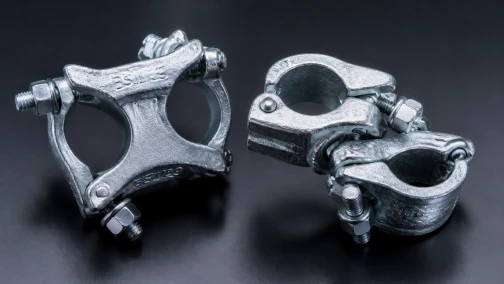
A scaffold double coupler is a heavy-duty, drop-forged steel clamp engineered to join two intersecting 48.3mm OD scaffolding tubes at a fixed 90-degree angle. It features an integrated, solid-body design where the two semi-circular channels run perpendicular to one another. The fitting secures the tubes through high-clamping friction applied by high-tensile Grade 8.8 T-bolts and collared nuts, ensuring that primary load-bearing standards and ledgers cannot slip or rotate under maximum vertical and horizontal working loads.

Drop-forged versus pressed steel: Structural integrity under load
The manufacturing process determines how a scaffolding coupler handles extreme stress. Because double couplers form the primary load paths in structural shoring and cantilever scaffolding networks, material quality is non-negotiable.
Budget suppliers often market pressed steel right-angle couplers formed by stamping sheet metal. While acceptable for extremely light-duty decorative facades or internal painting access, pressed steel fittings lack the structural mass and rigidity required for heavy commercial construction. Under heavy vertical loading or repetitive dynamic wind vibration, pressed steel caps can stretch, allowing the tubes to slip.
Professional-grade scaffolding relies exclusively on drop-forged carbon steel double couplers. The drop-forging process compresses heated steel blanks inside precision dies, producing a dense, void-free internal grain structure that follows the exact geometric curves of the clamp. Drop-forged couplers provide exceptional tensile strength, high impact resistance, and predictable performance under high-stress conditions, complying fully with international safety mandates.
Load ratings and EN 74-1 Class A/B performance standards
To ensure uniform safety across global construction projects, professional double couplers are manufactured and tested in strict accordance with the European EN 74-1 standard (or equivalent international codes such as BS 1139).
Under EN 74-1 guidelines, double couplers are categorized into Class A and Class B designations based on their mechanical slip resistance and load capacities. The table below outlines the baseline engineering thresholds for heavy-duty drop-forged right-angle couplers:
| Technical Parameter | EN 74-1 Standard Specification |
|---|---|
| Tube Compatibility | Standard 48.3 mm Outer Diameter (OD) Steel Tubes |
| Intersection Angle | Strictly 90 Degrees (Orthogonal) |
| Safe Working Load (SWL) - Slip Resistance (Class B) | 6.1 kN (Per Individual Coupler) |
| Safe Working Load (SWL) - Tension / Pull-off | 15.0 kN (Per Individual Coupler) |
| Fastener Standard | Grade 8.8 High-Tensile T-Bolt with Cold-Rolled Threads |
Note: Safe working load values assume clean, dry scaffolding tubes installed with the correct tightening torque. Lubricants, wet paint, or heavy rust on the tube exterior diminish surface friction and reduce slip resistance.
Frictional grip versus load-bearing mechanics
A common misconception among site workers is that double couplers support vertical loads via a mechanical pin-and-hole shear lock. In reality, standard tube-and-coupler systems rely entirely on high-clamping friction. The weight of the scaffolding structure and stored materials presses downward, and the frictional grip generated by the tightened coupler prevents the ledger from sliding down the vertical standard.
To maximize this friction, the interior seating channels of forged double couplers feature deep, serrated gripping teeth. When the Grade 8.8 T-bolt is tightened, these teeth bite slightly into the galvanized surface of the 48.3mm tube. This mechanical interlock prevents micro-slippage without compromising the structural wall thickness of the steel tube.
Installation torque specifications and tool control
Because frictional resistance dictates load capacity, applying the correct tightening torque during erection is critical. EN 74 compliant double couplers require a strict installation torque of 50 Nm (Newton-meters).
Contractors must enforce strict tool control on site. Workers frequently commit the dangerous error of using uncalibrated pneumatic impact drivers to tighten coupler nuts. High-speed impact wrenches can easily exceed 100 Nm within seconds, stretching the T-bolt threads past their elastic limit and inducing micro-fractures in the forged cap. Conversely, under-torqued couplers allow joint slippage under dynamic loads. Routine site audits utilizing calibrated torque wrenches are essential for maintaining structural compliance.
Integration with structural steel and beam connections
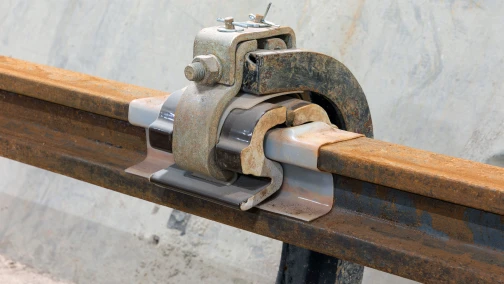
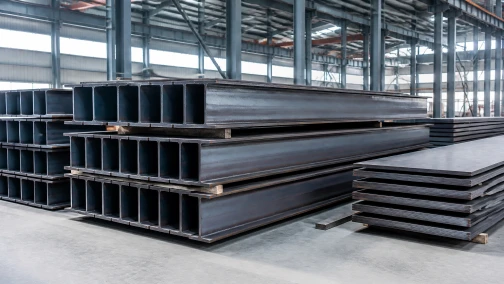
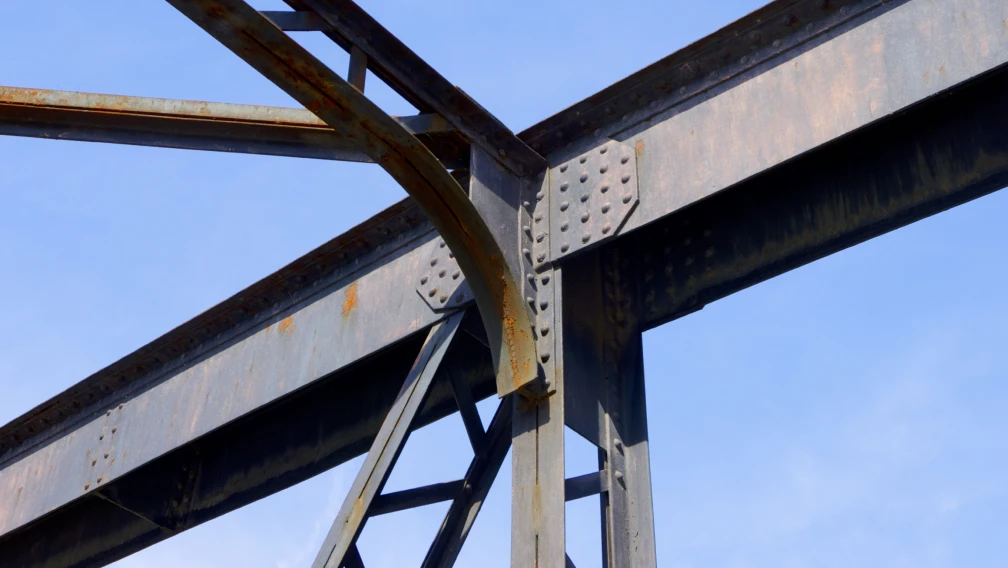
In complex industrial plants, bridge retrofits, and commercial high-rises, scaffolding networks frequently originate from or tie directly into permanent structural steel skeletons. When connecting orthogonal scaffolding tubes to the flat or sloped flanges of structural beams rather than other tubes, workers cannot use standard right-angle couplers. Instead, they must anchor the primary standards using specialized hardware such as a scaffold beam clamp, ensuring a secure transition from structural steel to tubular staging.
Surface treatments: Zinc plating vs. hot-dip galvanizing
Scaffolding hardware represents a major capital investment for rental companies and contractors. Protecting these components from atmospheric oxidation is vital for achieving a 5-to-10-year operational lifespan.
Electro-galvanizing (Zinc Plating) provides a smooth, bright finish suitable for short-term indoor projects, cleanroom maintenance, or dry warehousing. However, for heavy outdoor civil engineering, marine projects, or high-humidity environments, Hot-Dip Galvanizing (HDG) is mandatory. The HDG process coats the forged double coupler in a thick layer (60 to 80 microns) of metallurgically bonded zinc-iron alloy. This heavy-duty coating absorbs physical jobsite impacts and prevents rust from seizing the T-bolt threads across multiple rental cycles.
Procurement rules for international B2B buyers
Importing structural scaffolding couplers requires rigorous supply chain vetting. Purchasing uncertified fittings based solely on the lowest price introduces severe legal liability and safety hazards.
B2B procurement managers should enforce the following purchasing criteria:
- Demand EN 74 Compliance: Require suppliers to provide official third-party laboratory certificates verifying EN 74-1 Class A or Class B performance.
- Verify Forging Certification: Ensure the manufacturer utilizes drop-forged carbon steel and stamps their identifiable logo and batch number directly onto the coupler body.
- Inspect Fastener Specifications: Confirm that all T-bolts are forged from high-tensile steel, stamped with '8.8', and feature cold-rolled threads that resist stripping.
- Review Batch Test Reports: Request independent pull-test documentation verifying slip and tensile thresholds for every commercial production run.
Connect with our engineering team for certified scaffolding hardware
Lengge Steel manufactures certified scaffolding systems, delivering drop-forged double couplers, swivel couplers, beam clamps, and structural steel components to global contractors and rental enterprises. Our production lines feature strict EN 74 compliance, cold-rolled threading, and heavy-duty hot-dip galvanizing. Submit your project requirements, target quantities, and port of destination to our engineering desk to receive a comprehensive wholesale quotation and certified test documentation. Visit our contact page to secure your high-performance scaffolding supply chain today.
-

Lengge
Cantilever Scaffolding System Manufacturer
Lengge is a China-based factory producing cantilever I-beams, tie rods, couplers, embedded parts and full scaffolding accessories. We supply contractors, wholesalers and rental companies in over 50 countries from our own production facility in Hebei.