LANGUAGE


The critical role of embedded accessories in high-rise scaffolding
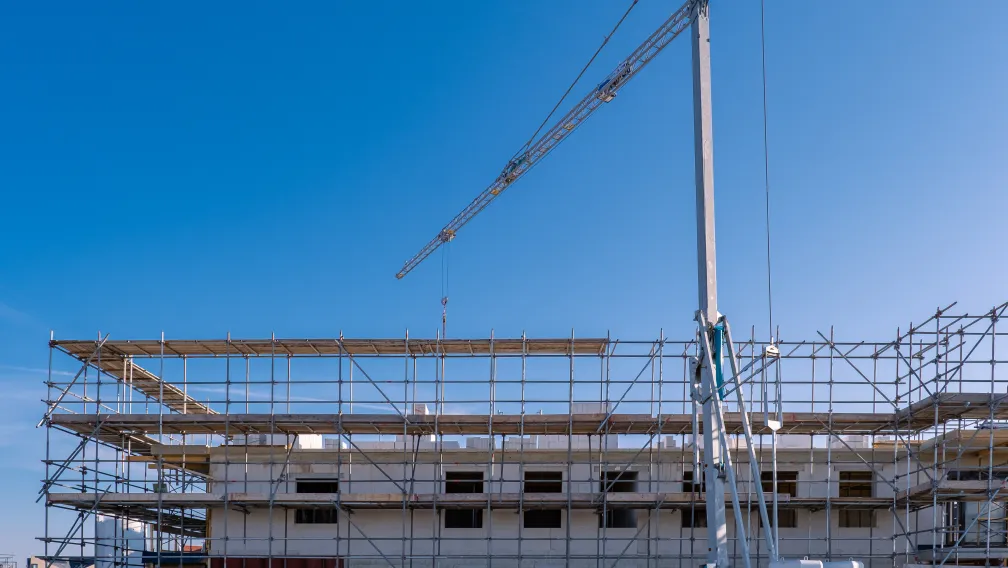
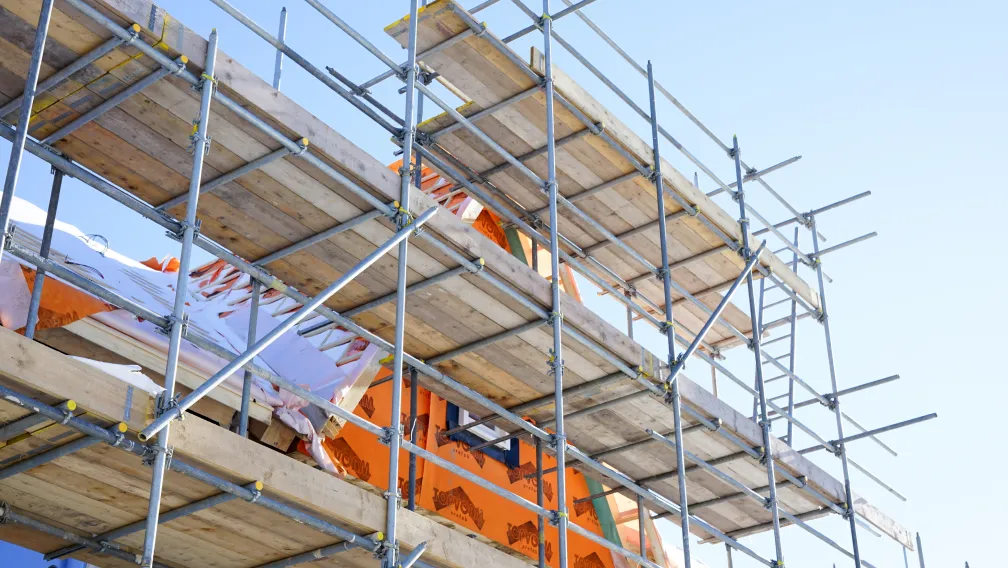
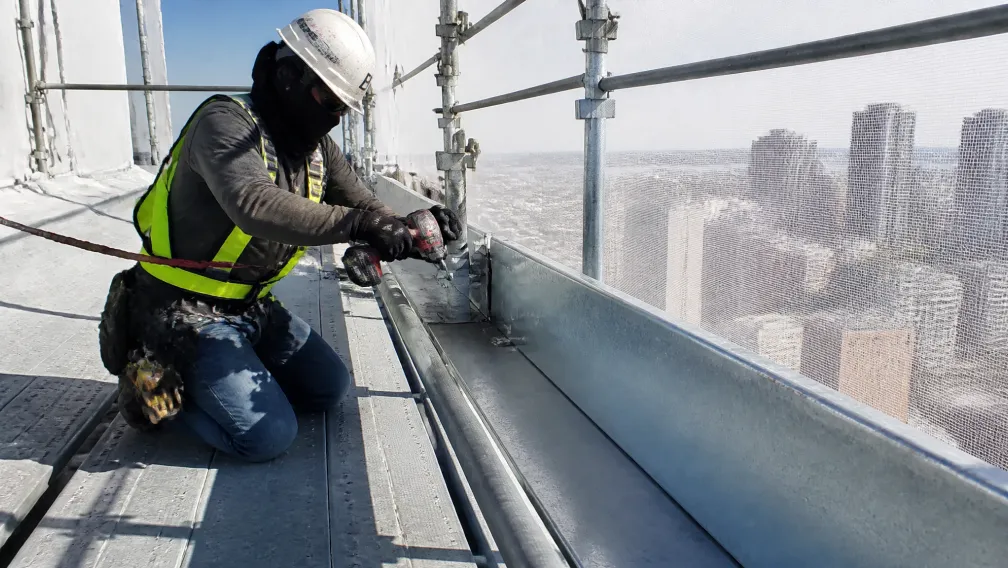
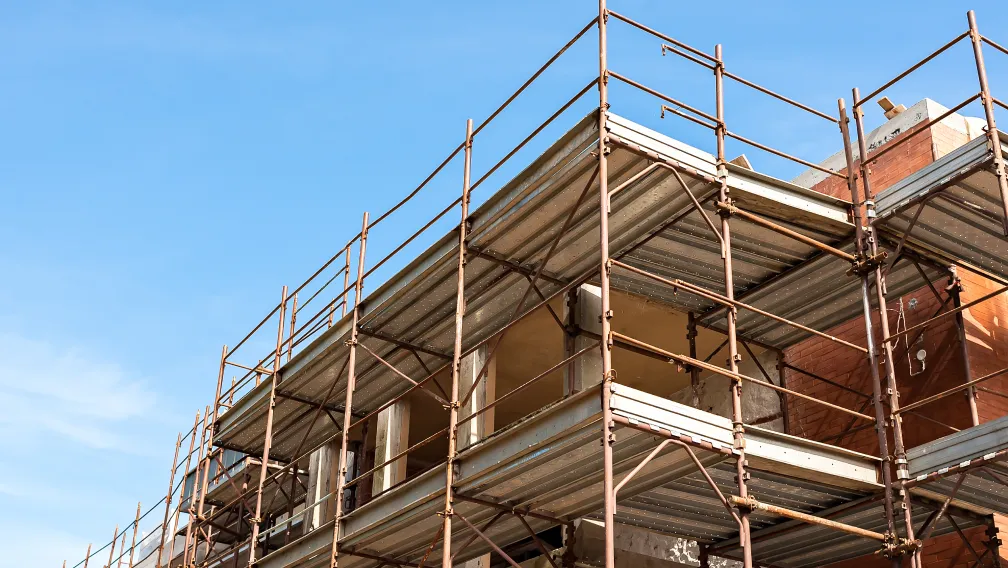
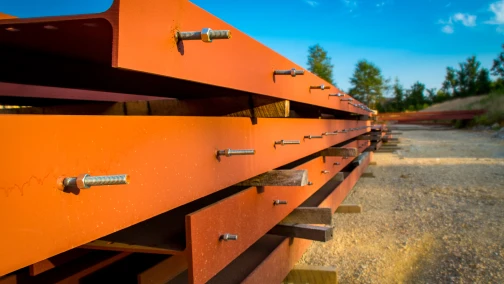
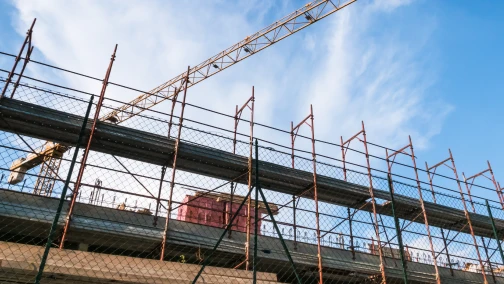
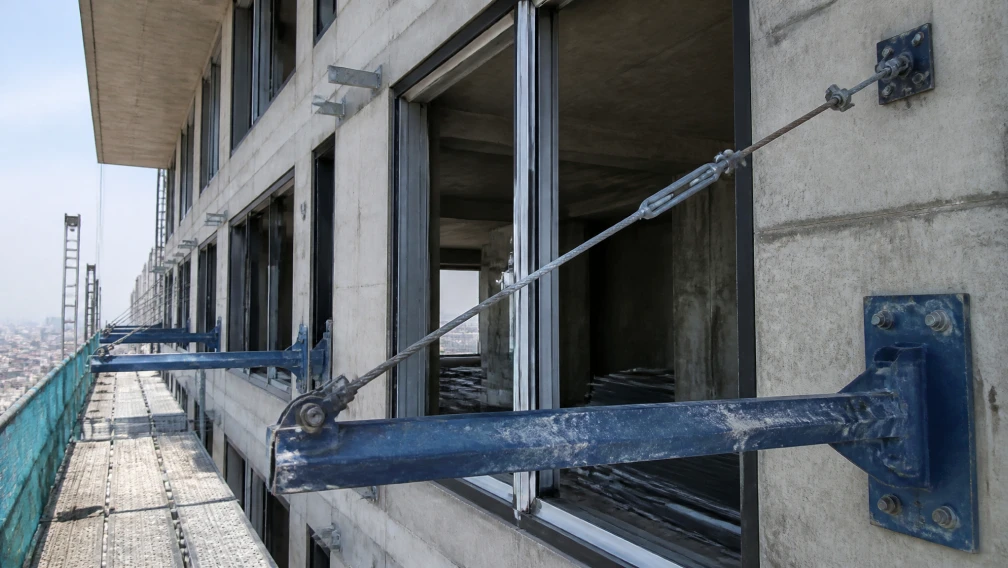
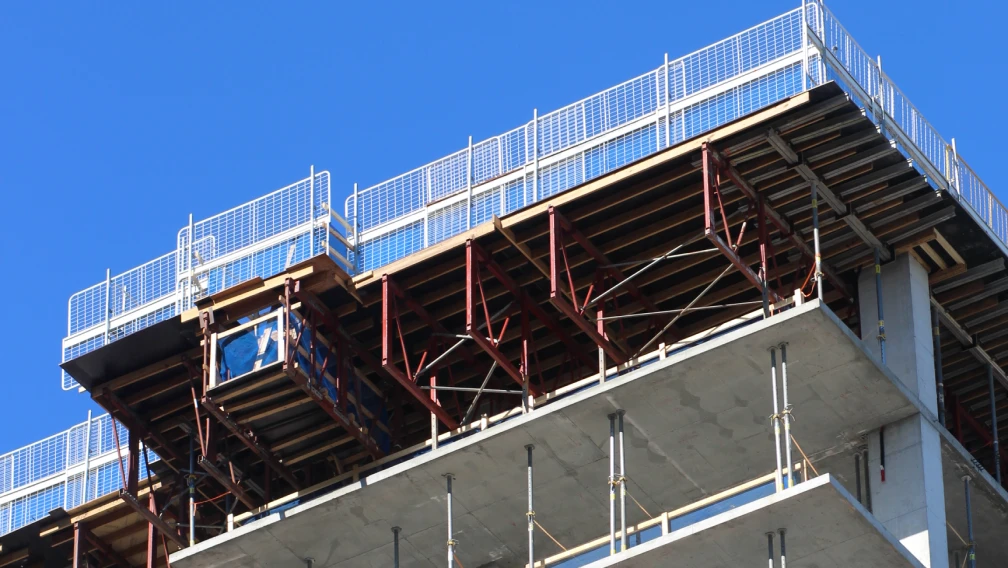
Modern high-rise construction relies heavily on cantilever scaffolding to provide safe perimeter access without requiring ground-up structural supports. Historically, cantilever staging required burying long steel beams into the interior floor structure to counterweight the exterior projection. The modern pull-up cantilever scaffold bypasses this method. The horizontal beam is kept short and bolted directly to the exterior concrete wall. To balance the load, a diagonal tie-rod system connects the outer edge of the beam to the concrete wall of the floor above.
This triangular load-bearing configuration shifts the primary stress from interior bending moments to direct shear and tensile forces on the exterior wall. Consequently, the safety of the entire scaffold matrix relies on the mechanical integrity of the embedded anchoring accessories cast into the concrete.
Direct Answer: What is a concrete threaded insert in scaffolding?
A concrete threaded insert is a high-strength steel socket cast permanently into a structural concrete wall or floor slab during the pouring phase. It provides a flush, internally threaded anchor point on the concrete surface once the formwork is removed. In cantilever scaffolding, these inserts serve as the primary fastening nodes for bolting the horizontal cantilever I-beams and the upper diagonal tie rods directly to the building core, ensuring a secure load transfer without requiring destructive through-wall drilling.
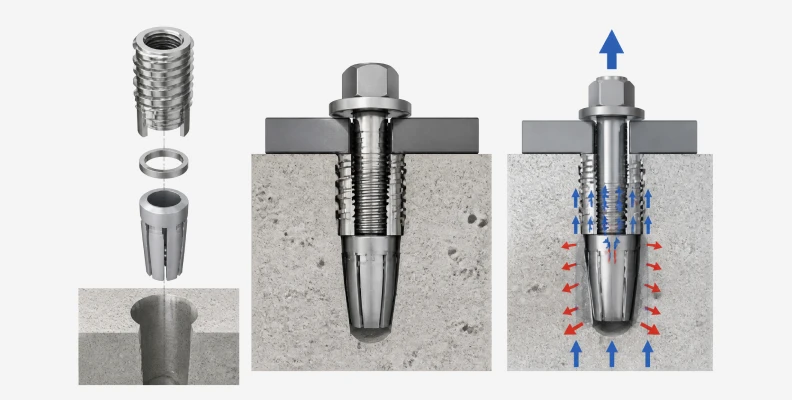
Thread dimensions and load transfer mechanisms
The physical geometry of the internal threads determines how the tensile forces distribute across the anchor body. Metric threads, such as M16, M20, and M24, are standard across heavy construction components. A coarser thread pitch allows for faster bolt insertion on site and resists minor debris interference better than fine threads.
When a high-strength structural bolt is torqued into the insert, the engaged threads transfer the outward pull of the cantilever bracket into the steel body of the socket. The insert then distributes this force deep into the surrounding concrete mass via its enlarged base or cross-bar. The depth of the embedment is mathematically proportional to the required load capacity. Site engineers calculate the exact embedment depth based on the concrete's compressive strength rating and the projected maximum dynamic loads applied by the scaffolding platform.
Concrete threaded inserts: Load capacities and specifications
Procurement teams must match the tensile and shear capacities of the concrete threaded insert to the structural load calculations of the scaffold. These sockets undergo extreme dynamic loading from wind shear, material staging, and worker movement. Standard commercial inserts are manufactured from high-grade carbon steel or low-alloy steel. Sourcing specifications typically focus on the thread diameter, pitch, and the allowable tensile load.
| Specification Model (M×L) | Thread Pitch (mm) | Cross-bar Diameter (mm) | Allowable Tensile Load (kN) |
|---|---|---|---|
| M16 | 2.0 | 10 | 12.9 |
| M20 | 2.5 | 12 | 14.3 |
| M24 | 3.0 | 14 | 19.3 |
Note: Values represent baseline capacities; exact limits depend on the ultimate compressive strength of the cured concrete on site.
Mechanical metallurgy: Forged versus cast anchors
The manufacturing process dictates how the anchor behaves under dynamic loading. Drop-forged steel aligns the metallic grain structure along the load path, yielding high tensile strength and superior fatigue resistance. Cast components, while cheaper to produce, carry the inherent risk of internal blowholes and micro-porosity. Under the heavy cyclic loading of high-rise construction, cast anchors can fail abruptly without plastic deformation. Specifying drop-forged carbon steel or Q355B low-alloy steel ensures the embedded hardware possesses the necessary ductility to stretch slightly under extreme overload, providing a visual warning before structural failure.
Ensuring accuracy with formwork installation bolts
The mechanical capacity of an embedded insert degrades if it shifts during the high-pressure concrete pour. Precise positioning determines whether the heavy steel beams will align horizontally across the building facade. To guarantee accuracy, site workers use a formwork installation bolt.
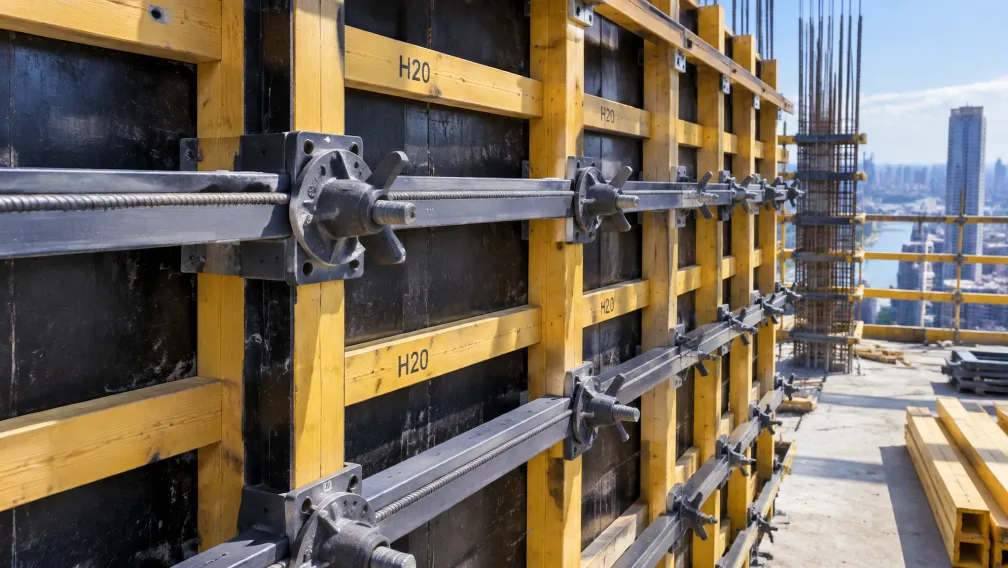
This specialized fastener passes through the timber or steel formwork panel and threads directly into the socket of the insert. It clamps the insert tightly against the inner face of the mold. This holds the anchor completely rigid against the vibration and fluid pressure of the curing concrete. Once the concrete reaches its target strength and the formwork is stripped, the installation bolt is removed, leaving a perfectly clean and accurately positioned threaded hole ready for structural scaffolding bolts.
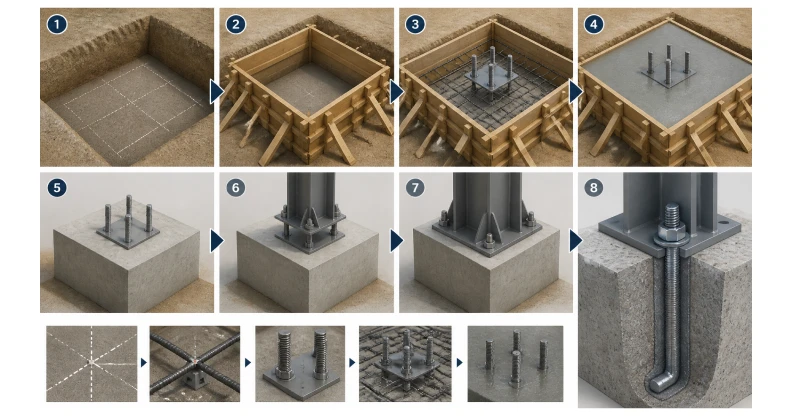
Twin-ear anchors and diagonal tie-rod integration
While the horizontal cantilever I-beam handles the primary base connection, the diagonal tension line requires a different type of anchoring hardware. To secure the upper tie rod, a heavy-duty twin ear anchor is bolted into an upper threaded insert or pre-welded to an embedded steel plate.
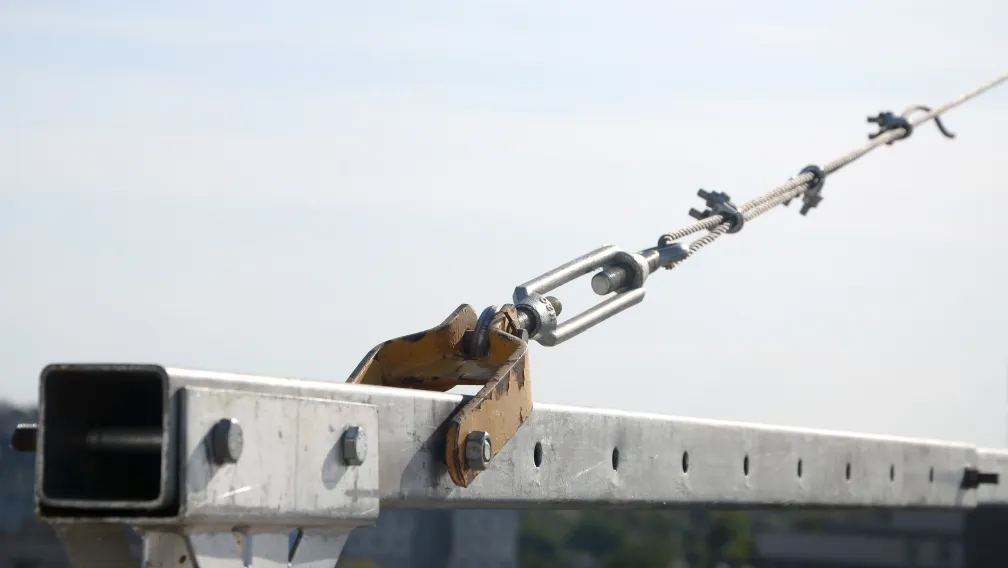
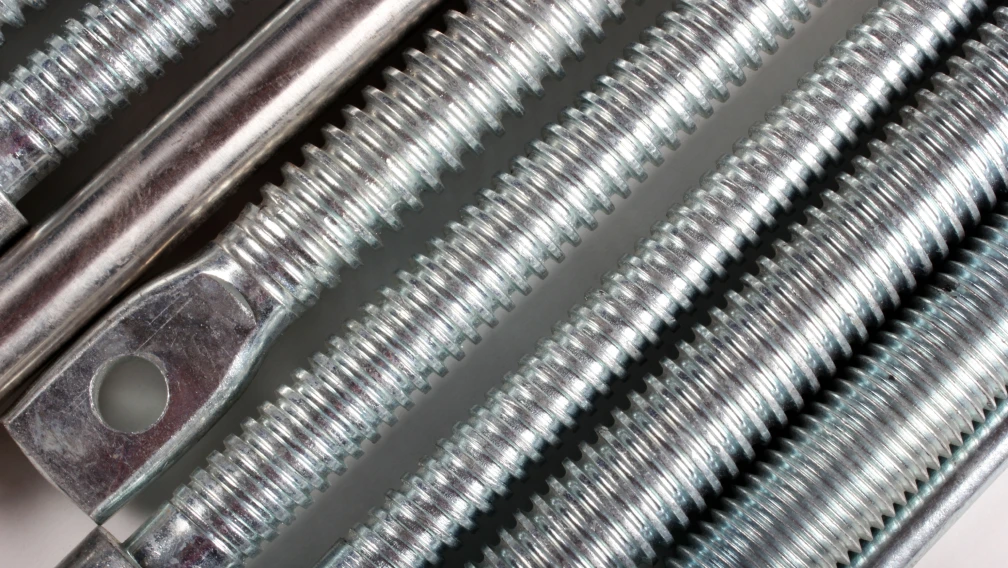
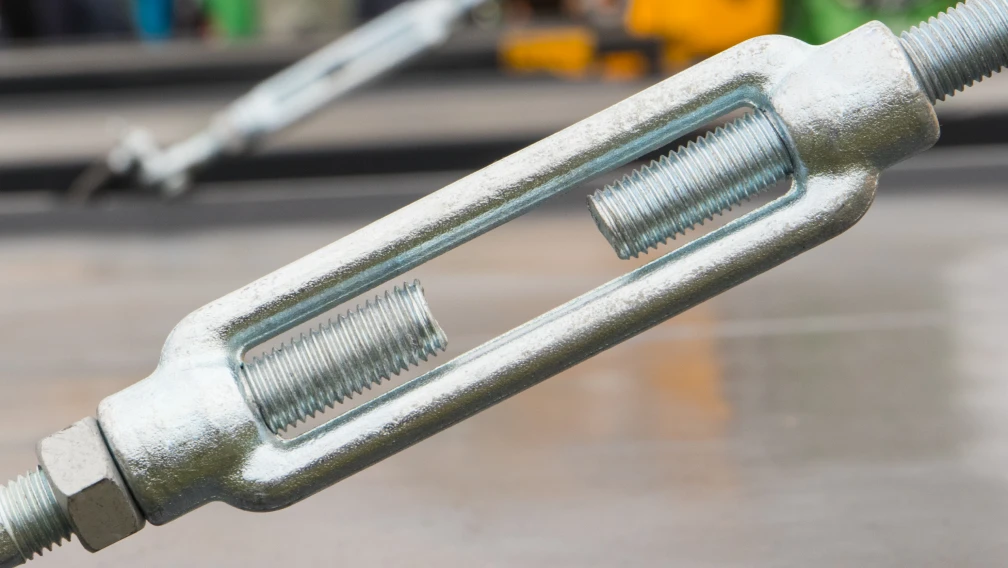
The twin-ear configuration provides a high-capacity clevis joint. A structural pin passes through the ears to secure the eyelet of the tie rod. This setup creates a pivoting connection that handles pure diagonal tension without introducing eccentric bending stresses into the anchor. Site teams then use a closed body turnbuckle integrated into the tie rod to remove slack and pre-tension the assembly, transferring the platform's weight safely into the concrete shear wall.
Integrating with modular scaffolding frameworks
Embedded accessories do not function in isolation; they interface directly with the broader modular scaffolding matrix. The threaded inserts determine the exact starting coordinates for the entire exterior platform. A slight deviation in the anchor placement multiplies over the length of the facade. To combat this, modern pre-fabricated cantilever systems utilize standardized, slotted connection brackets. These brackets bolt into the concrete threaded inserts and provide mechanical tolerances that allow site engineers to adjust the horizontal I-beams into perfect alignment. Once squared, the diagonal bracing and upper tie-rod systems lock the geometric shape in place.
Solving the wall penetration and leakage problem
Traditional scaffolding anchors often required workers to drill large holes entirely through the finished exterior wall, or they left long steel members protruding through the brickwork. When the scaffold was dismantled, these penetration points had to be patched manually. Poor patching frequently led to severe water leakage, compromising the building's thermal envelope and generating expensive defect liabilities for the main contractor.
Modern embedded systems solve this construction defect. The inserts sit flush with the exterior concrete face. When the scaffolding is removed, the threaded holes are simply filled with a commercial waterproofing grout or fitted with threaded sealing caps. This zero-penetration method lowers facade repair costs and accelerates the final handover of the building.
Anti-corrosion treatments for embedded components
Scaffolding equipment operates in harsh outdoor environments, exposing metal parts to constant moisture, temperature fluctuations, and atmospheric chlorides. While the bulk of the concrete threaded insert remains protected inside the alkaline concrete matrix, the exposed face and internal threads are vulnerable to rapid oxidation. Rust accumulation inside the threads causes severe galling, making it impossible to insert or extract the mounting bolts safely. To prevent this, manufacturers apply heavy zinc electroplating or hot-dip galvanizing to the anchor bodies. B2B buyers must specify the exact micron thickness of the zinc coating required for their specific regional climate, ensuring the hardware survives extended project timelines without degrading.
Safety regulations and compliance for embedded anchors
Site engineers must verify that the selected anchoring hardware complies with international load regulations. Standards such as OSHA 1926.451 mandate a 4:1 safety factor for all scaffolding components. This means an embedded insert rated for a working load of 15 kN must theoretically withstand a pull-out force of 60 kN before structural failure.
Achieving this requires not just a strong steel insert, but the correct concrete embedment depth and adequate edge distances. Anchors placed too close to the corner of a concrete slab risk causing a conical shear failure (concrete breakout) in the concrete itself, long before the steel insert yields. Detailed shop drawings and rigorous pre-pour inspections are mandatory to ensure edge distances meet structural engineering specifications.
Pre-pour and post-pour inspection protocols
The integrity of a cantilever setup is decided before the concrete is poured. Site safety managers execute strict pre-pour inspections, verifying that every formwork installation bolt is torqued correctly and that the inserts sit entirely flush against the form panels. Any gap allows cement paste to leak into the threads, destroying the anchor's usability. Post-pour, once the formwork is stripped, workers must physically clear the threads using compressed air and apply a light industrial lubricant before threading in the structural bolts. Cross-threading a heavy bolt into a dry, dusty insert compromises the thread engagement and severely lowers the connection's mechanical capacity.
Procurement guidelines for international B2B buyers
Sourcing embedded scaffolding accessories globally requires strict quality control. Because these parts are permanently cast into the building structure, a mechanical failure cannot be easily replaced. B2B buyers should enforce the following procurement rules:
- Material Traceability: Demand full Mill Test Certificates (MTC) linking the finished product to the raw steel batch.
- Thread Tolerances: Ensure the internal threads are CNC machined to precise metric tolerances so that high-strength structural bolts engage smoothly.
- Surface Protection: Specify heavy galvanizing for the anchor bodies to prevent oxidation during ocean transit and on-site storage.
- Destructive Testing Reports: Request third-party pull-out test data demonstrating the ultimate failure point of the insert design in standard concrete mixes.
Embedment depth, edge distance, and the concrete cone
An embedded insert is only as strong as the concrete holding it, and the geometry of that hold is defined by two numbers buyers rarely see on a datasheet: embedment depth and edge distance. When a tie rod pulls on the anchor, the concrete resists by forming a compression strut that fans out from the insert at roughly 35 degrees, creating the conical shear surface engineers call breakout. Make the embedment shallow and the cone is small, so the concrete fails before the steel approaches its capacity. Place the insert too close to a slab edge or a corner and the cone is truncated on one side, cutting capacity dramatically. Standard practice for cantilever scaffolding anchors in normal-weight structural concrete starts at 150 to 200 mm of embedment, with edge distances of at least 1.5 times the embedment depth and clear spacing between adjacent inserts of three times the depth so neighboring cones do not overlap. These figures shift with concrete grade, and a competent supplier states the assumed concrete class alongside the published load rating, because a capacity measured in C30 concrete means little on a project pouring C25.
Working through the forces on a cantilever anchorage
The loads reaching an embedded insert are larger than intuition suggests, which is why the anchorage deserves its own calculation rather than a rule of thumb. Take a typical residential facade tier: a cantilever I-beam projecting 1.5 m, carrying a 20 m working platform with a load case around 200 kg per square meter. The beam itself bears on the slab edge and is held down by a diagonal scaffold tie rod running back up to the next floor at roughly 45 degrees. Resolving the geometry, the tie rod tension for a mid-size bay commonly lands in the 15 to 25 kN range, and that tension arrives at the upper insert as a combination of vertical uplift and horizontal shear. Add wind suction on the facade, the dynamic factor of workers and materials moving on the platform, and the design working load on a single insert can approach 30 kN. Against that demand, a forged insert rated at 50 kN or more, installed in concrete that has reached its required strength, carries a sensible safety margin. The same arithmetic explains why the 45-degree rod angle matters: dropping to 30 degrees cuts the uplift component of the rod tension and roughly doubles the horizontal pull on the wall connection, which is the direction embedded anchors tolerate least.
The installation sequence that protects the threads
Most insert failures blamed on manufacturing actually originate in the pour, and the difference between a clean installation and a fouled one comes down to sequence discipline. The correct order starts with marking insert positions on the formwork from the scaffolding layout drawing, not from memory on the pour day. Each insert is then clamped to the formwork face with a formwork installation bolt through the panel, tightened until the insert mouth seals against the formwork skin; that seal is what keeps cement paste out of the internal thread while the concrete is vibrated. Reinforcement is checked so no rebar crosses the insert body, the pour proceeds with the vibrator kept off the insert zone, and the formwork bolts are backed out during stripping, leaving the threaded mouth flush and clean in the finished wall. A five-percent spare allowance on inserts covers the occasional unit lost to a shifted pour or a damaged thread, and it costs almost nothing against the schedule damage of discovering a fouled anchor on the day the cantilever beams arrive. Crews that photograph each row of installed inserts before the pour give themselves a record that settles any later dispute about position or quantity.
Failure modes seen on real projects, and the fixes
Four failure patterns account for nearly every anchorage problem reported from high-rise sites. The first is thread fouling, where paste entered the mouth during vibration and cured inside the thread; prevention is the formwork bolt seal, and the remedy is chasing the thread with a tap before any bolt is forced, because a cross-threaded high-tensile bolt fails at a fraction of its rating. The second is misalignment, where inserts drifted off the layout line and the beam connection holes no longer match; slotted connection plates on the beam end absorb small errors, while large ones mean drilling and chemical anchors as a remedial measure. The third is breakout under first load, almost always traceable to loading the anchors before the concrete reached the required strength, or to embedment that was shortened on site to clear rebar. The fix is patience and testing: hold loading until cylinder results confirm 75 percent of design strength, roughly seven days at 20 degrees Celsius for typical mixes, and never let the rebar crew shorten an insert without engineering approval. The fourth is corrosion at the steel-concrete interface on coastal projects, where chloride-laden air attacks the exposed mouth; hot-dip galvanized inserts with grease caps after stripping slow this to a maintenance item instead of a structural one.
Reuse, inspection, and the stripping checklist
Embedded inserts stay in the structure permanently, but everything that bolts to them is reusable, and the condition of the insert mouth decides how smoothly the next floor proceeds. The stripping checklist for each anchor point is short: confirm the bolt threads out cleanly without galling, wire-brush the mouth, gauge the internal thread with a spare bolt by hand rather than force, cap the opening with a plastic or grease plug to keep debris and rainwater out until the next tier, and log any insert that shows cracking or spalling in the surrounding concrete for engineering review before reuse. An insert surrounded by a radial crack pattern has already told you the concrete cone was overstressed, and bolting the next tier to it invites a repeat with worse consequences. Projects that keep this checklist to two minutes per anchor recover it many times over in avoided delays, because discovering a bad anchor during tie-rod tensioning, with the crew waiting aloft, is the most expensive moment to find it.
What to specify when ordering embedded hardware
International buyers comparing quotations for embedded accessories get comparable numbers only when the specification fixes five items. Thread size and length come first, since an M20 insert and an M24 insert look identical in a photo and differ greatly in capacity. Material grade follows, stated as forged Q235B or Q355B with mill certificates available, because cast substitutes mimic the shape at lower strength. The rated working load should be quoted with its assumed concrete class and embedment depth, and the surface treatment specified as self-color, electro-galvanized, or hot-dip galvanized depending on site exposure. Finally, dimensional drawings with tolerances let your engineer verify compatibility with the twin-ear anchors and tie rods already on the project. A supplier who answers these five points promptly and with drawings is demonstrating the quality system behind the product; hesitation on any of them predicts hesitation in the container as well.
Frequently asked questions about embedded anchors
What is the main function of a concrete threaded insert in scaffolding?
It acts as a permanent, high-strength anchor point cast directly into the concrete structure, allowing heavy cantilever scaffolding beams to be bolted to the exterior wall without requiring through-hole drilling.
How do you prevent concrete from filling the threaded insert during the pour?
A formwork installation bolt is used to clamp the insert tight against the formwork panel. This seals the opening and prevents liquid cement paste from fouling the internal threads during vibration and curing.
What steel grades are typically used for embedded scaffolding anchors?
High-capacity structural anchors are usually forged from Q235B or Q355B carbon steel, providing a reliable balance of high tensile strength and the necessary ductility to withstand dynamic shock loads.
Can a twin-ear anchor handle lateral shear forces?
Twin-ear anchors are engineered primarily to handle axial tension from diagonal tie rods. They provide a pivoting pinned connection that ensures forces are transferred smoothly into the concrete without inducing severe eccentric bending or shear.
Why is wall-mounted cantilever scaffolding preferred over traditional deep-insertion beams?
Wall-mounted setups eliminate the need to run long steel beams deep into the interior floor slab. This reduces the total steel tonnage required and allows interior trades, like masonry and flooring, to proceed without disruption.
At what concrete strength can you apply load to an embedded threaded insert?
Structural engineers generally require the surrounding concrete to reach at least 75% of its total design curing strength before any significant scaffolding loads or tie-rod tensions are applied to the embedded anchors.
What causes an embedded anchor to fail before reaching its maximum steel yield strength?
Failure often occurs due to concrete breakout (conical shear failure) rather than the steel snapping. This happens if the embedment depth is too shallow or if the anchor is installed too close to the edge of the concrete slab.
Connect with our engineering team for structural anchors
We manufacture certified scaffolding accessories, heavy-duty cantilever systems, and precision-engineered embedded hardware for high-rise construction. Our production lines supply global contractors with reliable structural connections that meet international safety codes. Submit your project blueprints and load requirements to our team for a detailed technical proposal and wholesale pricing. Visit our contact page to secure your supply chain.
-

Lengge
Cantilever Scaffolding System Manufacturer
Lengge is a China-based factory producing cantilever I-beams, tie rods, couplers, embedded parts and full scaffolding accessories. We supply contractors, wholesalers and rental companies in over 50 countries from our own production facility in Hebei.