LANGUAGE

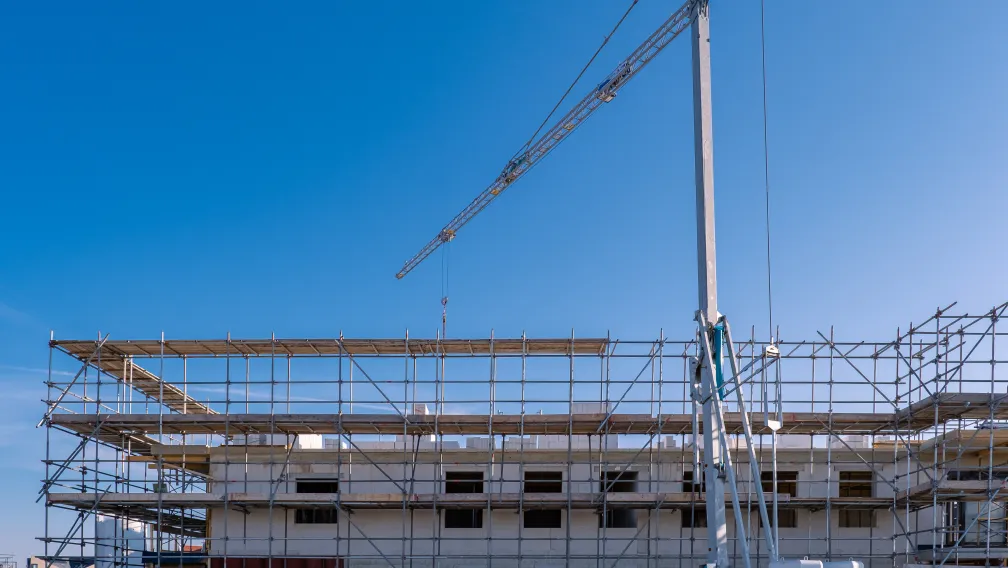
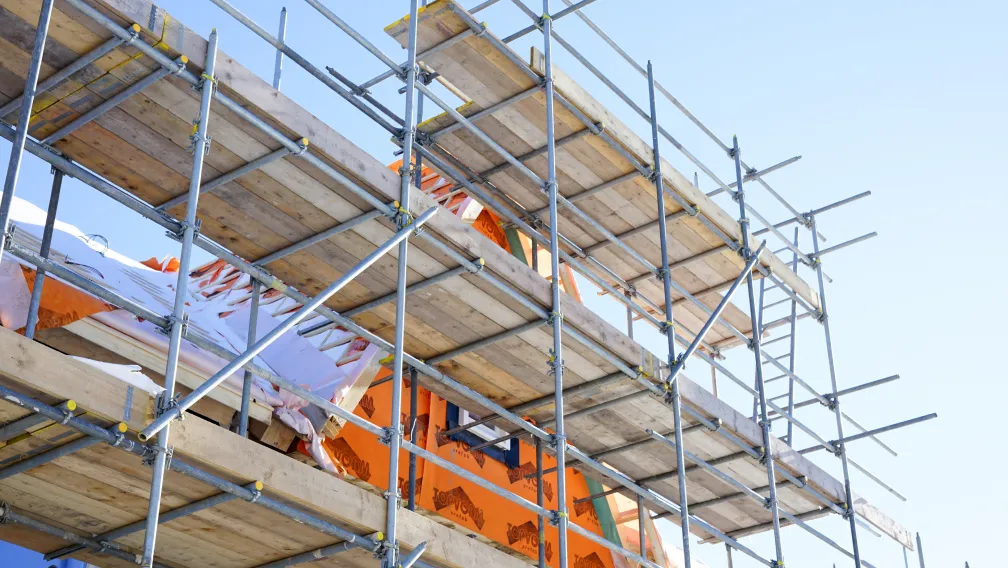
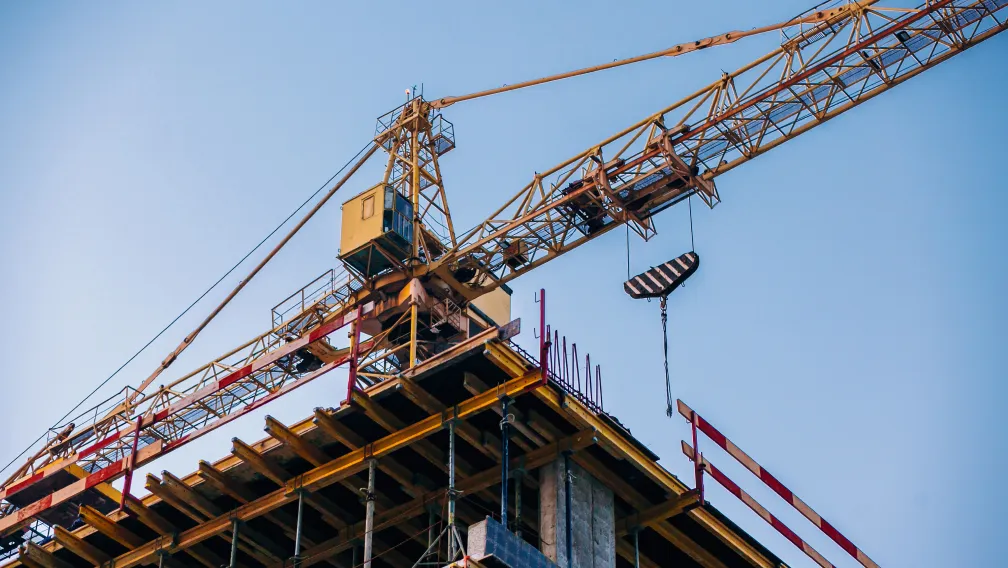
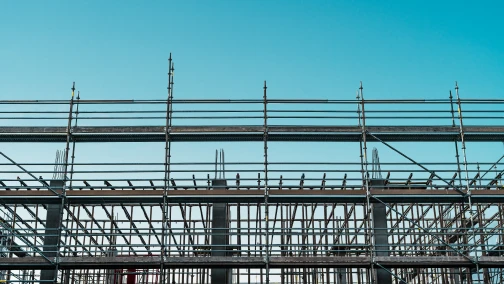
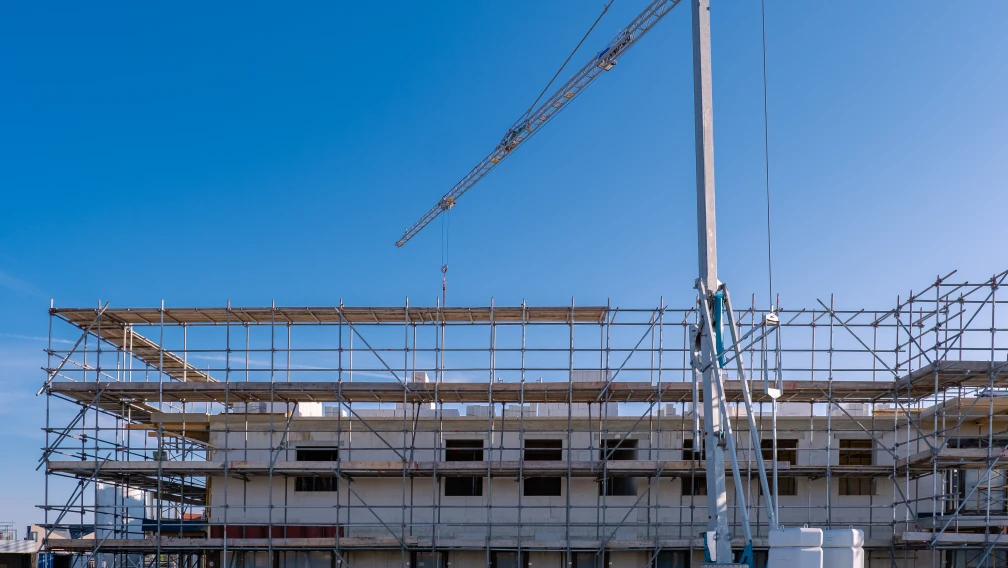
High-rise residential and commercial construction methodologies in 2026 are experiencing a fundamental shift in how temporary loading platforms, exterior safety scaffolding, and heavy outrigger assemblies are anchored to building cores. Civil engineering boards, insurance underwriters, and municipal safety inspectors across major global urban hubs are aggressively tightening structural oversight regarding temporary steel extensions. The historical engineering practice of using uncertified, field-welded steel scraps or basic channels is rapidly declining. In its place, certified, factory-prefabricated cantilever i beam systems engineered for mechanical compliance have become the new global sourcing standard for tier-one contractors.
The regulatory enforcement against high-risk field welding
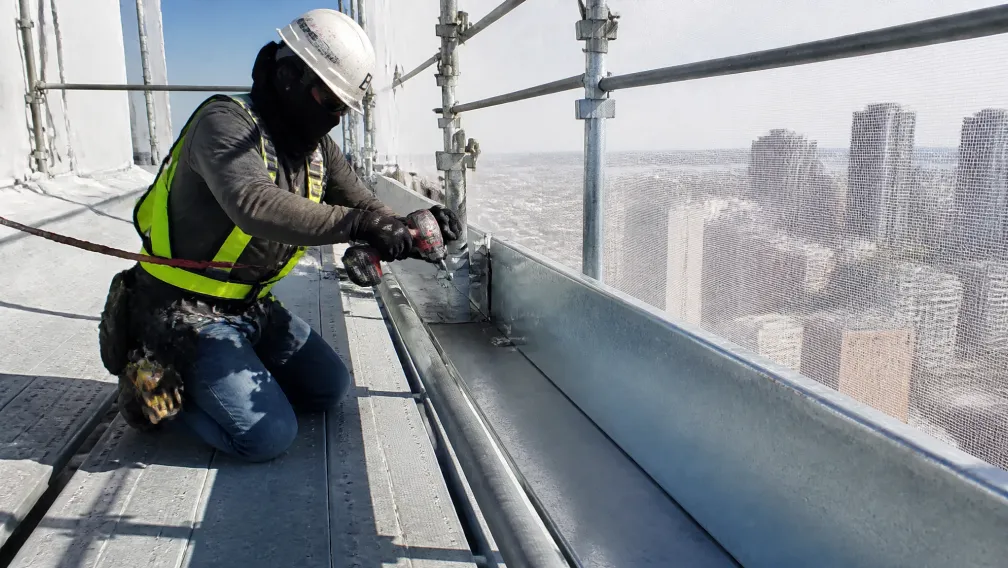
Structural failures during high-rise facade operations are frequently traced back to poor weld quality, internal hydrogen micro-cracks, and uneven stress concentrations on temporary outriggers welded under erratic on-site weather conditions. Updated 2026 enforcement guidelines from regional safety administrations mandate that all structural steel outriggers must either undergo expensive, time-consuming non-destructive testing (NDT), such as ultrasonic or radiographic testing on every single joint, or bypass this project delay entirely by utilizing certified mechanical bolt-on modular configurations. This regulatory pressure is forcing commercial procurement managers to shift budgets away from raw, unmachined structural profiles toward standardized, pre-drilled engineering assemblies directly from certified manufacturing lines to protect project timelines from sudden safety shutdowns.
Engineering strictness on typical steel I-beam sizes and load parameters
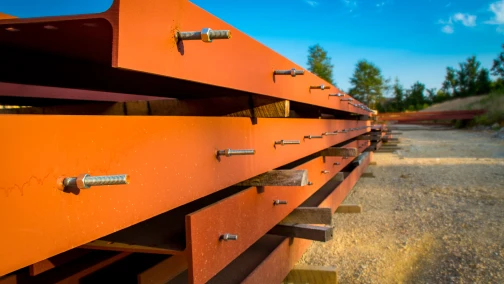
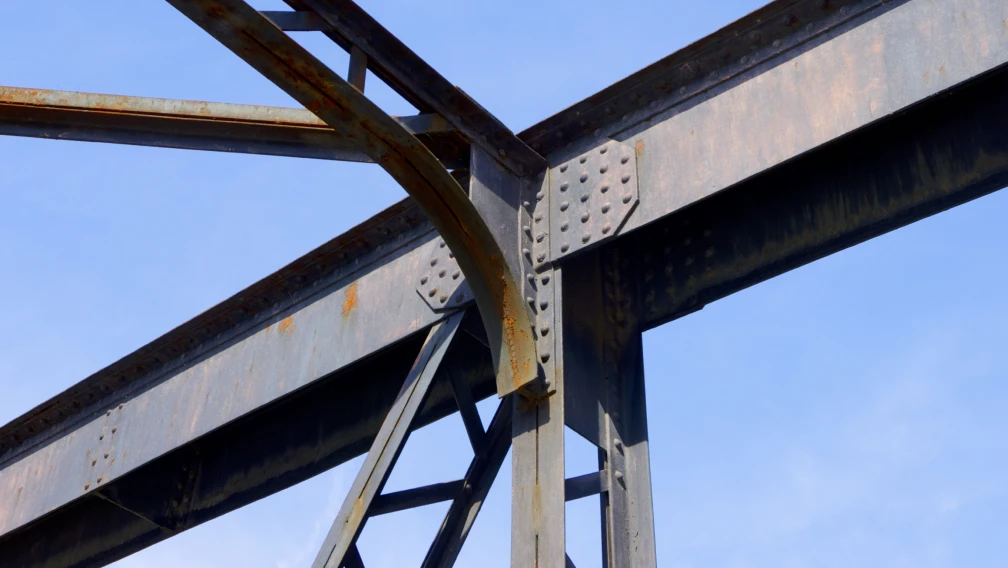
Project design offices are completely eliminating structural guesswork and enforcing rigid calculation baselines regarding typical steel i-beam sizes for construction cantilever layouts. In standard mid-rise residential developments, hot-rolled 16# and 18# I-beams remain the commercial baseline for perimeter safety scaffolding where spans are tight. However, for heavy-duty material staging decks projecting beyond 2 meters from the concrete slab, or where heavy construction masonry loads accumulate, 20b# and 22b# I-beams or heavy-duty h section steel are now legally required to handle the massive bending moments and control vertical deflection profiles under load. The geometric allocation of steel mass along the vertical web and horizontal flanges determines the structural safety factor, requiring strict adherence to standardized mill specifications as shown in the industry benchmark matrix below:
| Standard Profile Size | Section Modulus (Wx) | Moment of Inertia (Ix) | 2026 Global Regulatory Status |
|---|---|---|---|
| Hot-Rolled 16# I-Beam | 141 cm³ | 1130 cm⁴ | Approved strictly for light scaffold support up to 1.5m projection span. |
| Hot-Rolled 18# I-Beam | 178 cm³ | 1660 cm⁴ | Standard clear limit for perimeter debris netting and minor structural brick-laying. |
| Hot-Rolled 20b# I-Beam | 250 cm³ | 2500 cm⁴ | Mandatory baseline for heavy material loading platforms and multi-tier hanging scaffolds. |
| Hot-Rolled 22b# I-Beam | 325 cm³ | 3570 cm⁴ | Specified for high-wind shear zones, tower crane staging decks, and extended spans. |
Mechanical load paths: Tie-rods and micro-deflection management
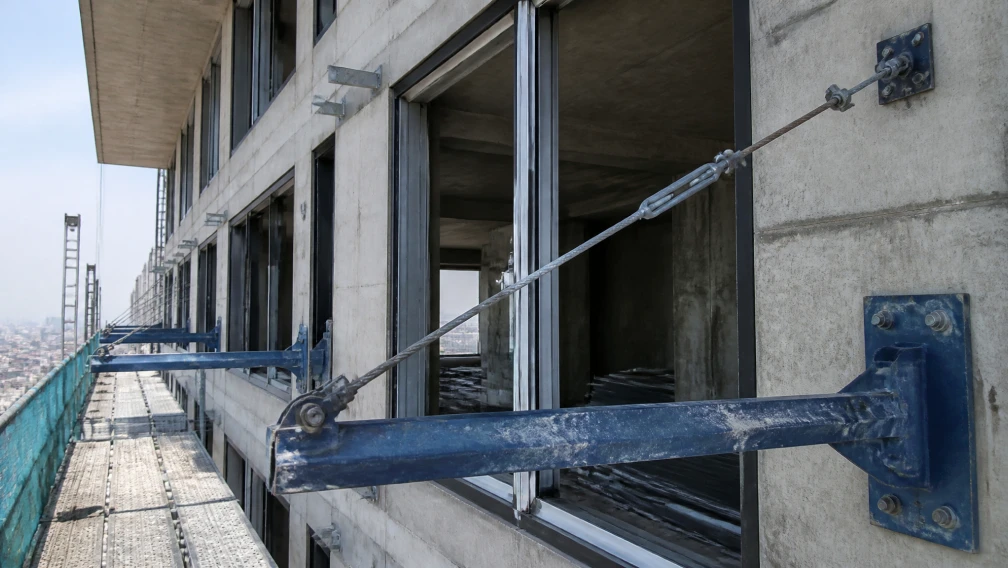
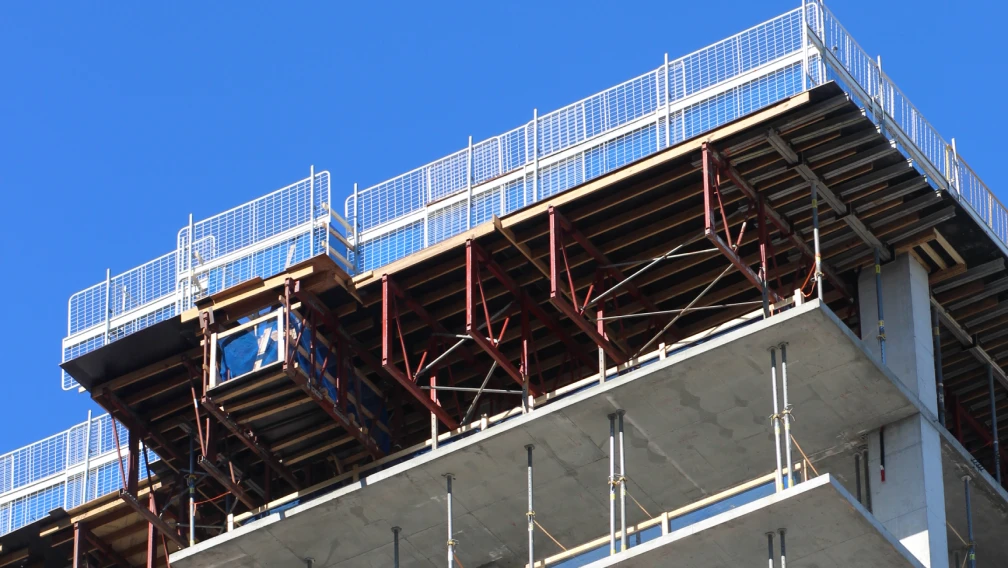
Modern, high-efficiency industrial i-beam cantilever layouts rely on combined mechanical load paths rather than extending deep, cumbersome counterweight members inside the interior building floor. Traditional systems required a 2:1 or 3:1 internal-to-external steel ratio, which severely blocked interior masonry, structural concrete finishing, and drywall crews. By shortening the interior steel section and securing the profile directly to the exterior concrete edge beam via heavy-duty anchor embedded sleeves and structural bolts, contractors completely free up the interior floor space.
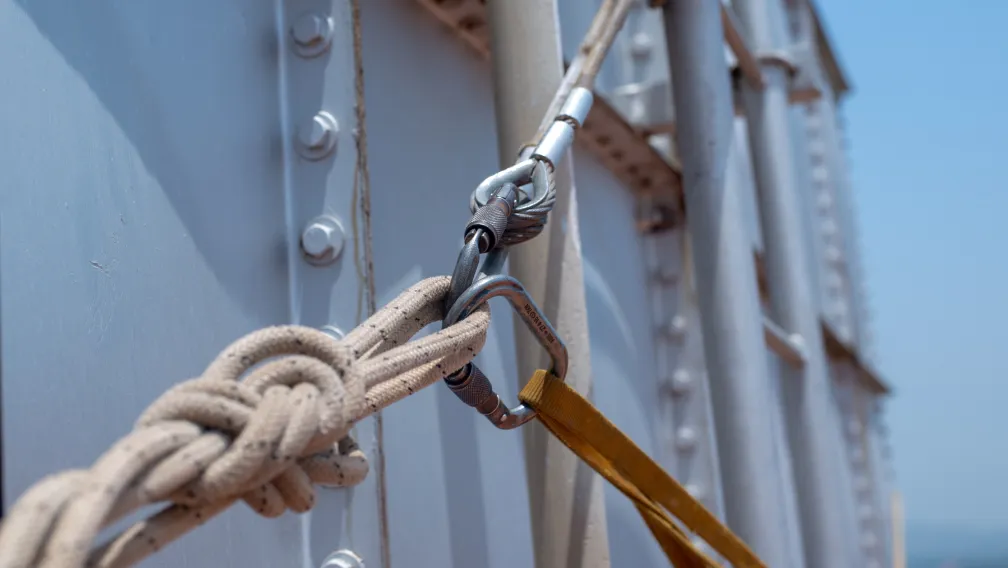
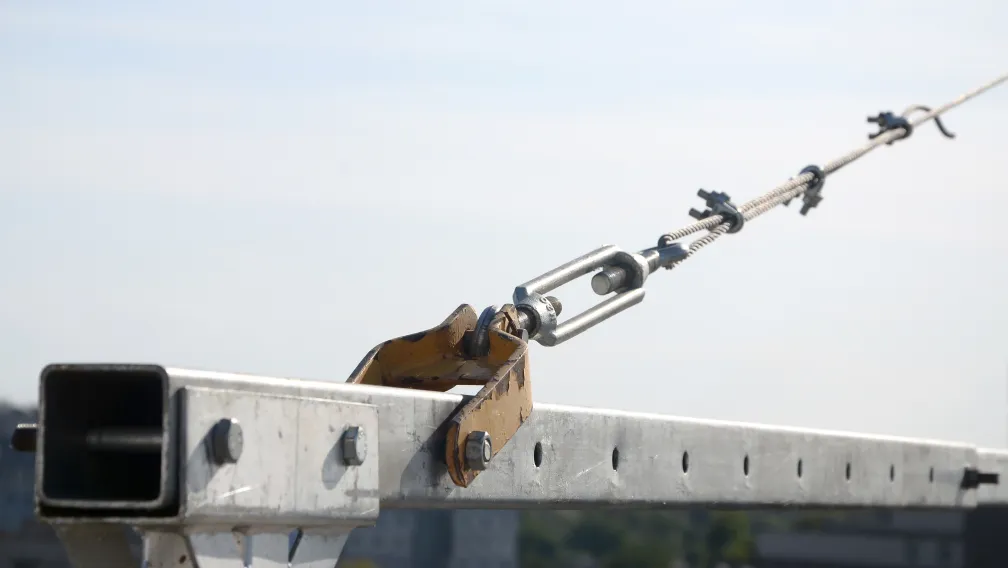
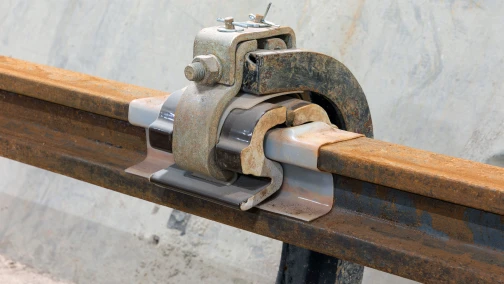
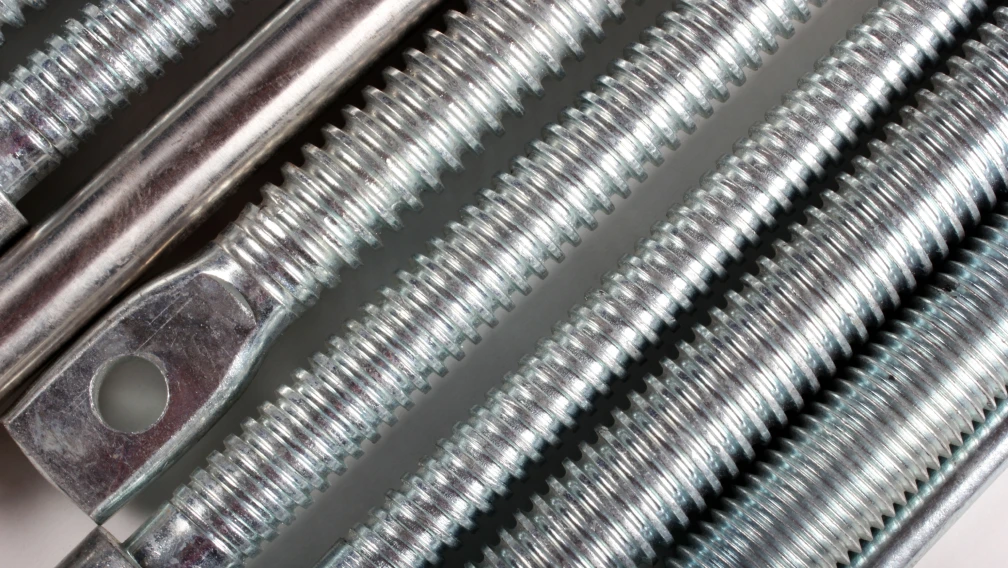
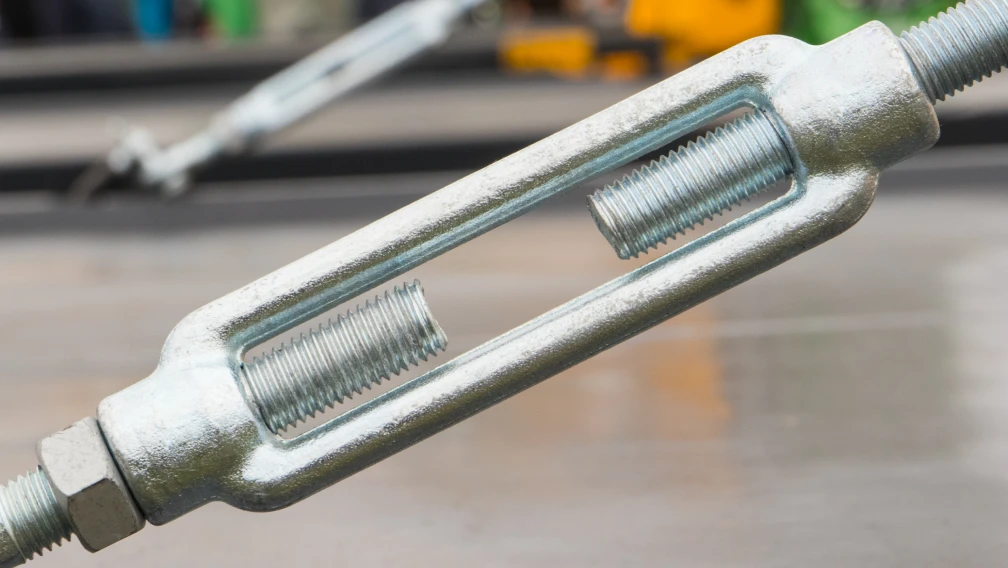
To balance the immense exterior gravity load, high-tensile scaffolding tie rods are attached via a heavy-duty closed-body turnbuckle loop to the reinforced concrete floor directly above. This structural layout allows engineering teams to tension the assembly with extreme accuracy, managing vertical micro-deflection down to exact millimeter tolerances. The turnbuckle allows real-time adjustment on-site if building settlement or dynamic wind loading alters the platform’s horizontal plane, a crucial feature that standard rigid welding could never safely accommodate.
Diversified industrial applications: Expanding into heavy material storage
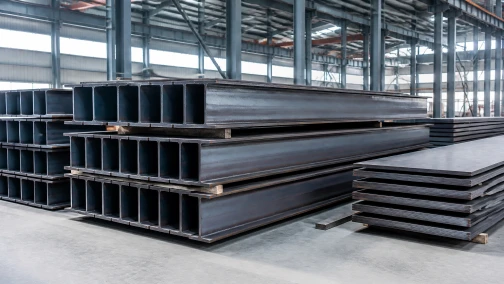
The engineering principles driving the adoption of prefabricated cantilever outriggers in high-rise construction are simultaneously rewriting safety guidelines in the heavy industrial warehousing sector. Beyond temporary facade installations, logistics engineers are increasingly turning to industrial i-beam cantilever setups for handling raw heavy plates, industrial piping matrices, and heavy manufacturing dies. The high yield strength of Q235B and Q355B structural steel profiles provides excellent protection against sudden lateral rotational failure or vertical flange twisting, proving that uniform, factory-controlled steel geometry is vital wherever heavy materials project into open space without vertical ground supports.
Procurement optimization and material compliance rules for global B2B buyers
For global contractors, procurement officers, and industrial distributors importing structural steel equipment from major manufacturing corridors, these updated safety guidelines mean raw material verification is no longer optional. Every structural shipment landed at port must be backed by official Mill Test Certificates (MTC) proving exact chemical composition and mechanical stress compliance with international grades such as ASTM A36, EN 10025, or GB Q355B. Sourcing fully prefabricated assemblies featuring factory-executed CNC bolt holes, certified welding profiles for connection lugs, and premium hot-dip galvanized weather coatings ensures immediate compliance at the job site. This proactive sourcing strategy eliminates local modification errors, completely removes field welding overheads, and significantly increases equipment reuse lifespans over multiple heavy construction cycles, ensuring optimal return on investment for international engineering firms.
Partner with our technical manufacturing team
We manufacture fully engineered cantilever I-beam systems, high-tensile adjustable scaffolding tie rods, and complete turnbuckle anchoring hardware engineered to satisfy strict international building safety regulations. For certified material specification sheets, finite element analysis (FEA) loading calculation reports, or wholesale commercial packaging options tailored to your 2026 high-rise project blueprints, connect with our technical engineering desk via our official contact channel.
-

Lengge
Cantilever Scaffolding System Manufacturer
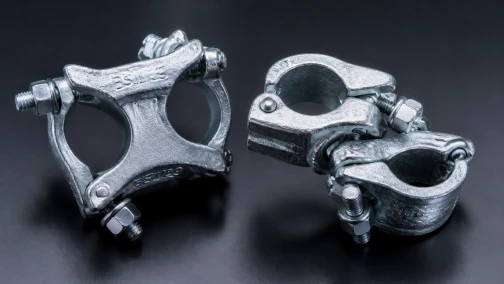
Lengge is a China-based factory producing cantilever I-beams, tie rods, couplers, embedded parts and full scaffolding accessories. We supply contractors, wholesalers and rental companies in over 50 countries from our own production facility in Hebei.