IDIOMA

El desafío de ingeniería de las conexiones entre acero y tubo
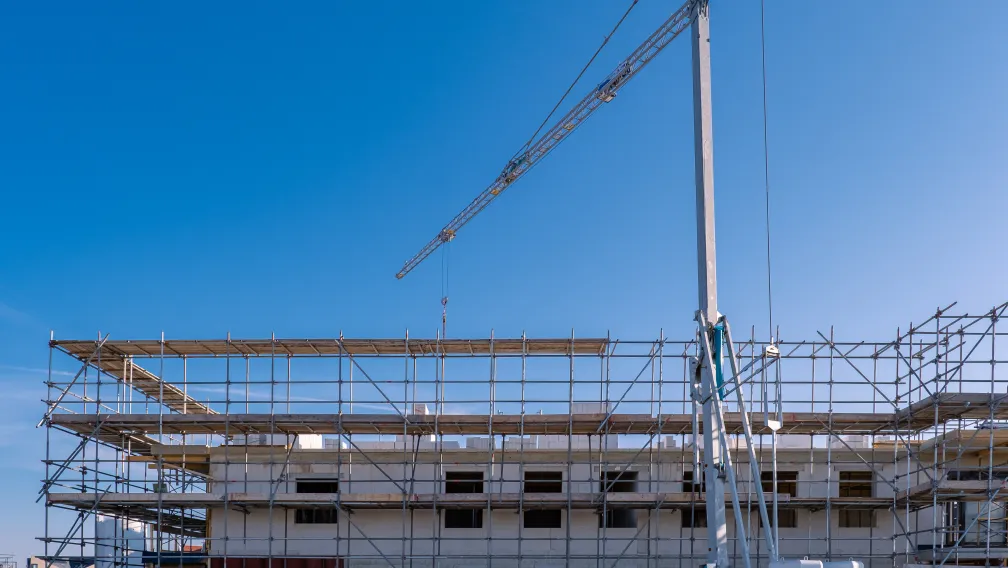
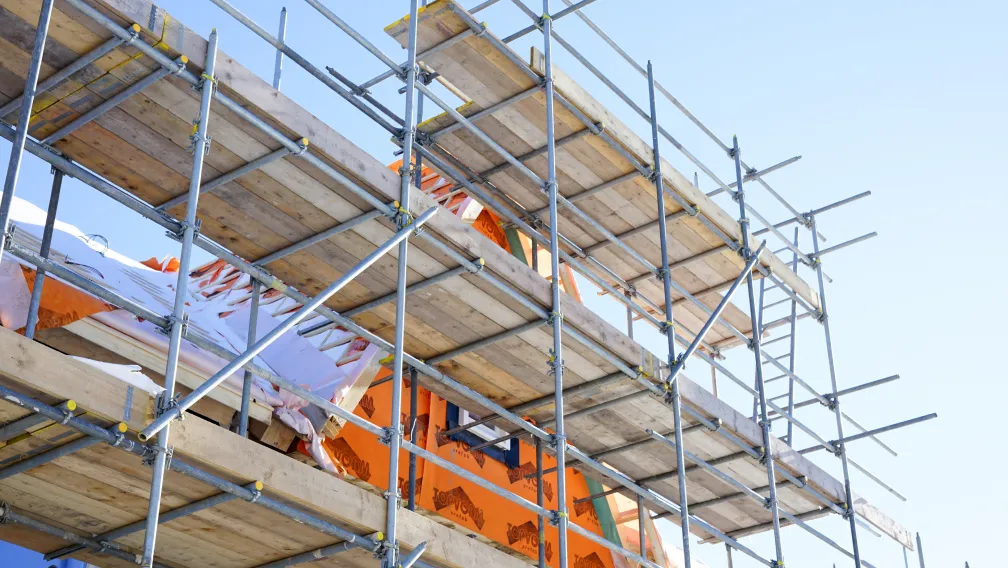
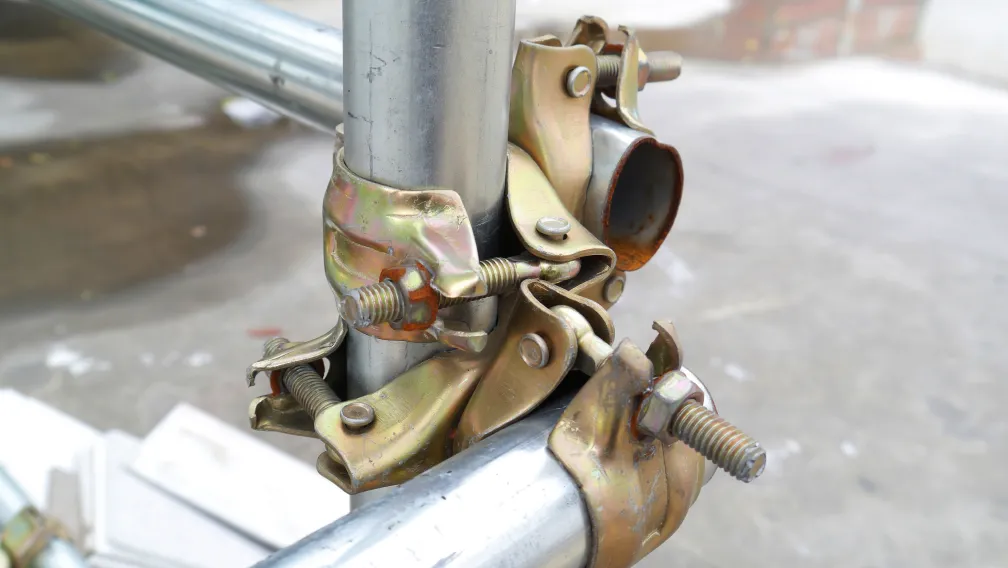
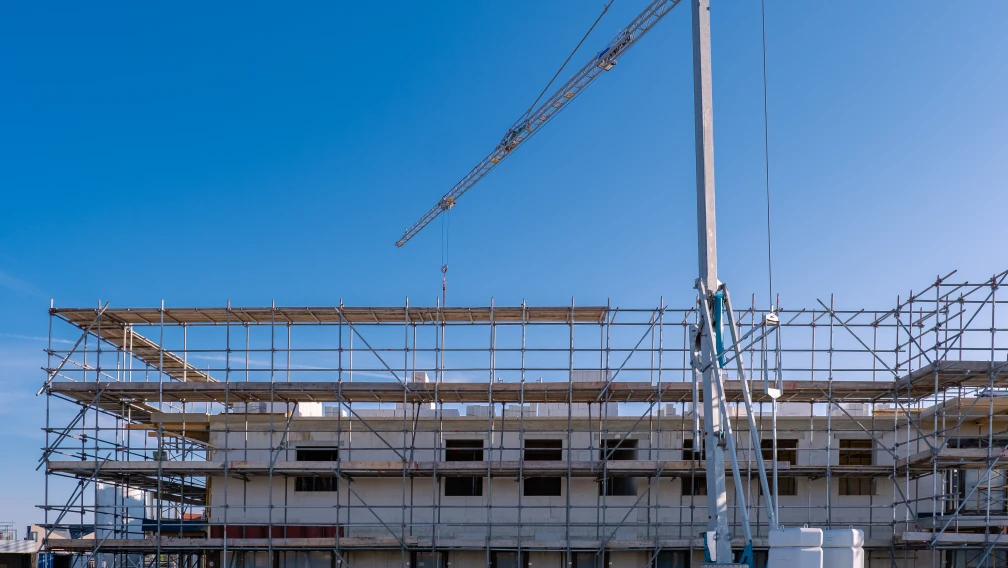
En la construcción de grandes alturas, el mantenimiento de plantas industriales y la reparación de puentes, los contratistas con frecuencia necesitan fijar andamios tubulares temporales directamente a la estructura de acero permanente. La práctica estándar prohíbe soldar soportes temporales a las vigas de carga principales porque el calor extremo altera las propiedades metalúrgicas del acero estructural. Además, taladrar orificios a través de las bridas de una viga I estructural debilita gravemente sus capacidades de tracción y compresión. Los ingenieros de obra resuelven este desafío de conexión mediante el uso de herrajes de fijación por fricción especializados conocidos como una abrazadera para viga de andamio, también llamada comúnmente acoplador de viga o abrazadera SK.
Estos acopladores mecánicos crean un puente seguro y no destructivo entre la brida plana o cónica de una viga de acero y un tubo de andamio estándar de 48,3 mm de diámetro exterior (OD). La integridad física de este nodo dicta la seguridad de toda la estructura de andamiaje suspendida o en voladizo. Un fallo en la conexión de la abrazadera para viga da lugar a un colapso inmediato y catastrófico de la plataforma.
Respuesta Directa: ¿Qué es una abrazadera para viga de andamio?
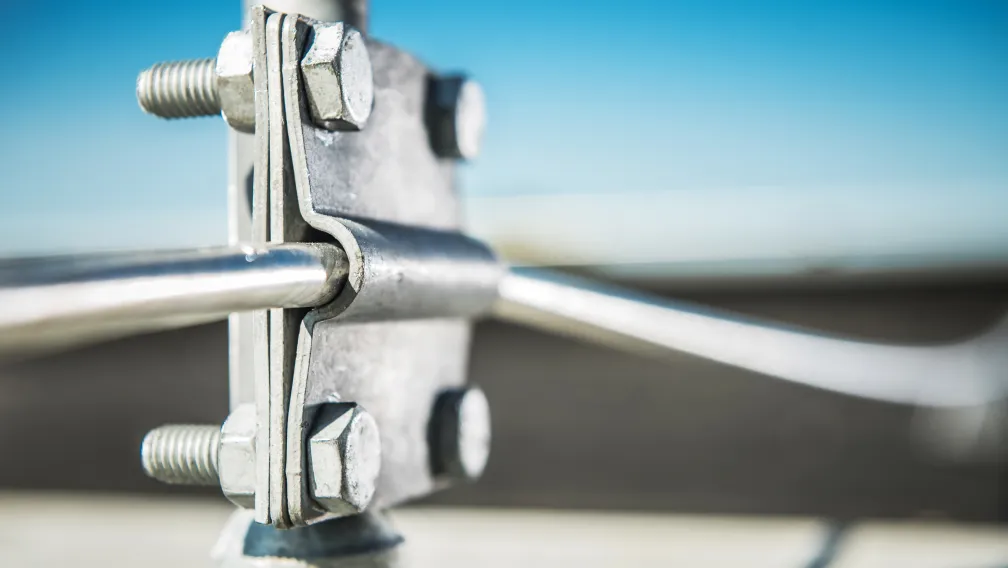
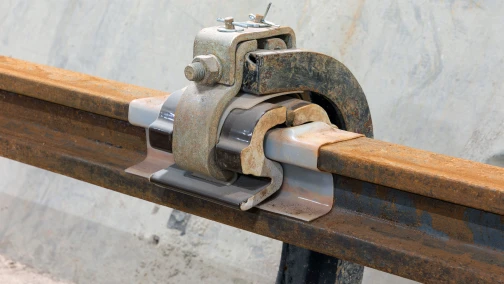
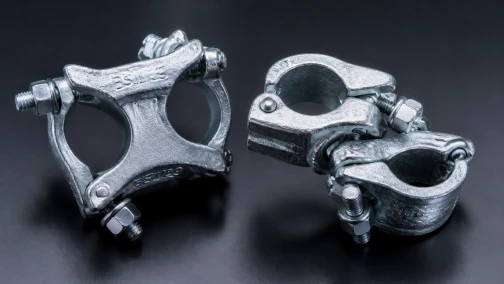
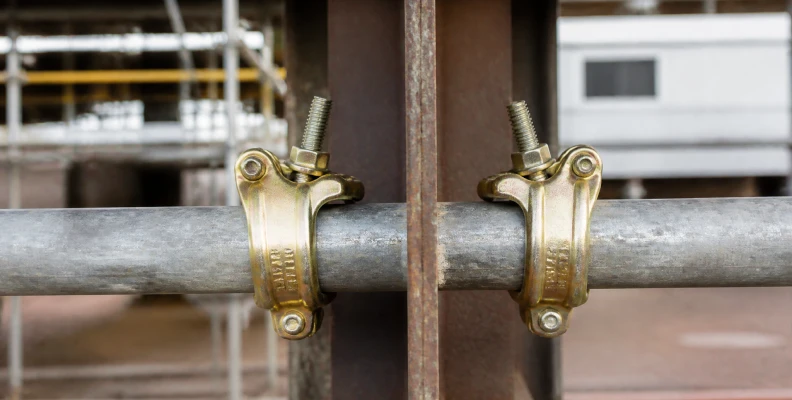
Una abrazadera para viga de andamio (acoplador de viga) es un herraje de acero forjado de alta resistencia diseñado para conectar un tubo de andamio estándar de 48,3 mm a la brida de una viga I o viga H estructural sin necesidad de soldar ni taladrar. La abrazadera cuenta con un cuerpo forjado que se envuelve sobre la brida de acero y una mandíbula atornillada que sujeta el tubo de andamio. Funcionan completamente mediante la fricción y la fuerza de sujeción proporcionadas por pernos en T de alta resistencia Grado 8.8. Para evitar la rotación excéntrica y garantizar la estabilidad estructural, es estrictamente obligatorio utilizar las abrazaderas para vigas en pares opuestos a lo largo de la misma brida de acero.
Diseño mecánico: Por qué el forjado en matriz es obligatorio
Al analizar las vías de fallo mecánico de una conexión de viga, el punto de mayor tensión se concentra en la garganta interior del cuerpo de la abrazadera, el punto exacto donde la abrazadera muerde la brida de acero. Los acopladores de andamio fabricados mediante procesos de fundición básicos poseen una microestructura interna porosa y frágil. Bajo cargas de choque dinámicas o vibraciones intensas de la maquinaria de obra, una abrazadera de hierro fundido puede agrietarse y fallar instantáneamente sin deformación plástica previa.
Para garantizar la seguridad, las normas internacionales (como la EN 74-1 y la BS 1139) exigen que las abrazaderas para vigas de carga se fabriquen mediante forjado en matriz. El proceso de forjado en matriz fuerza el acero al carbono calentado dentro de una matriz moldeada bajo un tonelaje extremo. Esto alinea la estructura del grano metálico del acero a lo largo de las curvas geométricas de la abrazadera, proporcionando una resistencia a la tracción y a la fatiga superiores. Una abrazadera de acero forjado se deformará y estirará visiblemente si se sobrecarga severamente, dando a los inspectores de obra una advertencia visual clara mucho antes de que ocurra el fallo definitivo.
Capacidades de carga y parámetros de resistencia al deslizamiento
Las abrazaderas para vigas de andamio no soportan la carga mediante un enclavamiento mecánico (como un pasador a través de un orificio); dependen completamente de la fricción generada por el par de apriete del perno. Los cálculos de ingeniería deben tener en cuenta la fuerza de resistencia al deslizamiento a lo largo de la brida y la fuerza de extracción perpendicular a la viga.
Bajo los parámetros de ensayo de la norma EN 74-1 para acopladores Clase B, un par de abrazaderas para vigas de alta resistencia debe demostrar una enorme resistencia al deslizamiento. La siguiente tabla describe los parámetros técnicos de ingeniería básicos para un par de acopladores de viga forjados y certificados:
| Parámetro Técnico | Especificación / Capacidad |
|---|---|
| Compatibilidad con Tubo Estándar | Diámetro Exterior (OD) de 48,3 mm |
| Capacidad Máxima de Grosor de Brida | Hasta 45 mm (Según el modelo) |
| Carga de Trabajo Segura (SWL) - Resistencia al Deslizamiento | 30,0 kN (Por Par) |
| Carga de Trabajo Segura (SWL) - Tracción / Extracción | 15,0 kN (Por Par) |
| Grado de Fijación Requerido | Perno en T y Tuerca de Alta Resistencia Grado 8.8 |
Nota: Las cargas de trabajo seguras se calculan asumiendo un par de apriete de instalación correcto sobre acero limpio y seco. La presencia de aceite, pintura fresca o moho pesado en la brida de la viga estructural reduce drásticamente el coeficiente de fricción y disminuye la resistencia real al deslizamiento.
La regla estricta del emparejamiento: Prevenir el fallo rotacional
El error más común y peligroso en el montaje de andamios es intentar asegurar un tubo de andamio utilizando una sola abrazadera para viga en un lado de la brida. Una sola abrazadera proporciona un punto de conexión desequilibrado. Cuando se aplica una carga al tubo de andamio, la fuerza excéntrica crea un enorme momento flector rotacional. Esta fuerza rotacional torcerá e inevitablemente arrancará la abrazadera individual de la brida de acero.
Las abrazaderas para vigas de andamio deben utilizarse exclusivamente en pares opuestos. Una abrazadera sujeta el lado izquierdo de la brida de la viga y la segunda abrazadera sujeta el lado derecho de la misma brida. El tubo de andamio pasa completamente por la parte inferior o superior de la viga, bloqueado en ambas abrazaderas simultáneamente. Esta configuración emparejada neutraliza las fuerzas rotacionales, convirtiendo las cargas dinámicas del andamio puramente en presión descendente y fricción lateral a lo largo de la ancha brida de acero.
Compatibilidad con perfiles H y vigas I estándar
Los responsables de compras deben hacer coincidir el diseño de la abrazadera para viga con la geometría física del acero estructural en la obra. Los proyectos de gran altura utilizan diferentes perfiles de acero que afectan a cómo se asienta la abrazadera contra el metal.
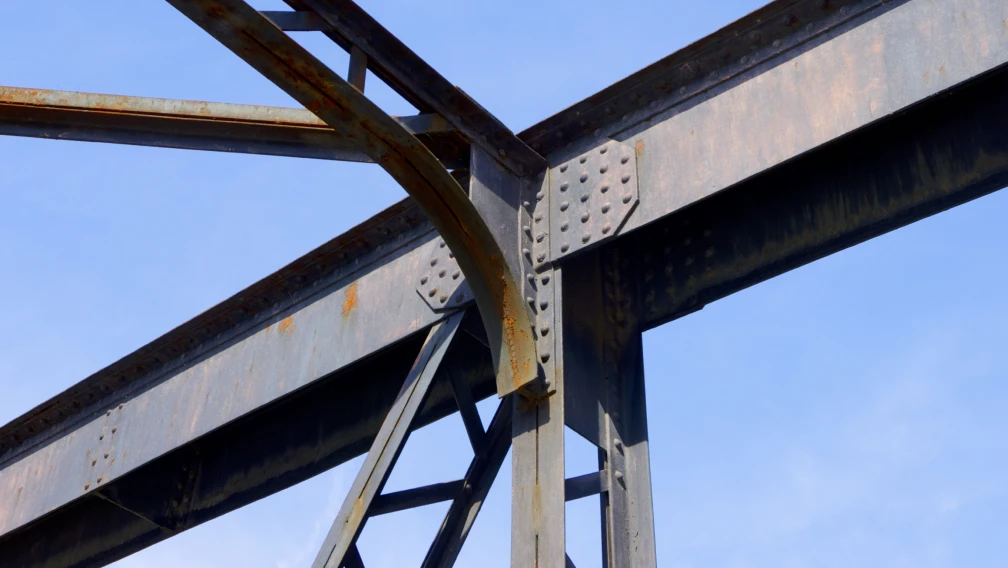
Una viga I en voladizo estándar (como un perfil 16# o 18#) presenta una brida interior cónica. El acero se vuelve más grueso a medida que se acerca al alma vertical central. Las abrazaderas para vigas forjadas de alta resistencia están diseñadas con un ligero radio interno en la mandíbula de agarre para acomodar esta inclinación, garantizando el máximo contacto con la superficie. Por el contrario, los perfiles H de acero modernos presentan bridas completamente planas y paralelas. La mandíbula de un acoplador de viga de calidad se acoplará perfectamente a las bridas planas, proporcionando un agarre seguro y uniforme. Antes de comprar, verifique que la capacidad máxima de apertura de la mandíbula de la abrazadera supere el grosor máximo de brida del elemento de acero más pesado según los planos del proyecto.
Especificaciones de par de apriete e instalación y grados de pernos
Dado que la conexión depende de la fricción, el par de apriete aplicado al perno en T dicta toda la capacidad mecánica del nodo. Las abrazaderas de andamio conformes con la norma EN 74 utilizan pernos de acero de alta resistencia Grado 8.8 y tuercas con valona especializadas. El par de apriete de instalación estándar requerido para una abrazadera para viga de alta resistencia es de 50 Nm (Newton-metros).
Los supervisores de obra deben exigir estrictamente el uso de llaves dinamométricas calibradas en lugar de llaves de impacto neumáticas. Las llaves de impacto superan fácilmente los 100 Nm de par de apriete en cuestión de segundos. Un apriete excesivo estira las roscas del perno en T más allá de su límite elástico, induciendo microfracturas en el acero y arruinando permanentemente la fijación. Por el contrario, un apriete insuficiente deja la conexión vulnerable a vibraciones de microdeslizamiento. Una vez que una abrazadera se desliza aunque sea unos pocos milímetros bajo carga, la energía cinética se dispara, arrancando a menudo todo el conjunto de la brida.
Aplicaciones en configuraciones suspendidas y en voladizo
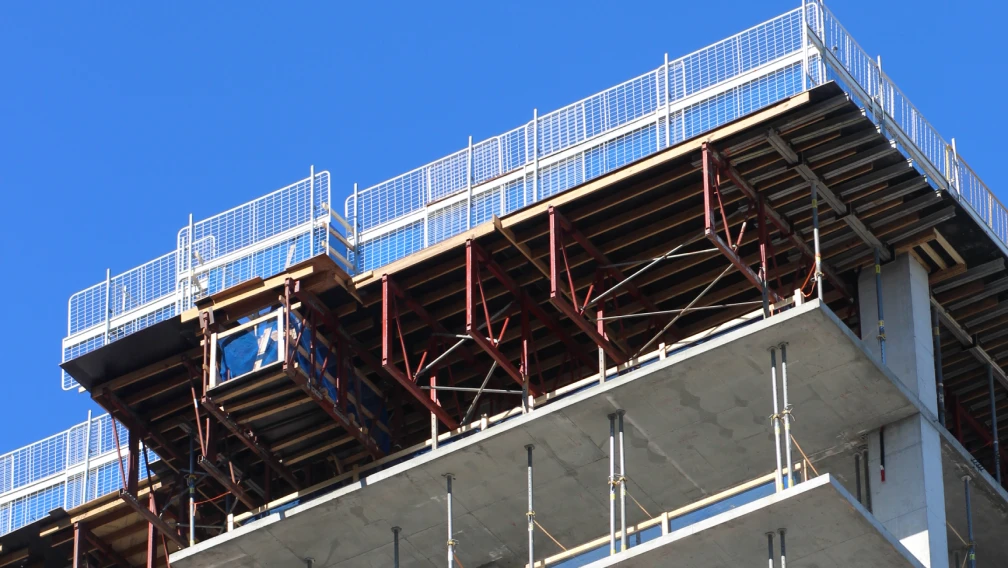
Las abrazaderas para vigas destacan en dos aplicaciones principales de gran altura donde es imposible construir directamente desde el suelo.
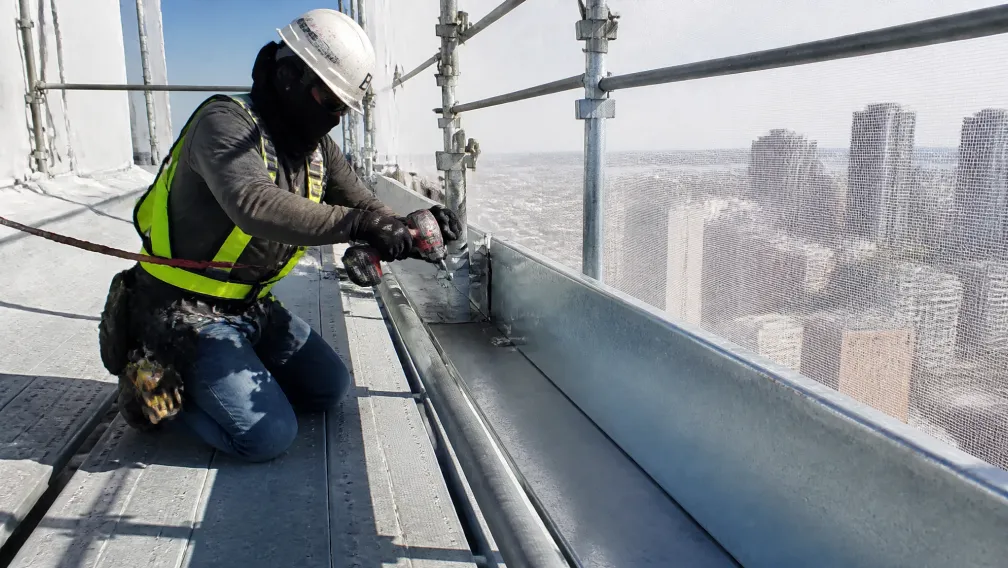
Andamios suspendidos (colgantes): En plataformas petrolíferas marinas, mantenimiento de tableros de puentes y plantas de transferencia en edificios altos, los trabajadores construyen el andamio hacia abajo. Pares de abrazaderas para vigas sujetan la estructura superior de acero estructural, y de ellas se suspenden tubos verticales de andamio. Estos tubos verticales se entrelazan horizontalmente utilizando acopladores dobles para andamios estándar para formar la plataforma de trabajo en el aire.
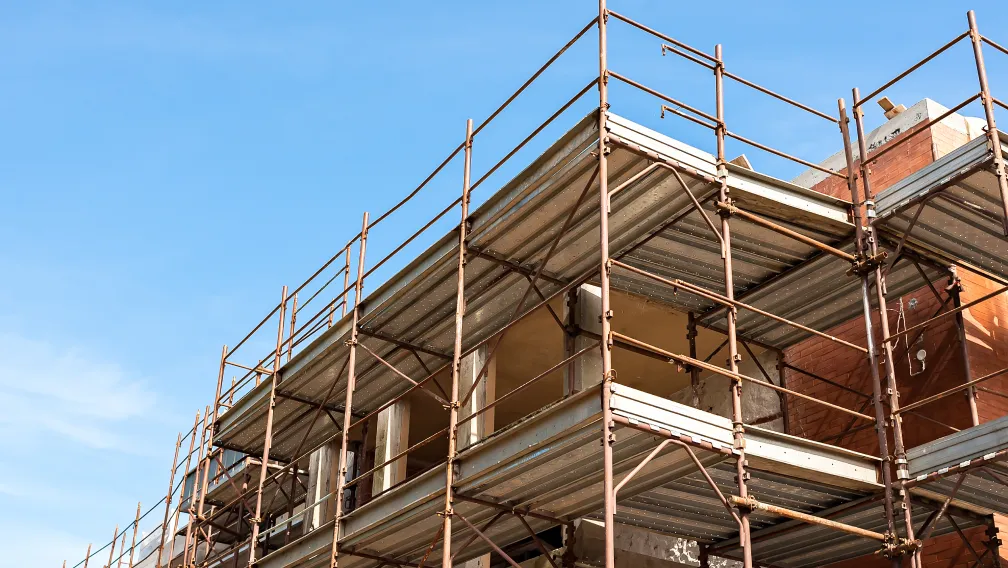
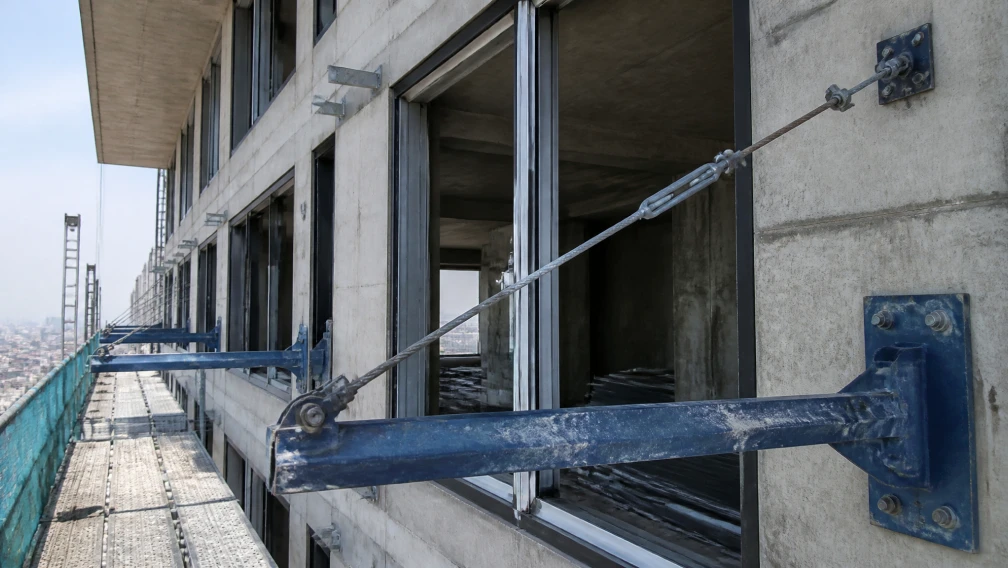
Aseguramiento de la base en voladizo: Al extender plataformas temporales fuera de la ventana o del borde de un edificio, el extremo interior (interior) del tubo en voladizo debe anclarse para evitar que la plataforma vuelque como un balancín. Si se dispone de una viga de forjado estructural interior, los equipos de obra utilizan abrazaderas para vigas para bloquear el extremo del tubo de andamio directamente hacia arriba contra la brida inferior de la viga del forjado permanente, creando un anclaje de contrapeso completamente rígido.
Tratamientos superficiales: Electrozincado vs. HDG
La vida útil de los herrajes de andamio está determinada por su resistencia a la corrosión ambiental. Los entornos de construcción someten los elementos de fijación a polvo de cemento alcalino, abrasión mecánica y humedad constante.
El electrozincado deposita una capa fina de zinc (normalmente de 10 a 15 micras) sobre el acero. Esto proporciona un acabado brillante y estético adecuado para proyectos de interior a corto plazo o climas secos. Sin embargo, para construcciones exteriores exigentes, entornos costeros o paradas de mantenimiento en plantas industriales pesadas, la galvanización en caliente (HDG) es obligatoria. El proceso HDG sumerge la abrazadera forjada en zinc fundido, creando una capa gruesa (más de 60 micras) de aleación de zinc e hierro unida metalúrgicamente. Este recubrimiento pesado absorbe los impactos físicos del manejo rudo y proporciona décadas de prevención contra el óxido, garantizando que las roscas del perno en T permanezcan girando libremente durante múltiples ciclos de vida del proyecto.
Pautas de compra para compradores B2B internacionales
Comprar conexiones de andamio de carga basándose únicamente en el precio más bajo por pieza introduce una responsabilidad extrema para una empresa de ingeniería. Los compradores B2B que importan acopladores de andamio deben aplicar estrictos controles de documentación y calidad durante el proceso de compra.
- Especificar la norma: Las órdenes de compra deben indicar explícitamente el cumplimiento de la norma EN 74-1 Clase B o BS 1139.
- Exigir verificación de forjado: Solicite vídeos de fábrica o certificaciones que demuestren que los cuerpos y las tapas son de acero al carbono forjado en matriz, no de hierro fundido ni de chapa estampada.
- Verificar la calidad de la fijación: Los pernos en T y las tuercas deben estar marcados con '8.8', indicando el grado de alta resistencia. Los pernos de grado inferior (como el 4.8) se trasroscarán bajo el par de apriete requerido de 50 Nm.
- Solicitar ensayos independientes: Los proveedores deben proporcionar informes de ensayos de destrucción de laboratorios independientes que muestren los puntos críticos de fallo por deslizamiento y extracción del lote exacto que se está comprando.
Geometría de la mordaza y la ventana de espesor de ala
Cada abrazadera de viga se construye alrededor de una ventana de mordaza, y ajustar esa ventana al acero de su proyecto es el primer punto de verificación que los compradores omiten bajo su propio riesgo. Los acopladores de viga estándar aceptan espesores de ala desde unos 8 mm hasta 40 mm, pero la geometría de la mordaza difiere entre los modelos pensados para secciones de alas paralelas y los cortados para las alas inclinadas de los perfiles de viguetas más antiguos. Una abrazadera diseñada para alas paralelas asentada sobre una viga inclinada contacta el acero en una arista en lugar de toda la cara de la mordaza, concentrando la fuerza de apriete en una línea que puede deslizar bajo vibración. La verificación práctica lleva diez minutos: mida el espesor del ala y el ángulo de inclinación de las vigas de su proyecto, y confírmelo contra el plano de mordaza del proveedor antes de pedir. Para el perfil H de acero pesado habitual en los marcos de soporte de andamios suspendidos, confirme que la abertura de la mordaza libra también el ancho del ala, porque una abrazadera que encaja el espesor pero toca fondo en el alma nunca alcanza su agarre nominal.
La física de la resistencia al deslizamiento
Una abrazadera de viga sujeta por fricción, y la fricción se fabrica, no se supone. La fuerza de apriete generada al apretar el perno en T de grado 8.8 a 50 Nm presiona las caras dentadas de la mordaza contra el acero del ala, y el coeficiente de fricción entre esas estrías y la superficie del ala produce la resistencia al deslizamiento que EN 74-1 verifica en 6,1 kN para la Clase A y 9,1 kN para la Clase B. Tres realidades de obra degradan esta cadena. La pintura o la cascarilla de laminación sobre el ala actúan como capa de deslizamiento, por lo que las abrazaderas pertenecen a acero desnudo y limpio. La vibración del vertido de hormigón afloja los pernos en cuestión de días, razón por la cual las verificaciones de par entran en la rutina semanal de inspección en aplicaciones suspendidas. Y las estrías se desgastan lisas a lo largo de docenas de instalaciones en servicio de alquiler, erosionando silenciosamente la capacidad de deslizamiento mientras la abrazadera aún parece útil. Los gestores de flota que calibran la profundidad de las estrías durante el mantenimiento detectan el tercer modo de fallo antes de que llegue a una fachada; los compradores que evalúan equipos usados deben tratar las estrías gastadas como un punto de negociación de precio, ya que remecanizar mordazas rara vez es económico.
Trayectorias de carga en aplicaciones suspendidas y en voladizo
La abrazadera de viga demuestra su valor en dos configuraciones que la cargan de forma diferente, y confundirlas sustenta la mayoría de los errores de campo. En el andamiaje suspendido, pares de abrazaderas agarran una viga estructural superior y cuelgan la plataforma de trabajo por debajo sobre tubos, poniendo las mordazas en separación directa por tracción; aquí la carga de trabajo segura nominal por par, típicamente 30 kN para herrajes de Clase B, gobierna directamente, y la práctica de aparejo exige retención secundaria independiente para que el fallo de una sola abrazadera no pueda dejar caer la plataforma. En configuraciones en voladizo, las abrazaderas atan tubos horizontales a las alas de las viguetas en voladizo, cargando las mordazas en una combinación de cortante y apalancamiento que alcanza su máximo cuando los trabajadores se paran en el borde de la plataforma. Ambas configuraciones comparten una regla: la carga debe entrar en la abrazadera a lo largo de su eje diseñado. Cargar lateralmente un acoplador de viga con un tubo que corre en ángulo respecto a la mordaza convierte una conexión por fricción en una palanca, y la capacidad nominal impresa en el certificado deja silenciosamente de aplicar.
Ciclos de inspección para abrazaderas en servicio
Una abrazadera de viga es un dispositivo mecánico con piezas que se desgastan, y tratarla como herraje permanente es la forma en que se programan los accidentes. El ritmo de inspección en el que convergen flotas de alquiler y reguladores de seguridad tiene tres niveles. Antes de cada instalación, el instalador revisa las roscas de los pernos por estiramiento, las mordazas por desgaste de estrías y el cuerpo por fisuras en la línea de partición de la forja, un pase de treinta segundos que detecta la mayoría de los defectos. Semanalmente en aplicaciones suspendidas, una persona competente reverifica el par de los pernos con una llave calibrada, porque la relajación por vibración es predecible y no excepcional. Entre proyectos, cada abrazadera recibe un desmontaje completo: pernos y tuercas calibrados contra herraje nuevo, cuerpos verificados por apertura permanente de mordaza con un calibre simple de pasa/no-pasa, y cualquier unidad que muestre deformación condenada en el acto. Las abrazaderas que han sobrevivido una sobrecarga documentada o una carga caída merecen retiro independientemente de su apariencia, ya que las fisuras de forja que crecerán bajo fatiga son invisibles a la vista. Los registros importan aquí; una fecha de inspección pintada en cada abrazadera, renovada en cada desmontaje, convierte el programa de mantenimiento de intención en evidencia.
Patrones de mal uso que las auditorías de obra siguen encontrando
Los hallazgos de auditoría sobre abrazaderas de viga se repiten entre proyectos con notable consistencia. El error de la abrazadera única encabeza la lista: una sola abrazadera sosteniendo un tubo crea un pivote excéntrico que rota bajo carga, razón por la cual las normas insisten en abrazaderas emparejadas para cualquier conexión portante. Las barras alargadoras vienen en segundo lugar, donde los instaladores extienden la llave para compensar roscas corroídas, sobreapretando el perno más allá de su rango elástico y estirándolo permanentemente; la respuesta correcta a una tuerca dura es lubricante de rosca o herraje de reemplazo, no más palanca. Tercero está el desajuste de ala, abrazaderas colgadas sobre alas demasiado delgadas para el rango de la mordaza, donde el perno se queda sin recorrido antes de desarrollar la fuerza de apriete completa. Cuarto están los conjuntos de herraje mezclado, donde pernos de un fabricante se encuentran con cuerpos de otro y las tolerancias de rosca se acumulan en un ajuste flojo. Cada uno de estos patrones es barato de prevenir en la charla de seguridad y caro de descubrir en una investigación de colapso de andamio, razón por la cual las especificaciones de compra exigen cada vez más instrucciones de instalación del proveedor dentro del contenedor de envío, y no solo en un sitio web.
Cómo redactar la especificación de compra para acopladores de viga
Los compradores que comparan cotizaciones de abrazaderas de viga obtienen ofertas comparables solo cuando la especificación fija las variables que la producción barata relaja silenciosamente. Declare la norma primero: EN 74-1 Clase B, con el ensayo de deslizamiento a 9,1 kN documentado por certificado de terceros en lugar de autodeclaración de fábrica. Fije el material como acero al carbono forjado en matriz con el número de matriz de forja rastreable a los registros de lote, y nombre el grado del perno como 8.8 con zincado del espesor en micras declarado. Defina el rango de la mordaza por los espesores de ala del acero real de su proyecto, y exija que el proveedor confirme la compatibilidad por escrito contra su despiece de vigas. Añada una cláusula de muestreo que le dé derecho a ensayos destructivos sobre una unidad aleatoria por cada quinientas entregadas, con el fallo a carga nominal como motivo de rechazo del lote. Los proveedores cómodos con estos términos le están diciendo que su producción es estable; los proveedores que los negocian a la baja le están diciendo algo más útil que cualquier lista de precios.
Preguntas frecuentes
¿Cuál es la carga de trabajo segura para un par de abrazaderas para vigas de andamio?
Bajo las especificaciones estándar EN 74-1 Clase B, un par de abrazaderas para vigas forjadas de alta resistencia tiene una carga de trabajo segura (SWL) para resistencia al deslizamiento de 30,0 kN, y una SWL de tracción (extracción) de 15,0 kN, asumiendo un par de apriete correcto sobre acero limpio.
¿Puedo usar una sola abrazadera para viga de andamio para sujetar un tubo?
No. Nunca debe utilizar una sola abrazadera para viga para asegurar un tubo de andamio de carga. Una sola abrazadera crea un momento flector excéntrico severo que provocará un fallo rotacional y deslizamiento. Siempre deben utilizarse en pares opuestos a través de la misma brida de acero.
¿Por qué las abrazaderas para vigas de andamio deben ser forjadas en matriz en lugar de fundidas?
El forjado en matriz alinea la estructura del grano del acero al carbono, proporcionando una resistencia a la tracción, ductilidad y resistencia a la fatiga superiores. Las abrazaderas fundidas tienen una microestructura porosa y frágil que puede romperse de inmediato sin previo aviso bajo las cargas de choque dinámicas de una obra.
¿Cuál es el par de apriete correcto para una abrazadera para viga de andamio?
El par de apriete de instalación estándar requerido para los pernos en T Grado 8.8 en una abrazadera para viga de andamio es de 50 Nm. Se desaconseja encarecidamente el uso de llaves de impacto neumáticas, ya que sobrepasan fácilmente el par de apriete del perno, estirando las roscas y dañando permanentemente la conexión.
¿Se pueden utilizar abrazaderas para vigas de andamio en vigas I cónicas?
Sí. Las abrazaderas para vigas forjadas de alta calidad están diseñadas con una mandíbula interior con un ángulo específico que puede sujetar con seguridad las bridas planas y paralelas de una viga H, así como las bridas interiores ligeramente inclinadas o cónicas de una viga I tradicional laminada en caliente.
¿Cuál es la diferencia entre abrazaderas para vigas electrogalvanizadas y galvanizadas en caliente?
El electrogalvanizado deja una fina capa de zinc (10-15 micras) adecuada para uso en interiores o ambientes secos. La galvanización en caliente (HDG) crea un recubrimiento de aleación grueso y unido metalúrgicamente (más de 60 micras) que proporciona la protección pesada contra el óxido necesaria para entornos costeros y exposición exterior a largo plazo.
¿Cómo me aseguro de que la abrazadera para viga se ajuste a mi acero estructural?
Debe verificar la especificación de apertura máxima de la mandíbula de la abrazadera con respecto al grosor máximo de la brida de la viga de acero estructural en sus planos. Las abrazaderas estándar para vigas suelen admitir grosores de brida de hasta 45 mm, y ambas deben utilizarse con un tubo de andamio estándar de 48,3 mm de diámetro exterior.
Conecte con nuestro equipo de ingeniería para obtener componentes certificados
Lengge Steel fabrica una gama completa de herrajes de andamio certificados, incluyendo abrazaderas para vigas de andamio forjadas, acopladores dobles y perfiles de acero estructural de alta resistencia. Suministramos a contratistas internacionales y empresas de alquiler de andamios conexiones totalmente trazables y conformes con la norma EN 74, diseñadas para la máxima seguridad en la obra. Envíe las especificaciones de sus tubos, requisitos de grosor de brida y tratamientos superficiales deseados a nuestro equipo. Proporcionamos documentación certificada de ensayos de tracción y precios por volumen al por mayor altamente competitivos. Visite nuestra página de contacto para asegurar su inventario de andamios de alta resistencia hoy mismo.
-

Lengge
Fabricante de sistemas de andamios en voladizo
Lengge es una fábrica con sede en China que produce vigas I para andamios en voladizo, tirantes, conectores, piezas empotradas y accesorios completos de andamios. Suministramos a contratistas, mayoristas y empresas de alquiler en más de 50 países desde nuestras instalaciones de producción en Hebei.