IDIOMA

El papel crítico de los accesorios embebidos en el andamiaje de gran altura
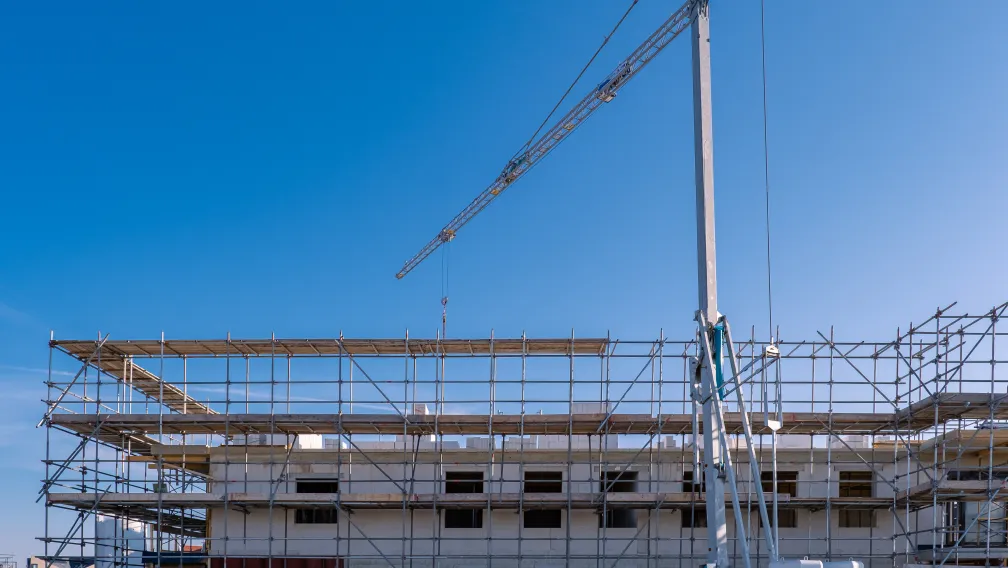
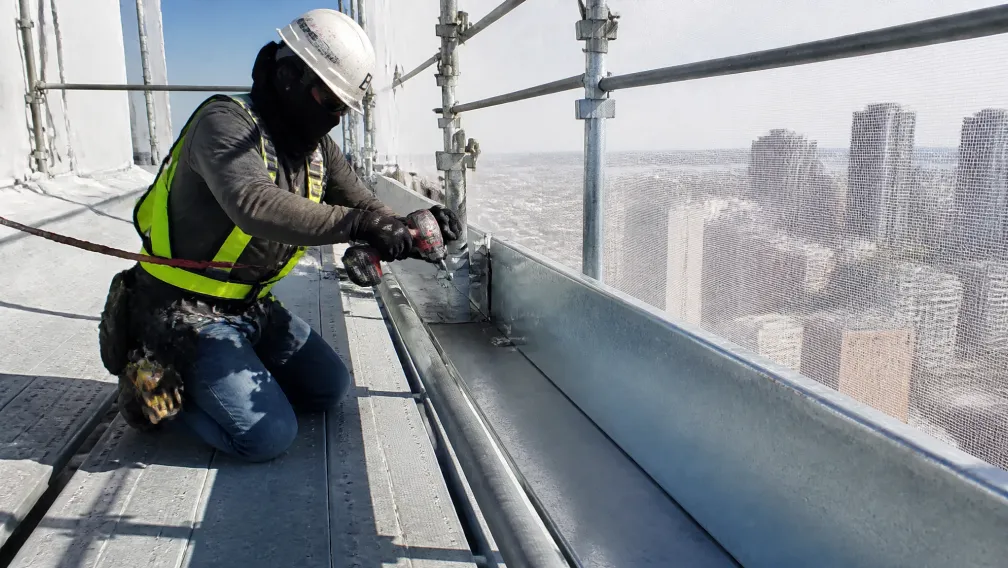
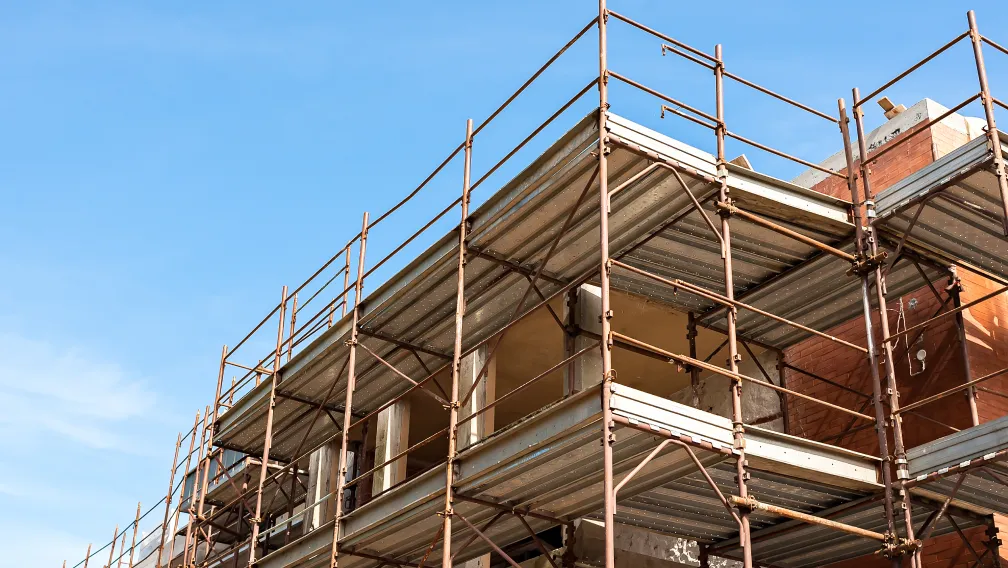
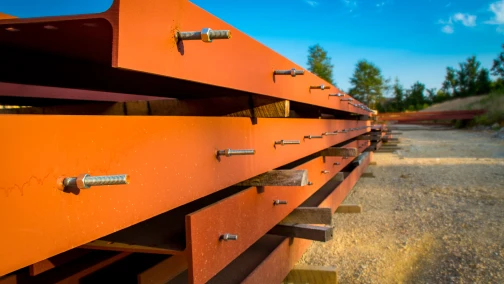
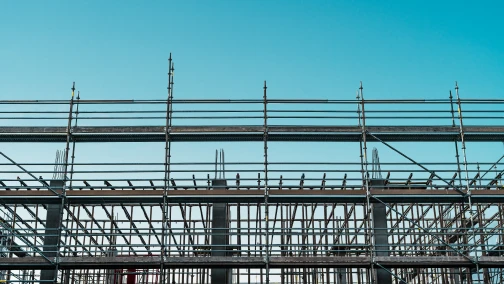
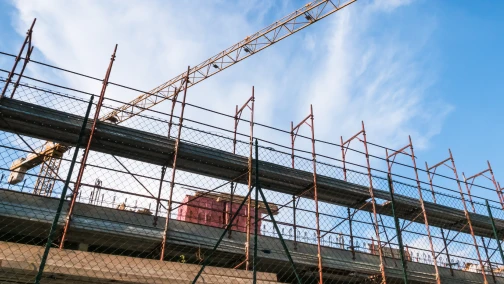
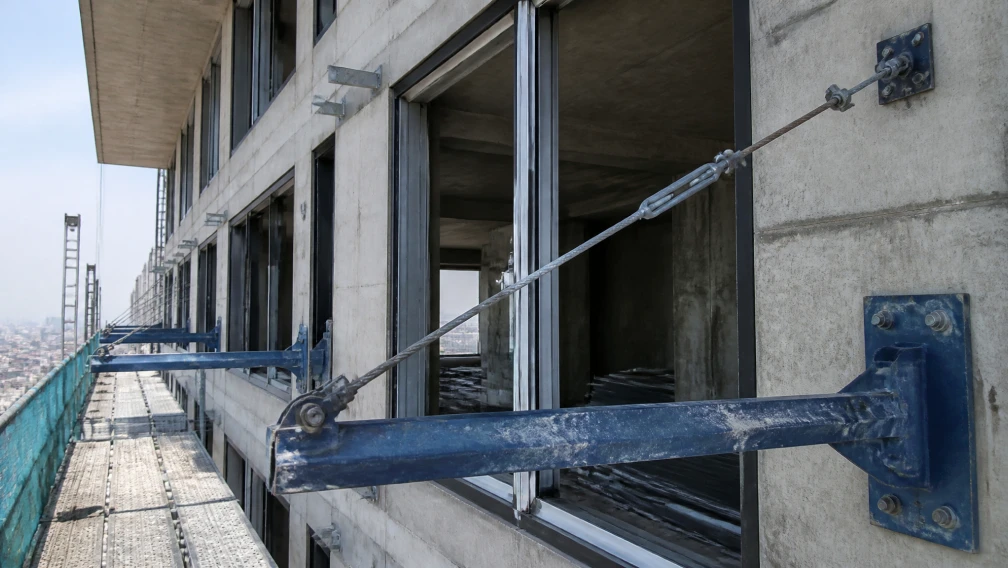
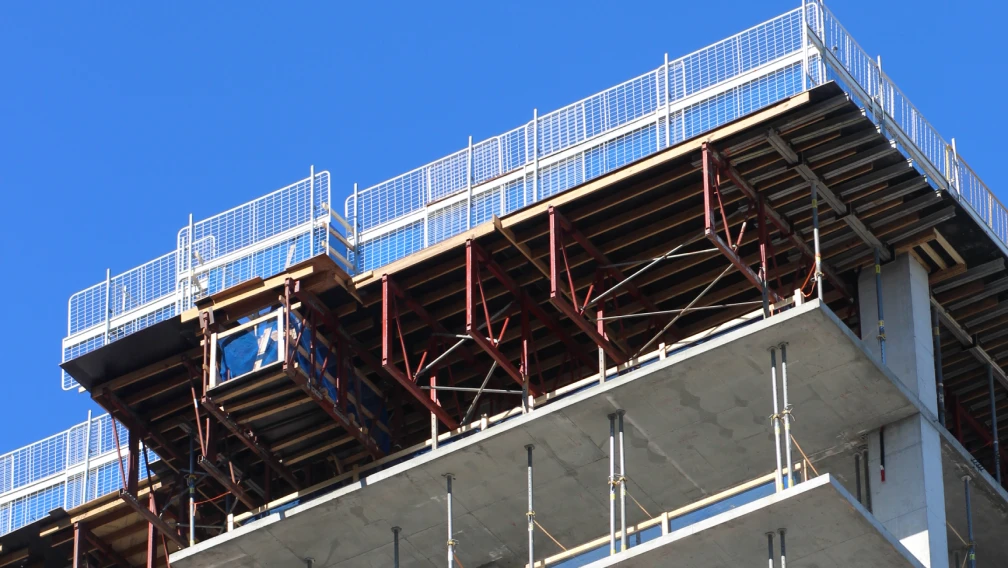
La construcción moderna en altura depende en gran medida del andamiaje en voladizo para proporcionar acceso perimetral seguro sin necesidad de soportes estructurales desde el suelo. Históricamente, los andamios en voladizo exigían enterrar largas vigas de acero en la estructura interior del forjado para contrapesar la proyección exterior. El andamio moderno en voladizo anclado al muro evita este método. La viga horizontal se mantiene corta y se atornilla directamente al muro exterior de hormigón. Para equilibrar la carga, un sistema de tirantes diagonales conecta el borde exterior de la viga con el muro de hormigón del piso superior.
Esta configuración triangular de soporte de carga traslada la tensión principal desde los momentos flectores interiores hacia fuerzas directas de cortante y tracción sobre el muro exterior. En consecuencia, la seguridad de toda la matriz del andamio depende de la integridad mecánica de los accesorios de anclaje embebidos en el hormigón.
Respuesta directa: ¿Qué es un inserto roscado para hormigón en el andamiaje?
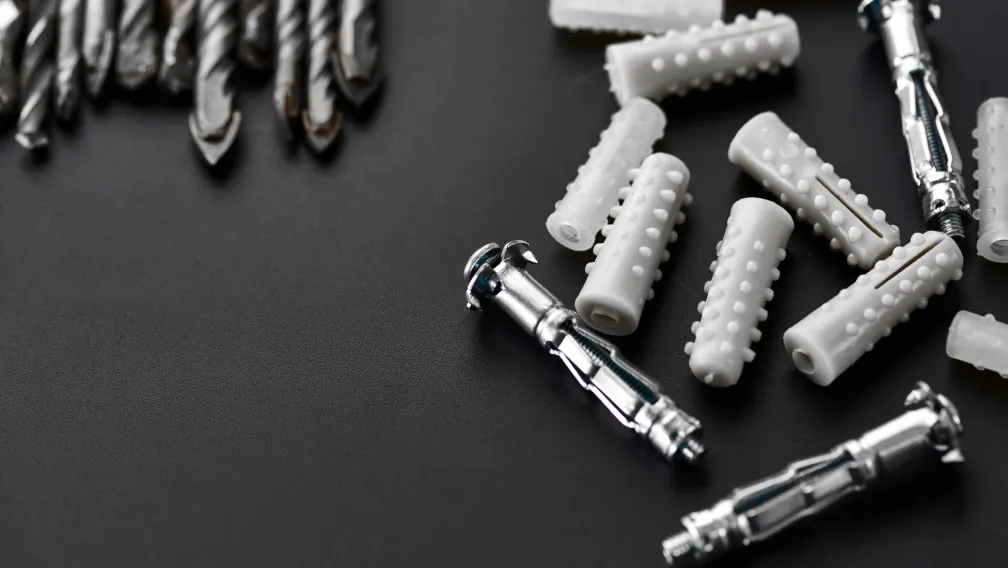
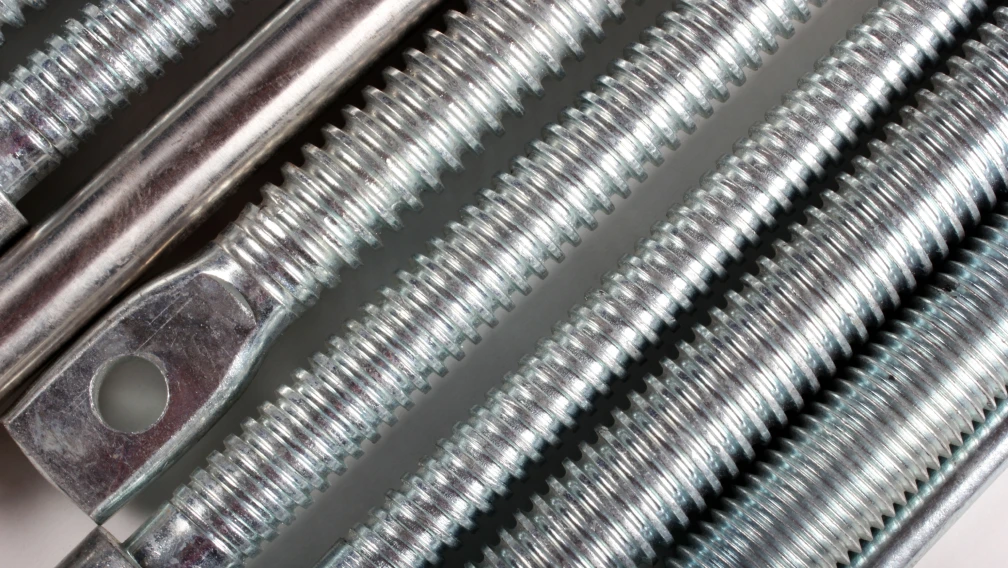
Un inserto roscado para hormigón es un casquillo de acero de alta resistencia embebido permanentemente en un muro estructural de hormigón o en un forjado durante la fase de vertido. Proporciona un punto de anclaje enrasado con rosca interna sobre la superficie del hormigón una vez retirado el encofrado. En el andamiaje en voladizo, estos insertos sirven como nodos principales de fijación para atornillar las viguetas horizontales en voladizo y los tirantes diagonales superiores directamente al núcleo del edificio, garantizando una transferencia de carga segura sin necesidad de perforaciones destructivas a través del muro.
Dimensiones de rosca y mecanismos de transferencia de carga
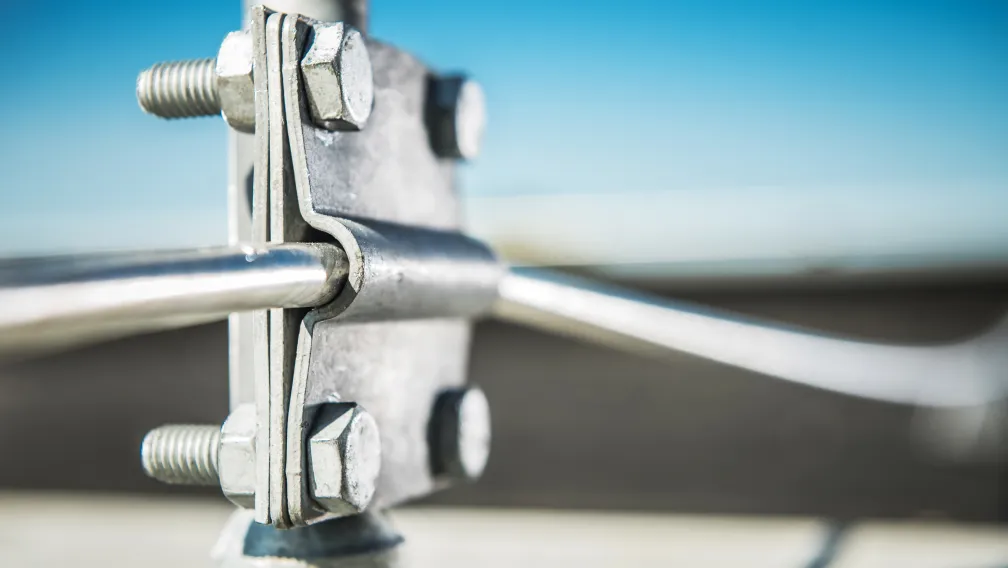
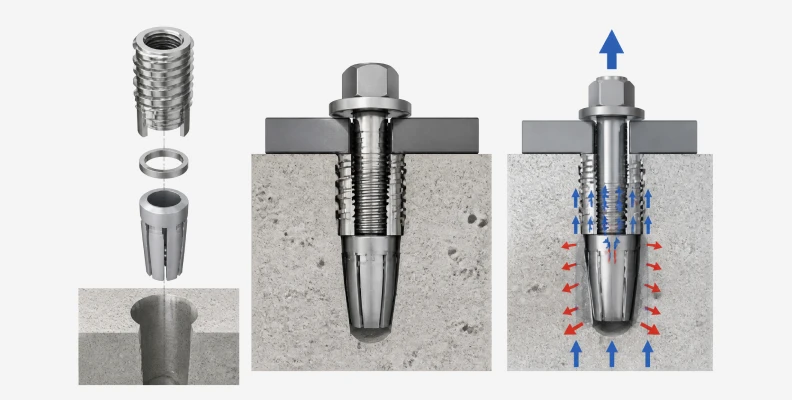
La geometría física de las roscas internas determina cómo se distribuyen las fuerzas de tracción a lo largo del cuerpo del anclaje. Las roscas métricas, como M16, M20 y M24, son estándar en los componentes de construcción pesada. Un paso de rosca más grueso permite una inserción más rápida del perno en obra y resiste mejor la interferencia de residuos menores que las roscas finas.
Cuando un perno estructural de alta resistencia se aprieta dentro del inserto, las roscas acopladas transfieren la tracción exterior del soporte en voladizo al cuerpo de acero del casquillo. El inserto distribuye entonces esta fuerza en profundidad hacia la masa de hormigón circundante mediante su base ensanchada o barra transversal. La profundidad del embebido es matemáticamente proporcional a la capacidad de carga requerida. Los ingenieros de obra calculan la profundidad exacta de embebido según la resistencia a compresión del hormigón y las cargas dinámicas máximas previstas que aplicará la plataforma de andamiaje.
Insertos roscados para hormigón: capacidades de carga y especificaciones
Los equipos de compra deben igualar las capacidades de tracción y cortante del inserto roscado para hormigón con los cálculos de carga estructural del andamio. Estos casquillos soportan cargas dinámicas extremas por el viento, el almacenamiento de materiales y el movimiento de trabajadores. Los insertos comerciales estándar se fabrican con acero al carbono de alta calidad o acero de baja aleación. Las especificaciones de compra suelen centrarse en el diámetro de rosca, el paso y la carga de tracción admisible.
| Modelo de especificación (M×L) | Paso de rosca (mm) | Diámetro de barra transversal (mm) | Carga de tracción admisible (kN) |
|---|---|---|---|
| M16 | 2.0 | 10 | 12.9 |
| M20 | 2.5 | 12 | 14.3 |
| M24 | 3.0 | 14 | 19.3 |
Nota: Los valores representan capacidades base; los límites exactos dependen de la resistencia última a compresión del hormigón curado en obra.
Metalurgia mecánica: anclajes forjados frente a fundidos
El proceso de fabricación dicta cómo se comporta el anclaje bajo carga dinámica. El acero forjado en matriz alinea la estructura de grano metálico a lo largo de la trayectoria de carga, produciendo alta resistencia a la tracción y resistencia superior a la fatiga. Los componentes fundidos, aunque más baratos de producir, conllevan el riesgo inherente de sopladuras internas y microporosidad. Bajo la pesada carga cíclica de la construcción en altura, los anclajes fundidos pueden fallar de forma abrupta sin deformación plástica. Especificar acero al carbono forjado en matriz o acero de baja aleación Q355B garantiza que el herraje embebido posea la ductilidad necesaria para estirarse ligeramente bajo sobrecarga extrema, proporcionando una advertencia visual antes del fallo estructural.
Garantizar la precisión con pernos de instalación de encofrado
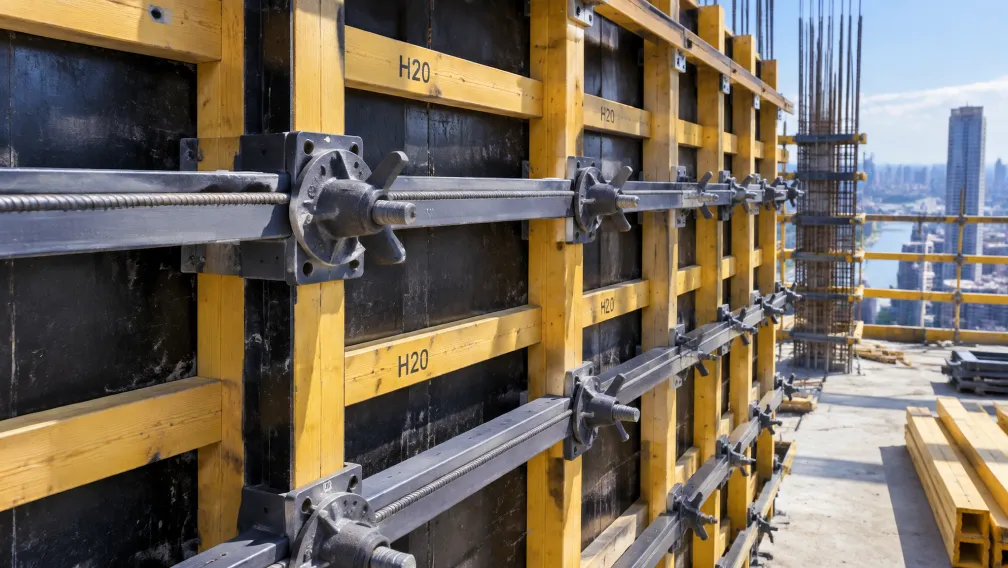
La capacidad mecánica de un inserto embebido se degrada si se desplaza durante el vertido de hormigón a alta presión. El posicionamiento preciso determina si las pesadas vigas de acero se alinearán horizontalmente a lo largo de la fachada del edificio. Para garantizar la precisión, los operarios utilizan un perno de instalación de encofrado.
Este fijador especializado atraviesa el panel de encofrado de madera o acero y se enrosca directamente en el casquillo del inserto. Sujeta el inserto firmemente contra la cara interior del molde. Esto mantiene el anclaje completamente rígido frente a la vibración y la presión del fluido del hormigón en curado. Una vez que el hormigón alcanza su resistencia objetivo y se desencofra, el perno de instalación se retira, dejando un agujero roscado perfectamente limpio y posicionado con precisión, listo para los pernos estructurales del andamio.
Anclajes de doble oreja e integración con tirantes diagonales
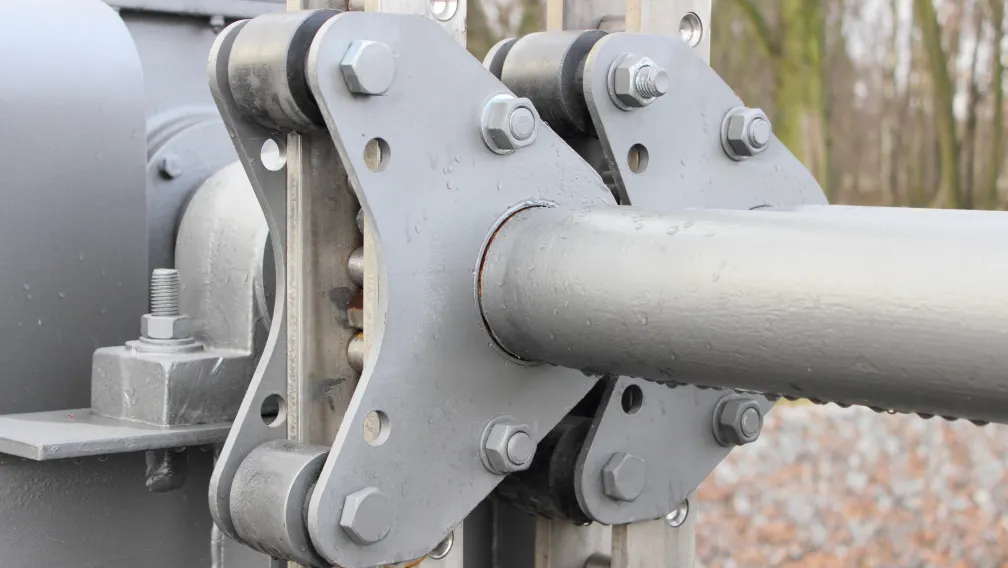
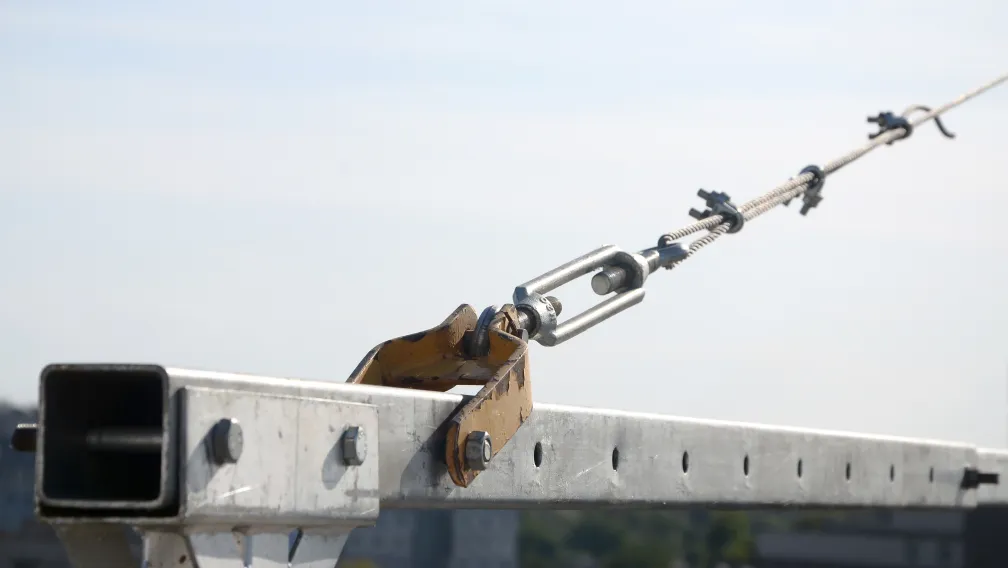
Mientras la vigueta en voladizo horizontal gestiona la conexión principal de la base, la línea de tensión diagonal requiere un tipo diferente de herraje de anclaje. Para asegurar el tirante superior, un anclaje de doble oreja de alta resistencia se atornilla en un inserto roscado superior o se suelda previamente a una placa de acero embebida.
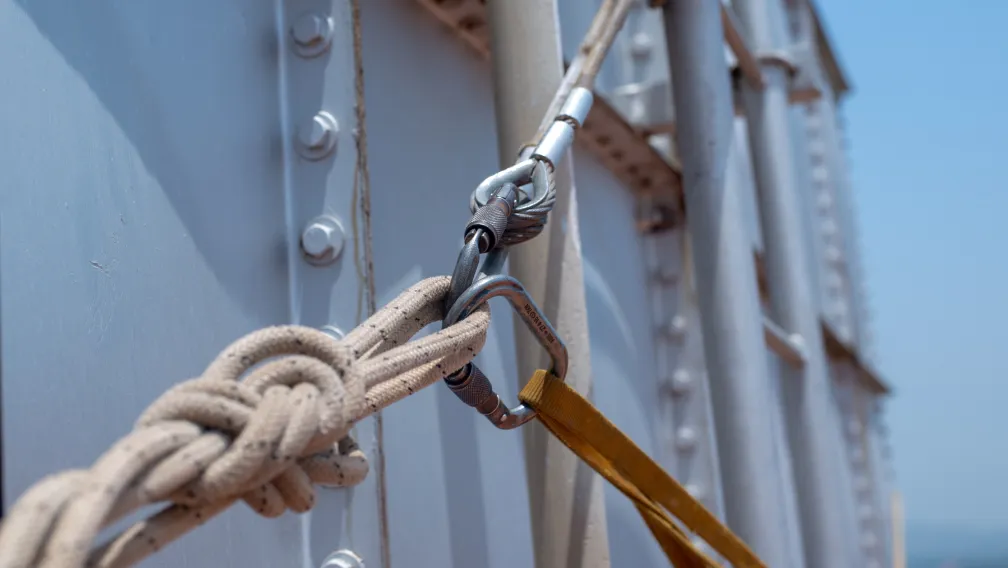
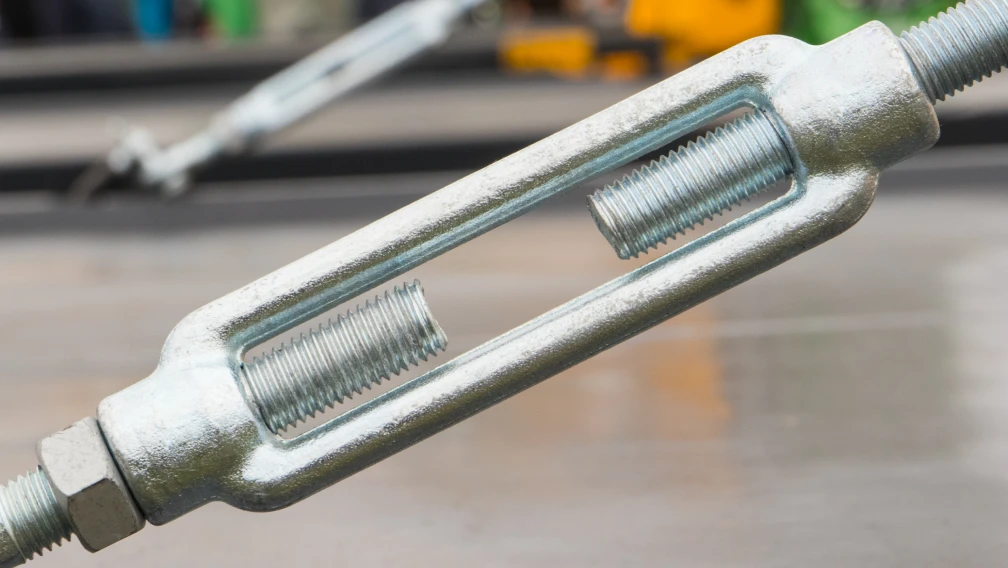
La configuración de doble oreja proporciona una articulación de horquilla de alta capacidad. Un pasador estructural atraviesa las orejas para asegurar el ojal del tirante. Este montaje crea una conexión pivotante que maneja la tensión diagonal pura sin introducir tensiones de flexión excéntrica en el anclaje. Los equipos de obra utilizan entonces un tensor de cuerpo cerrado integrado en el tirante para eliminar la holgura y pretensar el conjunto, transfiriendo el peso de la plataforma de forma segura al muro de cortante de hormigón.
Integración con sistemas de andamiaje modular
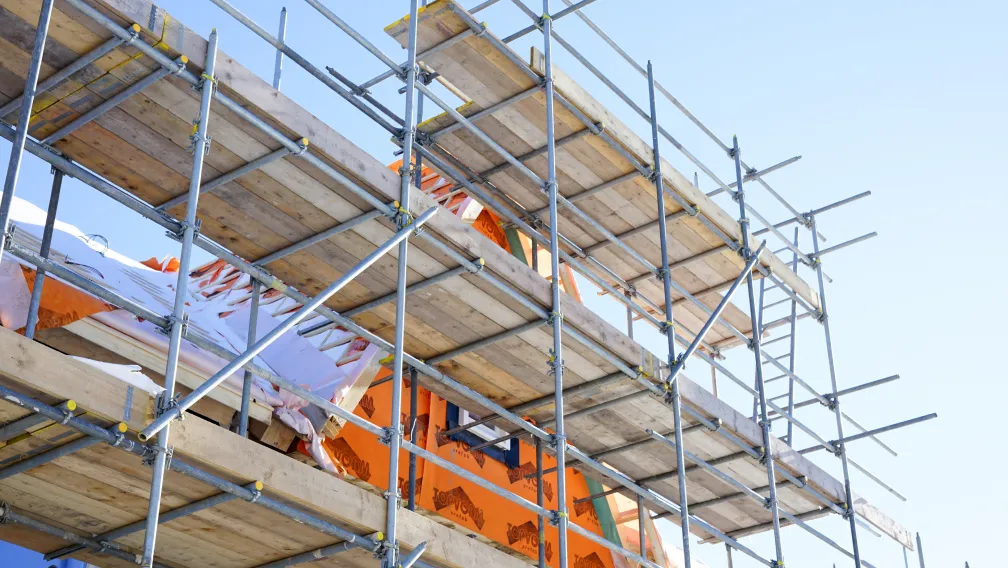
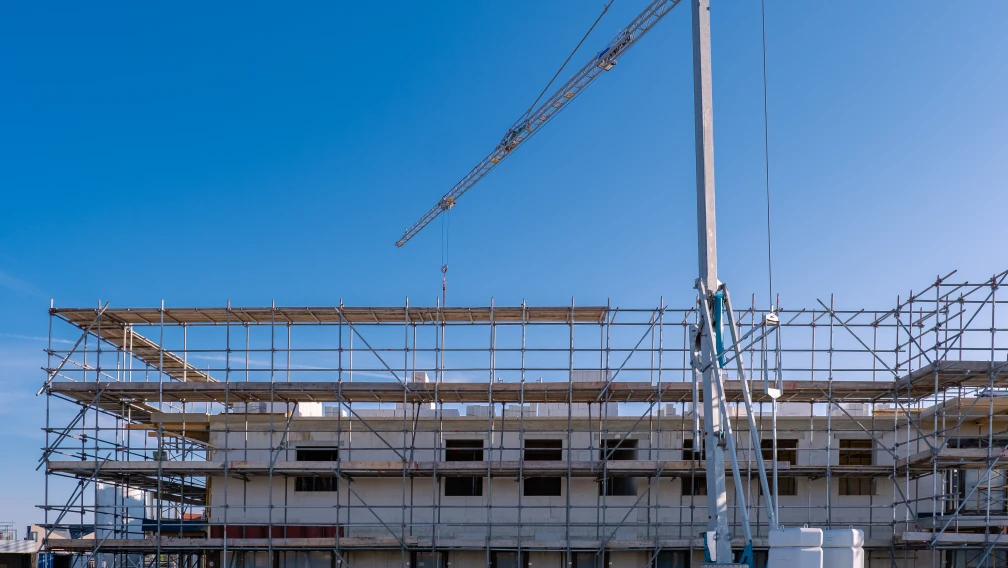
Los accesorios embebidos no funcionan de forma aislada; se interconectan directamente con la matriz más amplia del andamiaje modular. Los insertos roscados determinan las coordenadas exactas de partida de toda la plataforma exterior. Una ligera desviación en la colocación del anclaje se multiplica a lo largo de la fachada. Para combatir esto, los sistemas modernos de voladizo prefabricados utilizan soportes de conexión estandarizados y ranurados. Estos soportes se atornillan en los insertos roscados para hormigón y proporcionan tolerancias mecánicas que permiten a los ingenieros de obra ajustar las viguetas horizontales hasta una alineación perfecta. Una vez escuadrados, el arriostramiento diagonal y los sistemas de tirantes superiores bloquean la forma geométrica en su posición.
Resolver el problema de la penetración del muro y las filtraciones
Los anclajes de andamio tradicionales a menudo exigían que los operarios perforaran grandes agujeros a través de todo el muro exterior terminado, o dejaban largos miembros de acero sobresaliendo a través de la mampostería. Cuando se desmontaba el andamio, estos puntos de penetración debían parchearse manualmente. Un parcheado deficiente conducía con frecuencia a graves filtraciones de agua, comprometiendo la envolvente térmica del edificio y generando costosas responsabilidades por defectos para el contratista principal.
Los sistemas embebidos modernos resuelven este defecto de construcción. Los insertos quedan enrasados con la cara exterior de hormigón. Cuando se retira el andamiaje, los agujeros roscados simplemente se rellenan con una lechada impermeabilizante comercial o se cierran con tapones roscados de sellado. Este método de cero penetración reduce los costes de reparación de la fachada y acelera la entrega final del edificio.
Tratamientos anticorrosión para componentes embebidos
El equipamiento de andamiaje opera en entornos exteriores agresivos, exponiendo las piezas metálicas a humedad constante, fluctuaciones de temperatura y cloruros atmosféricos. Aunque la mayor parte del inserto roscado para hormigón permanece protegida dentro de la matriz alcalina del hormigón, la cara expuesta y las roscas internas son vulnerables a la oxidación rápida. La acumulación de óxido dentro de las roscas causa un gripado severo, haciendo imposible insertar o extraer los pernos de montaje de forma segura. Para prevenirlo, los fabricantes aplican un galvanizado electrolítico pesado o un galvanizado en caliente a los cuerpos de los anclajes. Los compradores B2B deben especificar el espesor exacto en micras del recubrimiento de zinc requerido para su clima regional específico, garantizando que el herraje sobreviva a cronogramas de proyecto prolongados sin degradarse.
Normativas de seguridad y cumplimiento para anclajes embebidos
Los ingenieros de obra deben verificar que el herraje de anclaje seleccionado cumpla con las normativas internacionales de carga. Normas como OSHA 1926.451 exigen un factor de seguridad de 4:1 para todos los componentes del andamiaje. Esto significa que un inserto embebido con una carga de trabajo nominal de 15 kN debe soportar teóricamente una fuerza de arrancamiento de 60 kN antes del fallo estructural.
Lograr esto requiere no solo un inserto de acero resistente, sino la profundidad correcta de embebido en hormigón y distancias al borde adecuadas. Los anclajes colocados demasiado cerca de la esquina de un forjado de hormigón corren el riesgo de causar un fallo de cortante cónico (rotura del hormigón) en el propio hormigón, mucho antes de que el inserto de acero ceda. Los planos de taller detallados y las inspecciones rigurosas antes del vertido son obligatorios para garantizar que las distancias al borde cumplan las especificaciones de ingeniería estructural.
Protocolos de inspección antes y después del vertido
La integridad de un montaje en voladizo se decide antes de verter el hormigón. Los responsables de seguridad de obra ejecutan inspecciones estrictas previas al vertido, verificando que cada perno de instalación de encofrado esté apretado al par correcto y que los insertos queden completamente enrasados contra los paneles de encofrado. Cualquier hueco permite que la lechada de cemento se filtre en las roscas, destruyendo la utilidad del anclaje. Después del vertido, una vez desencofrado, los operarios deben limpiar físicamente las roscas con aire comprimido y aplicar un lubricante industrial ligero antes de enroscar los pernos estructurales. Enroscar en falso un perno pesado en un inserto seco y polvoriento compromete el acoplamiento de la rosca y reduce severamente la capacidad mecánica de la conexión.
Directrices de compra para compradores B2B internacionales
Abastecerse de accesorios de andamiaje embebidos a nivel mundial requiere un control de calidad estricto. Debido a que estas piezas quedan embebidas permanentemente en la estructura del edificio, un fallo mecánico no puede reemplazarse fácilmente. Los compradores B2B deben imponer las siguientes reglas de compra:
- Trazabilidad del material: Exija certificados de ensayo de molino (MTC) completos que vinculen el producto terminado con el lote de acero bruto.
- Tolerancias de rosca: Asegúrese de que las roscas internas estén mecanizadas por CNC con tolerancias métricas precisas para que los pernos estructurales de alta resistencia acoplen suavemente.
- Protección superficial: Especifique un galvanizado pesado para los cuerpos de los anclajes a fin de prevenir la oxidación durante el tránsito marítimo y el almacenamiento en obra.
- Informes de ensayos destructivos: Solicite datos de ensayos de arrancamiento de terceros que demuestren el punto de fallo último del diseño del inserto en mezclas de hormigón estándar.
Profundidad de embebido, distancia al borde y el cono de hormigón
Un inserto embebido es tan fuerte como el hormigón que lo sostiene, y la geometría de esa sujeción está definida por dos números que los compradores rara vez ven en una ficha técnica: la profundidad de embebido y la distancia al borde. Cuando un tirante tira del anclaje, el hormigón resiste formando una biela de compresión que se abre en abanico desde el inserto a unos 35 grados, creando la superficie de cortante cónica que los ingenieros llaman rotura. Si el embebido es poco profundo, el cono es pequeño, y el hormigón falla antes de que el acero se acerque a su capacidad. Coloque el inserto demasiado cerca del borde de un forjado o de una esquina y el cono queda truncado por un lado, reduciendo la capacidad drásticamente. La práctica estándar para anclajes de andamiaje en voladizo en hormigón estructural de densidad normal parte de 150 a 200 mm de embebido, con distancias al borde de al menos 1,5 veces la profundidad de embebido y una separación libre entre insertos adyacentes de tres veces la profundidad, de modo que los conos vecinos no se solapen. Estas cifras cambian con la clase de hormigón, y un proveedor competente indica la clase de hormigón asumida junto a la carga nominal publicada, porque una capacidad medida en hormigón C30 significa poco en un proyecto que vierte C25.
Resolviendo las fuerzas sobre un anclaje en voladizo
Las cargas que llegan a un inserto embebido son mayores de lo que sugiere la intuición, razón por la cual el anclaje merece su propio cálculo en lugar de una regla general. Tome un nivel típico de fachada residencial: una vigueta en voladizo con proyección de 1,5 m, soportando una plataforma de trabajo de 20 m con un caso de carga en torno a 200 kg por metro cuadrado. La propia viga apoya sobre el borde del forjado y queda retenida por un tirante de andamio diagonal que sube hasta el piso siguiente a unos 45 grados. Resolviendo la geometría, la tensión del tirante para un vano de tamaño medio suele situarse en el rango de 15 a 25 kN, y esa tensión llega al inserto superior como una combinación de elevación vertical y cortante horizontal. Añada la succión del viento sobre la fachada, el factor dinámico de trabajadores y materiales en movimiento sobre la plataforma, y la carga de trabajo de diseño sobre un solo inserto puede acercarse a 30 kN. Frente a esa demanda, un inserto forjado con capacidad nominal de 50 kN o más, instalado en hormigón que ha alcanzado la resistencia requerida, lleva un margen de seguridad sensato. La misma aritmética explica por qué importa el ángulo de 45 grados del tirante: bajar a 30 grados recorta el componente de elevación de la tensión del tirante y casi duplica la tracción horizontal sobre la conexión al muro, que es la dirección que los anclajes embebidos toleran peor.
La secuencia de instalación que protege las roscas
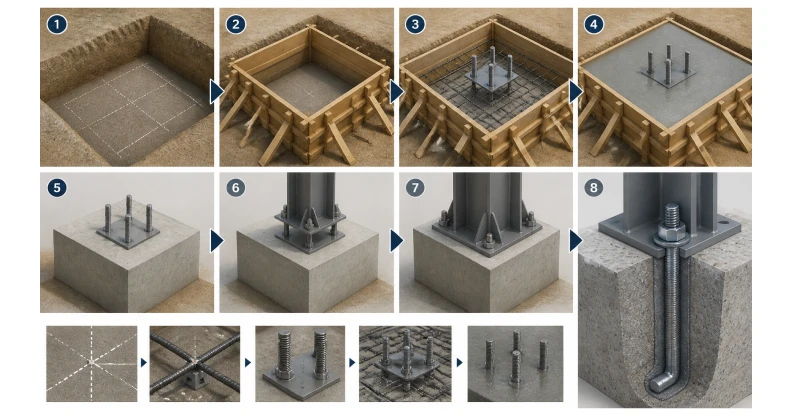
La mayoría de los fallos de insertos atribuidos a la fabricación se originan en realidad en el vertido, y la diferencia entre una instalación limpia y una contaminada se reduce a la disciplina de secuencia. El orden correcto comienza marcando las posiciones de los insertos sobre el encofrado a partir del plano de disposición del andamiaje, no de memoria el día del vertido. Cada inserto se sujeta entonces a la cara del encofrado con un perno de instalación de encofrado a través del panel, apretado hasta que la boca del inserto sella contra la piel del encofrado; ese sello es lo que mantiene la lechada de cemento fuera de la rosca interna mientras se vibra el hormigón. Se verifica la armadura para que ninguna barra cruce el cuerpo del inserto, el vertido avanza con el vibrador alejado de la zona del inserto, y los pernos de encofrado se retiran durante el desencofrado, dejando la boca roscada enrasada y limpia en el muro terminado. Una previsión de repuestos del cinco por ciento en insertos cubre la unidad ocasional perdida por un vertido desplazado o una rosca dañada, y cuesta casi nada frente al daño de cronograma de descubrir un anclaje contaminado el día en que llegan las vigas en voladizo. Las cuadrillas que fotografían cada fila de insertos instalados antes del vertido se dan un registro que resuelve cualquier disputa posterior sobre posición o cantidad.
Modos de fallo vistos en proyectos reales, y las soluciones
Cuatro patrones de fallo representan casi todos los problemas de anclaje reportados desde obras en altura. El primero es la contaminación de roscas, donde la lechada entró en la boca durante la vibración y curó dentro de la rosca; la prevención es el sello del perno de encofrado, y el remedio es repasar la rosca con un macho antes de forzar cualquier perno, porque un perno de alta resistencia enroscado en falso falla a una fracción de su capacidad. El segundo es la desalineación, donde los insertos derivaron fuera de la línea del plano y los agujeros de conexión de la viga ya no coinciden; las placas de conexión ranuradas en el extremo de la viga absorben errores pequeños, mientras que los grandes significan taladrar y usar anclajes químicos como medida correctiva. El tercero es la rotura bajo la primera carga, casi siempre atribuible a cargar los anclajes antes de que el hormigón alcanzara la resistencia requerida, o a un embebido acortado en obra para esquivar armadura. La solución es paciencia y ensayos: retenga la carga hasta que los resultados de cilindros confirmen el 75 por ciento de la resistencia de diseño, aproximadamente siete días a 20 grados Celsius para mezclas típicas, y nunca permita que el equipo de armaduras acorte un inserto sin aprobación de ingeniería. El cuarto es la corrosión en la interfaz acero-hormigón en proyectos costeros, donde el aire cargado de cloruros ataca la boca expuesta; los insertos galvanizados en caliente con tapas de grasa tras el desencofrado convierten esto en un asunto de mantenimiento en lugar de uno estructural.
Reutilización, inspección y la lista de verificación del desencofrado
Los insertos embebidos permanecen en la estructura para siempre, pero todo lo que se atornilla a ellos es reutilizable, y el estado de la boca del inserto decide con qué fluidez avanza el siguiente piso. La lista de verificación de desencofrado para cada punto de anclaje es corta: confirme que el perno se desenrosca limpiamente sin gripado, cepille la boca con cepillo de alambre, calibra la rosca interna con un perno de repuesto a mano en lugar de forzar, tape la abertura con un tapón de plástico o grasa para mantener fuera residuos y agua de lluvia hasta el siguiente nivel, y registre cualquier inserto que muestre fisuración o desprendimiento en el hormigón circundante para revisión de ingeniería antes de su reutilización. Un inserto rodeado de un patrón de fisuras radiales ya le ha dicho que el cono de hormigón fue sobretensionado, y atornillar el siguiente nivel sobre él invita a una repetición con peores consecuencias. Los proyectos que mantienen esta lista en dos minutos por anclaje lo recuperan muchas veces en retrasos evitados, porque descubrir un anclaje defectuoso durante el tensado de tirantes, con la cuadrilla esperando en altura, es el momento más caro para encontrarlo.
Qué especificar al pedir herraje embebido
Los compradores internacionales que comparan cotizaciones de accesorios embebidos obtienen cifras comparables solo cuando la especificación fija cinco puntos. El tamaño y la longitud de rosca van primero, ya que un inserto M20 y uno M24 se ven idénticos en una foto y difieren enormemente en capacidad. El grado de material sigue, declarado como Q235B o Q355B forjado con certificados de molino disponibles, porque los sustitutos fundidos imitan la forma con menor resistencia. La carga de trabajo nominal debe cotizarse con su clase de hormigón asumida y profundidad de embebido, y el tratamiento superficial especificado como natural, galvanizado electrolítico o galvanizado en caliente según la exposición de la obra. Finalmente, los planos dimensionales con tolerancias permiten a su ingeniero verificar la compatibilidad con los anclajes de doble oreja y tirantes ya presentes en el proyecto. Un proveedor que responde estos cinco puntos con prontitud y con planos está demostrando el sistema de calidad detrás del producto; la vacilación en cualquiera de ellos predice vacilación también en el contenedor.
Preguntas frecuentes sobre anclajes embebidos
¿Cuál es la función principal de un inserto roscado para hormigón en el andamiaje?
Actúa como un punto de anclaje permanente de alta resistencia embebido directamente en la estructura de hormigón, permitiendo atornillar las pesadas vigas de andamio en voladizo al muro exterior sin necesidad de perforaciones pasantes.
¿Cómo se evita que el hormigón llene el inserto roscado durante el vertido?
Se utiliza un perno de instalación de encofrado para sujetar el inserto firmemente contra el panel de encofrado. Esto sella la abertura y evita que la lechada de cemento líquida contamine las roscas internas durante la vibración y el curado.
¿Qué grados de acero se utilizan típicamente para los anclajes de andamio embebidos?
Los anclajes estructurales de alta capacidad se forjan normalmente en acero al carbono Q235B o Q355B, proporcionando un equilibrio fiable entre alta resistencia a la tracción y la ductilidad necesaria para soportar cargas dinámicas de impacto.
¿Puede un anclaje de doble oreja manejar fuerzas de cortante lateral?
Los anclajes de doble oreja están diseñados principalmente para manejar la tensión axial de los tirantes diagonales. Proporcionan una conexión pivotante con pasador que asegura que las fuerzas se transfieran suavemente al hormigón sin inducir flexión excéntrica o cortante severos.
¿Por qué se prefiere el andamiaje en voladizo anclado al muro frente a las vigas tradicionales de inserción profunda?
Los montajes anclados al muro eliminan la necesidad de introducir largas vigas de acero profundamente en el forjado interior. Esto reduce el tonelaje total de acero requerido y permite que los oficios interiores, como la mampostería y los pavimentos, avancen sin interrupciones.
¿Con qué resistencia del hormigón se puede aplicar carga a un inserto roscado embebido?
Los ingenieros estructurales generalmente exigen que el hormigón circundante alcance al menos el 75% de su resistencia total de diseño antes de aplicar cargas significativas de andamiaje o tensiones de tirantes a los anclajes embebidos.
¿Qué causa que un anclaje embebido falle antes de alcanzar su límite elástico máximo del acero?
El fallo suele ocurrir por rotura del hormigón (fallo de cortante cónico) en lugar de por rotura del acero. Esto sucede si la profundidad de embebido es demasiado reducida o si el anclaje se instala demasiado cerca del borde del forjado de hormigón.
Conecte con nuestro equipo de ingeniería para anclajes estructurales
Fabricamos accesorios de andamiaje certificados, sistemas de voladizo de alta resistencia y herrajes embebidos de precisión para la construcción en altura. Nuestras líneas de producción abastecen a contratistas globales con conexiones estructurales fiables que cumplen los códigos de seguridad internacionales. Envíe los planos de su proyecto y los requisitos de carga a nuestro equipo para recibir una propuesta técnica detallada y precios de mayorista. Visite nuestra página de contacto para asegurar su cadena de suministro.
-

Lengge
Fabricante de sistemas de andamios en voladizo
Lengge es una fábrica con sede en China que produce vigas I para andamios en voladizo, tirantes, conectores, piezas empotradas y accesorios completos de andamios. Suministramos a contratistas, mayoristas y empresas de alquiler en más de 50 países desde nuestras instalaciones de producción en Hebei.