IDIOMA

La física del apuntalamiento vertical en la construcción de hormigón
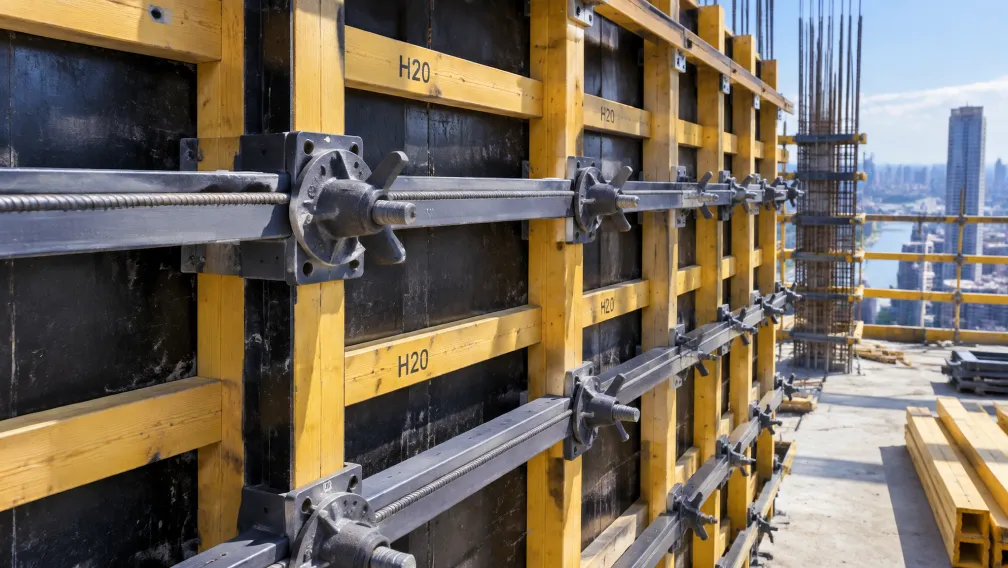
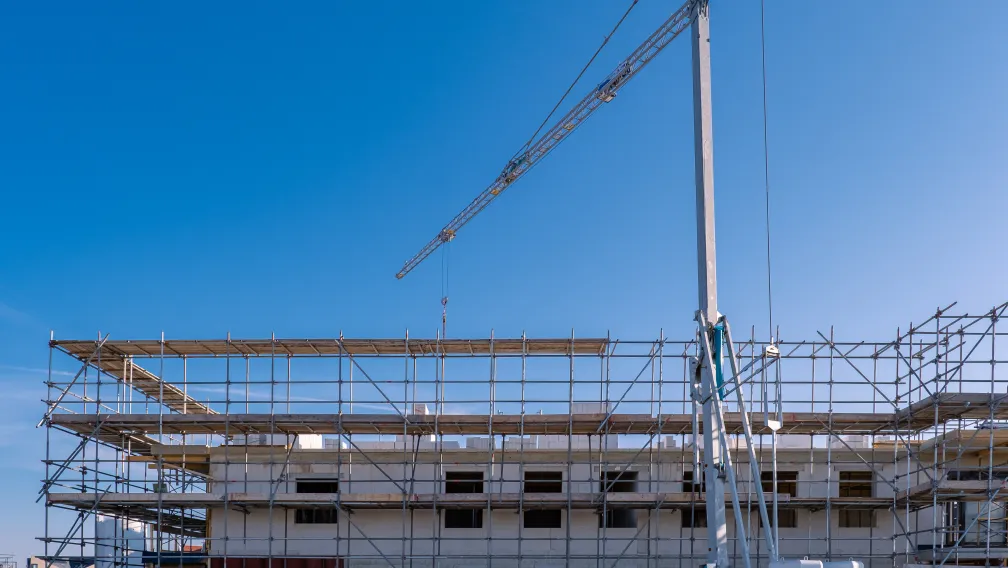
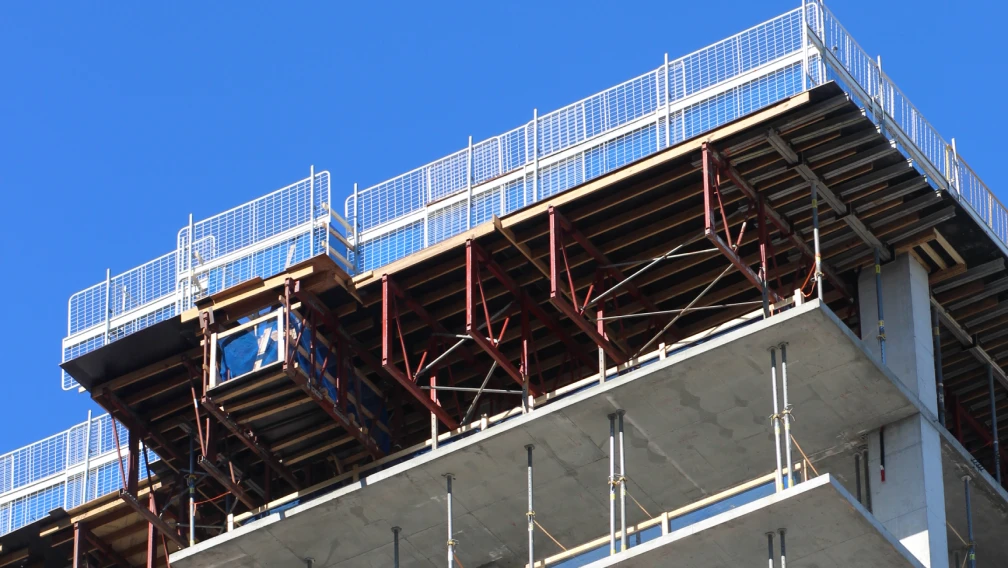
El vertido de una losa de hormigón suspendida introduce enormes cargas muertas temporales en la estructura de un edificio. El hormigón fresco, las matrices de armadura de acero y el encofrado de madera pesada deben mantenerse completamente rígidos hasta que el hormigón fragüe y alcance su resistencia de diseño. Los ingenieros de obra despliegan redes de apuntalamiento vertical temporal para absorber estas fuerzas verticales y transferirlas de forma segura a los forjados curados inferiores. El componente principal que ejecuta esta transferencia de carga en la construcción moderna es el puntal metálico extensible, que sustituye a los tradicionales puntales de madera de longitud fija.
Los puntales metálicos permiten un ajuste exacto al milímetro en la obra. Esta capacidad absorbe los desniveles del suelo y los requisitos precisos de contraflecha arquitectónica sin necesidad de que los trabajadores corten material o utilicen cuñas de madera. La integridad mecánica de estos soportes verticales dicta directamente la seguridad de la operación de vertido. El colapso de un solo puntal obliga a los puntales adyacentes a absorber un peso no previsto, desencadenando un fallo estructural progresivo en toda la superficie del encofrado.
Respuesta Directa: ¿Qué es un puntal metálico extensible?
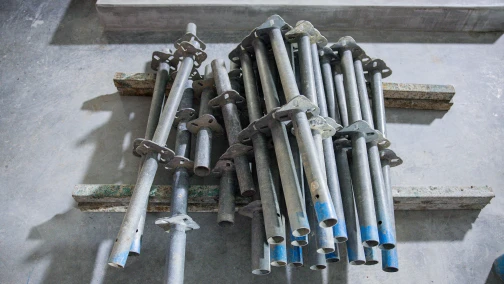
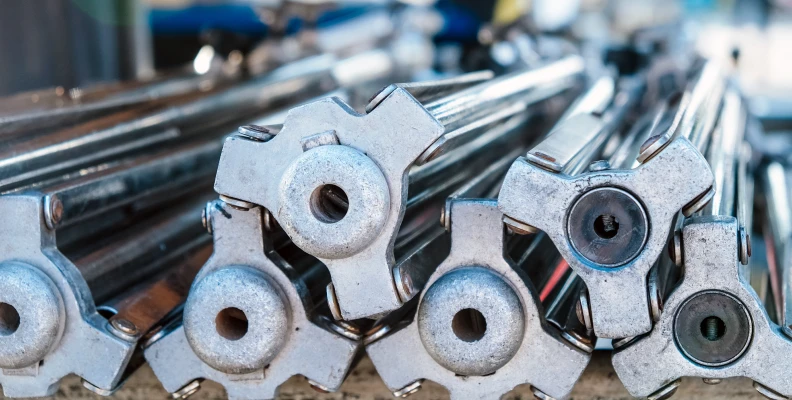
Un puntal metálico extensible (también conocido como puntal de apuntalamiento o puntal acrow) es un soporte tubular telescópico de acero utilizado en la construcción para sostener temporalmente cargas verticales, principalmente encofrados de hormigón. Consta de un tubo exterior más ancho, un tubo interior más estrecho con orificios troquelados, un collarín roscado, una tuerca de ajuste de alta capacidad y un pasador de cizallamiento. El tubo interior se desliza hacia afuera hasta la altura aproximada requerida y se bloquea insertando el pasador. A continuación, el trabajador gira la tuerca del collarín a lo largo de la sección roscada para lograr un ajuste de altura exacto al milímetro y aplicar una pretensión contra la carga.
Dimensiones de tubos y configuraciones de alta resistencia
La capacidad de carga comienza con la geometría física de los tubos de acero. Los puntales metálicos extensibles funcionan mediante un mecanismo telescópico. El solapamiento físico entre el tubo interior y el exterior rige la rigidez del puntal cuando está extendido.
Los fabricantes clasifican los puntales en categorías de carga ligera, media y pesada en función del diámetro del tubo y del grosor de la pared. Una configuración estándar de carga ligera suele utilizar un tubo interior de 40 mm de diámetro exterior (OD) que se desliza dentro de un tubo exterior de 48 mm de OD, con grosores de pared de entre 1,8 mm y 2,0 mm. Estos sirven adecuadamente para construcciones residenciales de poca altura.
Para la ingeniería civil pesada comercial, los directores de obra especifican configuraciones de alta resistencia. Estas utilizan un tubo interior de 48 mm de OD y un tubo exterior de 60 mm de OD. El grosor de la pared para los puntales de alta resistencia oscila entre 2,5 mm y 3,0 mm, utilizando acero al carbono de grado Q235B o Q355B. El mayor área de sección transversal aumenta exponencialmente el momento de inercia de la sección, evitando que la columna de acero se pandee bajo cargas pesadas de hormigón.
Roscas laminadas en frío vs. roscas cortadas: Impacto en la resistencia a la tracción
La sección roscada del puntal soporta todo el desgaste por abrasión de la tuerca del collarín durante el ajuste de la altura. Los compradores B2B deben evaluar cómo produce el fabricante esta rosca.
Los puntales de gama baja utilizan roscas cortadas. Un torno mecaniza y corta el acero para formar el perfil de la rosca. Este proceso elimina material base, reduciendo el grosor de la pared del tubo exactamente en el punto de máxima tensión mecánica. Bajo cargas verticales pesadas, una rosca cortada actúa como un punto de fallo.
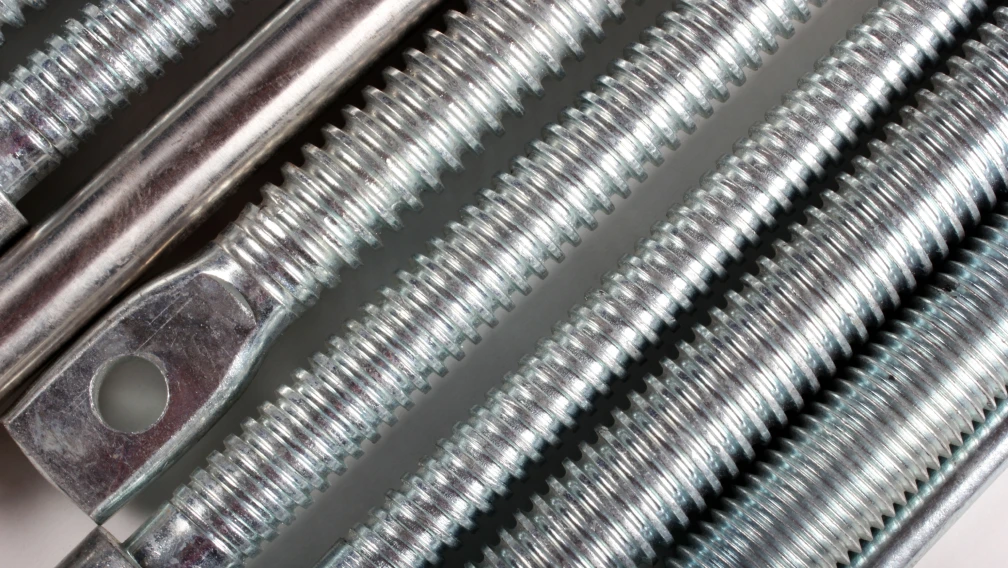
Los puntales extensibles de alta calidad utilizan roscas laminadas en frío. Rodillos industriales pesados comprimen el tubo de acero para formar el perfil de la rosca sin eliminar material. Este proceso de trabajo en frío altera la estructura del grano metálico, aumentando realmente la resistencia a la tracción localizada y la dureza superficial de la rosca. Una rosca laminada resiste el trasroscado bajo cargas dinámicas pesadas y prolonga la vida útil del puntal a lo largo de múltiples proyectos.
Degradación de la capacidad de carga en la extensión máxima
Los ingenieros estructurales no asignan una única capacidad de carga estática a un puntal metálico extensible. La carga de trabajo segura (SWL) máxima se degrada severamente a medida que el puntal se extiende hacia su altura máxima. Esta limitación física se rige por la fórmula de carga crítica de Euler para el pandeo de columnas.
Cuando un puntal permanece totalmente comprimido (por ejemplo, a 2,0 metros), el acero actúa como un bloque corto y rígido, ofreciendo su máxima resistencia a la compresión. A medida que los trabajadores extienden el tubo interior a 3,5 o 4,0 metros, la esbeltez mecánica de la columna aumenta. El puntal se vuelve susceptible al pandeo lateral. Un puntal de alta resistencia que soporta fácilmente 30 kN a 2,0 metros puede soportar de forma segura solo 12 kN en su extensión máxima de 4,0 metros. Los equipos de compras deben consultar las tablas de ensayos de carga certificadas del fabricante para equiparar la capacidad del puntal con las alturas de extensión requeridas en el proyecto, en lugar de confiar en la capacidad comprimida base.
Arriostramiento horizontal para evitar el pandeo lateral
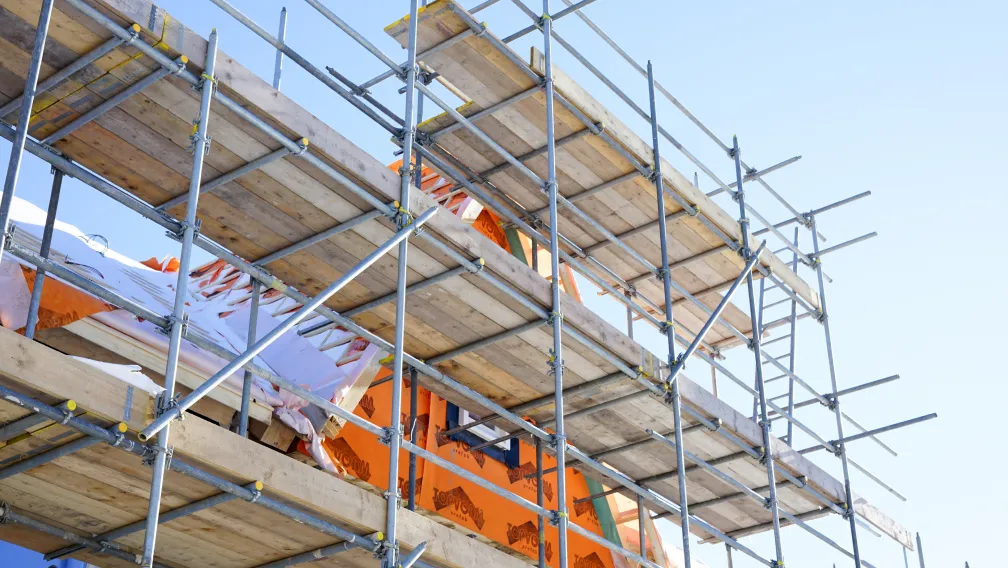
Para contrarrestar la degradación de la carga en extensiones elevadas, los equipos de obra integran los puntales individuales en una matriz tridimensional rígida. Instalan tubos de andamio horizontales estándar que conectan los puntales verticales en sus puntos medios.
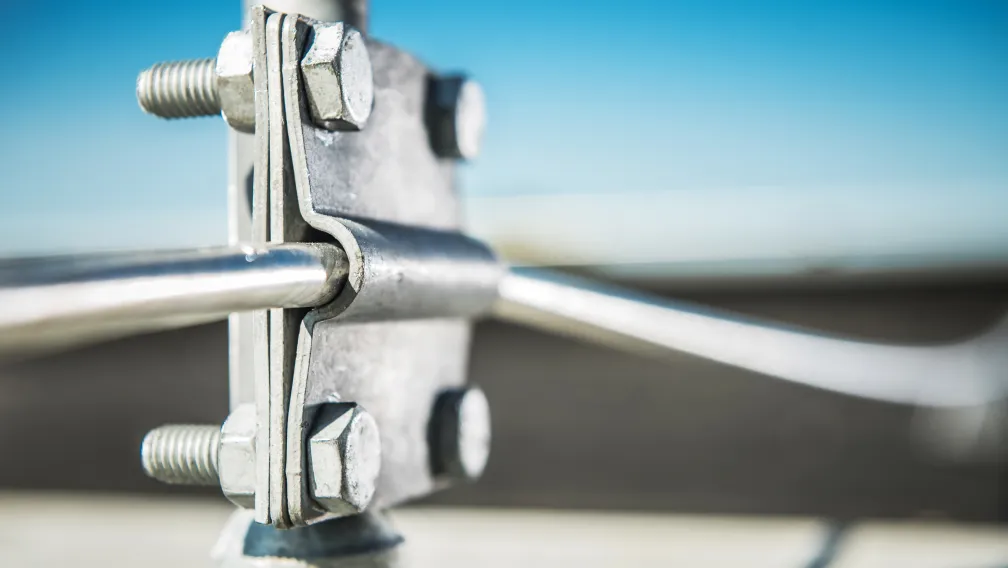
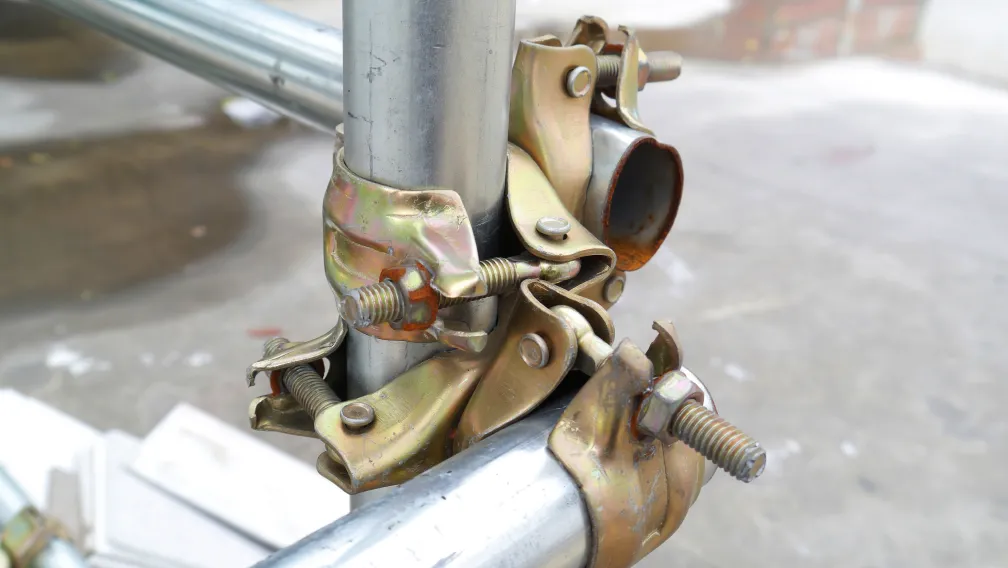
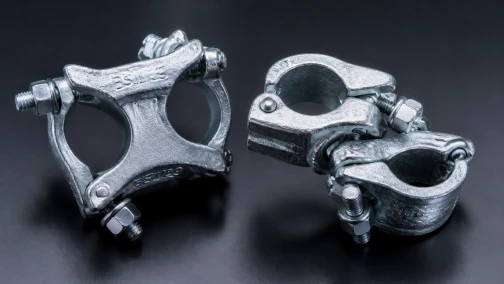
Este entramado horizontal reduce a la mitad la longitud no arriostrada del puntal, cambiando radicalmente la esbeltez mecánica y obligando al sistema a comportarse mecánicamente como una torre rígida en lugar de columnas débiles independientes. Para ejecutar esta conexión de forma segura, los trabajadores utilizan acopladores dobles para andamios de alta resistencia para fijar los tubos de arriostramiento horizontal directamente a los tubos exteriores de los puntales. Para el arriostramiento en diagonal, que resiste el empuje del viento y las fuerzas laterales del flujo de hormigón, los acopladores giratorios para andamios proporcionan la articulación de 360 grados necesaria.
Resistencia al cizallamiento del pasador y metalurgia de la tuerca
Todo el peso de la losa de hormigón pasa a través de dos pequeños componentes: la tuerca de ajuste y el pasador de bloqueo. Estos dos elementos representan los cuellos de botella mecánicos más críticos en el diseño del puntal.
El Pasador de Bloqueo: Los pasadores rectos estándar pueden soltarse debido a la vibración de los vibradores de hormigón o de la maquinaria de la obra. Los sistemas de andamiaje profesionales utilizan un pasador en G (pasador de gancho). El diseño con gancho se envuelve alrededor del tubo exterior, impidiendo físicamente su desprendimiento accidental. El pasador debe estar forjado en acero de alta resistencia para resistir un fallo catastrófico por cizallamiento.
La Tuerca del Collarín: La tuerca se desplaza por la rosca y sostiene el pasador. Las tuercas de acero soldadas o las frágiles tuercas de hierro fundido pueden agrietarse bajo cargas de choque repentinas. Los puntales de altas especificaciones utilizan tuercas de collarín de hierro dúctil (fundición nodular). El hierro dúctil contiene estructuras de grafito esférico que absorben los impactos y se estiran ligeramente bajo una presión extrema sin romperse, proporcionando un enorme margen de seguridad durante los vertidos de hormigón.
Normas europeas EN 1065 y cumplimiento
Los proyectos internacionales de edificación en altura exigen un cumplimiento certificado para evitar responsabilidades. La norma regulatoria de referencia para puntales metálicos telescópicos es la EN 1065. Esta norma europea clasifica los puntales en distintas categorías (Clase A, B, C, D y E) en función de su capacidad de carga característica para longitudes de extensión específicas.
Por ejemplo, un puntal EN 1065 Clase C debe mantener una rigurosa capacidad límite característica en su extensión máxima, garantizando un rendimiento básico independientemente de lo lejos que sobresalga el tubo interior. Los puntales diseñados conforme a estas normas se someten a rigurosas pruebas destructivas, incluyendo ensayos de cizallamiento de pasadores, pruebas de desprendimiento de roscas y ensayos de pandeo a columna completa. La importación de puntales de acero genéricos no certificados para encofrados comerciales a gran escala introduce graves riesgos estructurales y no supera las auditorías de seguridad municipales rutinarias.
Tratamientos anticorrosivos para la vida útil en alquiler
Los puntales metálicos extensibles son activos de capital. Las empresas de alquiler de andamios y los grandes contratistas esperan una vida útil de cinco a diez años en múltiples entornos exigentes. La naturaleza alcalina del cemento fresco ataca rápidamente el acero sin tratar, lo que provoca picaduras profundas y la reducción del grosor de la pared.
La pintura por inmersión básica ofrece una protección mínima y se raya durante el primer ciclo de transporte. El recubrimiento en polvo proporciona un acabado duro y resistente adecuado para entornos de construcción estándar. Sin embargo, para una longevidad máxima, especialmente en regiones costeras u obras civiles pesadas, la galvanización en caliente (HDG) es la especificación óptima. El proceso HDG recubre los tubos interior y exterior, por dentro y por fuera, con una capa gruesa de aleación de zinc unida metalúrgicamente (normalmente de 60 a 80 micras). Esto evita la oxidación interna del tubo, un defecto oculto que compromete silenciosamente la integridad estructural de los puntales pintados.
Reglas de compra: Derrotar el fraude de la tolerancia negativa
El problema más persistente en la compra B2B de puntales de acero es la práctica de la tolerancia negativa extrema. Proveedores no verificados cotizan un puntal de alta resistencia de 48/60 mm con un grosor teórico de pared de 3,0 mm para ganar un contrato basándose en el precio. Durante la producción, laminan los tubos de acero hasta un grosor real de 2,4 mm. Esto reduce enormes cantidades de peso de materia prima y costes del pedido, pero destruye por completo la resistencia a la compresión del puntal.
Los compradores B2B deben hacer cumplir estrictas reglas de compra. Los contratos deben especificar la facturación por peso real pesado en báscula, no por recuento teórico de piezas. Un puntal estándar de alta resistencia de 3,5 metros posee un peso matemático conocido basado en la densidad del acero. Si un contenedor de envío pesa un 15% menos que el cálculo de ingeniería, el proveedor ha ejecutado un fraude de tolerancia negativa. Exija siempre una inspección previa al envío centrada en comprobaciones con calibre digital del grosor de la pared del tubo y del diámetro de la raíz de la rosca.
El sistema de tallas de puntales y cómo leerlo
Los puntales ajustables se venden por números de talla que codifican su rango de altura, y leer el sistema correctamente previene el clásico error de pedido de comprar puntales que no alcanzan el forjado. Bajo la consolidada convención BS 4074, un puntal No. 0 cubre aproximadamente de 1,1 a 1,8 m, un No. 1 abarca de 1,8 a 3,1 m, un No. 2 corre de 2,0 a 3,4 m, un No. 3 alcanza de 2,4 a 3,9 m y un No. 4 se extiende de 3,2 a 4,9 m. El solapamiento entre tallas adyacentes es deliberado, dando a la obra flexibilidad cuando las alturas de forjado varían a lo largo de la planta. La regla de selección que vale la pena enseñar a todo comprador: elija la talla que mantiene la altura de trabajo en la mitad inferior del rango del puntal siempre que sea posible, porque la capacidad de carga cae a medida que crece la extensión, y un puntal trabajando cerca de su longitud cerrada es a la vez más fuerte y más rígido que el mismo puntal estirado cerca de su límite. Para alturas de forjado por encima de cinco metros, la respuesta es una torre de apuntalamiento o un sistema de marcos, y cualquier cotización que ofrezca un puntal único para esas alturas debe cuestionarse antes de valorarse.
Cómo se degrada la capacidad con la extensión
La tabla de cargas de la ficha de un puntal es en realidad una curva, y la forma de esa curva sigue las matemáticas de pandeo de Euler. Un puntal de alta resistencia puede soportar 40 kN en su extensión mínima, 30 kN a medio rango y 20 kN completamente extendido, porque el esbelto tubo interior gobierna cada vez más la estabilidad a medida que telescopia hacia afuera. Se siguen dos consecuencias prácticas. Primero, la carga de diseño por puntal debe verificarse contra la capacidad a la extensión de trabajo real, no contra la cifra de titular del folleto; un esquema de encofrado calculado a la capacidad máxima fallará silenciosamente si los puntales se extienden más allá de la altura asumida. Segundo, el espesor de pared gobierna la curva. La diferencia entre una pared de 2,3 mm y una de 2,6 mm en el tubo interior no es un cambio del diez por ciento en capacidad sino a menudo uno del veinte por ciento, porque la resistencia al pandeo escala con el momento de inercia de la sección del tubo. Esta es la razón ingenieril detrás del fraude de espesor de pared discutido en la sección de compras: adelgazar la pared es la forma más barata de falsear un puntal, y la más peligrosa.
Excentricidad, aplomado y disciplina de instalación
Un puntal cargado perfectamente concéntrico entrega su capacidad calculada; el mismo puntal cargado unos milímetros fuera de centro o inclinado un grado respecto a la vertical pierde una fracción seria de ella. Los estudios de campo y las guías normativas convergen en las tolerancias: los puntales deben quedar a plomo dentro de aproximadamente un grado, y la carga debe entrar por el centro de la placa de cabeza, porque la excentricidad añade flexión a la compresión axial y el pandeo llega mucho antes. Las disciplinas de obra que logran esto son poco glamurosas. Las placas de base pertenecen a tablas de apoyo de madera sanas y niveladas que reparten la carga puntual hacia el terreno o el forjado inferior; un puntal apoyado directamente sobre relleno irregular perfora y se inclina. Las placas de cabeza deben asentar completamente contra la viga del encofrado, con cuñas de madera solo como ajuste menor y nunca como trayectoria primaria de carga. Y los puntales pertenecen a filas rectas alineadas con las vigas, porque un puntal desplazado de la línea de vigas carga el doble del área tributaria de su vecino. Los supervisores que recorren la línea con una regla de plomo antes del vertido ganan su salario en los incidentes que nunca ocurren.
Tiempos de desencofrado y la decisión de reapuntalar
Los puntales recuperan su coste a través de la velocidad del ciclo de construcción, y la decisión de desencofrado es donde esa velocidad se encuentra con la ciencia del hormigón. La regla tradicional permite desencofrar el encofrado vertical una vez que el hormigón alcanza la resistencia para soportar su propio peso más las cargas de construcción, lo que para mezclas típicas significa alrededor de siete días a 20 grados Celsius, confirmado por ensayos de cubos o cilindros en lugar del calendario. Los ciclos rápidos tientan a los contratistas al desencofrado temprano, y la respuesta profesional es el reapuntalado: desencofre los paneles para reutilizarlos, pero deje una retícula reducida de puntales soportando el forjado joven mientras gana resistencia. El rediseño importa aquí, porque retirar la mitad de los puntales duplica la carga sobre los restantes, y el esquema de reapuntalado necesita su propio cálculo en lugar de una retirada casual de un puntal sí y otro no. Las secuencias de varios pisos complican la cuestión, ya que los forjados recién desencofrados de abajo deben soportar las cargas de construcción del piso superior; los proyectos que programan tres pisos de puntales para dos pisos de trabajo están comprando seguridad de cronograma con coste de alquiler, y el intercambio suele valer la pena.
Alquilar, comprar y la economía de la reparación
Los puntales ajustables ocupan el centro de una de las decisiones de activos clásicas de la construcción, y la aritmética recompensa a los compradores que piensan en coste por uso en lugar de precio por unidad. Un puntal de calidad con roscas laminadas en frío, tuerca de collar de hierro dúctil y paredes de 2,6 mm cuesta quizás un treinta por ciento más que un equivalente económico, pero sobrevive varias veces más ciclos de servicio, porque las piezas de desgaste son las que protege la fabricación de calidad. Las flotas de alquiler conocen esta matemática íntimamente, razón por la cual sus especificaciones merecen ser copiadas por los compradores. La dimensión de reparación favorece los diseños modulares: pasadores, tuercas de collar y placas de base son reemplazables en los buenos puntales, y un proveedor que almacena collares y pasadores de repuesto extiende la vida de la flota por centavos sobre el dólar de reemplazo. Las roscas merecen su propia línea de mantenimiento, ya que la lechada de hormigón dejada endurecer sobre la rosca es el asesino más común de puntales por lo demás sanos; un cepillo de alambre y aceite en la desmovilización preservan la acción de ajuste para el próximo proyecto. Los compradores que construyen una flota a largo plazo deben estandarizar en una sola familia de puntales para que repuestos, pasadores y acopladores dobles usados para el arriostramiento intercambien en todo el inventario.
Inspección de recepción para un contenedor de puntales
La media hora dedicada a inspeccionar una nueva entrega de puntales determina si la especificación que usted escribió realmente llegó. El protocolo de recepción usado por los contratistas profesionales de encofrado cubre cinco verificaciones sobre una muestra aleatoria de unidades. Mida el espesor de pared con un calibre en el extremo cortado del tubo interior, donde la verdad es visible sin desmontaje. Pese puntales completos y compare contra el peso calculado para las dimensiones especificadas, ya que la tolerancia negativa aparece instantáneamente en una báscula. Recorra la rosca por todo su recorrido sintiendo puntos duros o raspado que indiquen laminado deficiente o distorsión por soldadura. Inspeccione las soldaduras de las placas de cabeza y base buscando filetes completos sin socavado, porque estas soldaduras soportan toda la trayectoria de carga. Finalmente, ensaye funcionalmente la tuerca de collar y el pasador en cada unidad muestreada, confirmando que el pasador asienta a través de ambos agujeros del tubo y que el collar gira sin atascarse. Documentar estas verificaciones con fotografías el día de llegada crea la base de evidencia que convierte una queja de calidad en una reclamación de garantía en lugar de una discusión.
Preguntas frecuentes
¿Qué causa que la capacidad de carga de un puntal metálico telescópico disminuya al extenderse?
A medida que el tubo interior se extiende, la esbeltez general de la columna de acero aumenta. Según la fórmula de carga crítica de Euler, las columnas más altas y esbeltas son muy susceptibles al pandeo lateral bajo presión. Por lo tanto, la carga de trabajo segura disminuye drásticamente a la máxima extensión en comparación con un estado totalmente comprimido.
¿Por qué las roscas laminadas en frío son mejores que las roscas cortadas en un puntal de acero?
El laminado en frío prensa el perfil de la rosca en el tubo de acero sin eliminar material, aumentando la dureza superficial local y manteniendo todo el grosor de la pared. Cortar una rosca elimina acero, creando un punto delgado y débil exactamente donde se concentra la máxima tensión mecánica bajo carga.
¿Cuál es la diferencia entre un pasador estándar y un pasador en G en los puntales de apuntalamiento?
Un pasador recto estándar puede soltarse por vibración durante el vertido pesado de hormigón o por impactos de maquinaria, provocando un colapso estructural inmediato. Un pasador en G (pasador con gancho) se envuelve alrededor del tubo exterior, bloqueándose físicamente en su lugar y evitando el desprendimiento accidental.
¿Por qué las tuercas de ajuste deben ser de hierro dúctil en lugar de hierro fundido estándar?
El hierro fundido estándar es frágil y puede romperse instantáneamente bajo cargas de choque dinámicas repentinas o impactos pesados accidentales en la obra. El hierro dúctil (fundición nodular) contiene grafito esférico, lo que le confiere elasticidad. Se estira y deforma bajo una presión extrema sin romperse, proporcionando un margen de seguridad crucial.
¿Puedo conectar tubos de andamio directamente a un puntal metálico telescópico?
Sí. Los equipos de obra utilizan acopladores dobles y acopladores giratorios forjados estándar para fijar los tubos de arriostramiento horizontal directamente a los tubos exteriores de los puntales. Esto reduce a la mitad la longitud no arriostrada de la columna, evitando el pandeo y aumentando significativamente la capacidad de carga de la matriz de encofrado.
¿Qué significa el cumplimiento de la norma EN 1065 para los puntales de acero?
EN 1065 es la estricta norma europea para puntales telescópicos de acero. Su cumplimiento garantiza que el puntal ha pasado rigurosas pruebas destructivas, incluyendo ensayos de cizallamiento de pasadores y pandeo de columnas, y mantiene una capacidad de carga característica certificada incluso en su longitud de extensión máxima nominal.
¿Cómo engañan algunos proveedores con el grosor de pared del puntal de acero?
Los proveedores no verificados utilizan una tolerancia negativa extrema, laminando el tubo de acero más delgado que la especificación cotizada (por ejemplo, entregando un grosor de 2,4 mm en lugar de 3,0 mm). Esto les ahorra costes de materia prima pero destruye la resistencia a la compresión. Los compradores evitan esto exigiendo contratos basados en el peso real pesado en báscula en lugar de recuentos teóricos de piezas.
Contacte con nuestro equipo de ingeniería para obtener soluciones de apuntalamiento certificadas
Lengge Steel fabrica puntales metálicos extensibles de alta resistencia certificados, sistemas de plataformas en voladizo completos y acopladores de andamio forjados en matriz para el mercado global de la construcción. Nuestras líneas de producción cuentan con roscado laminado en frío, tuercas de collarín de hierro dúctil y estrictos controles de tolerancia negativa. Suministramos a flotas de alquiler internacionales y contratistas de primer nivel herrajes para encofrados totalmente trazables diseñados según los parámetros de la norma EN 1065. Envíe sus alturas de extensión requeridas, capacidades de carga y cantidades objetivo a nuestro equipo para recibir una cotización detallada al por mayor e informes de ensayos físicos. Visite nuestra página de contacto para asegurar la cadena de suministro de su proyecto hoy mismo.
-

Lengge
Fabricante de sistemas de andamios en voladizo
Lengge es una fábrica con sede en China que produce vigas I para andamios en voladizo, tirantes, conectores, piezas empotradas y accesorios completos de andamios. Suministramos a contratistas, mayoristas y empresas de alquiler en más de 50 países desde nuestras instalaciones de producción en Hebei.