IDIOMA

Las secciones base para los esquemas modernos de andamiaje
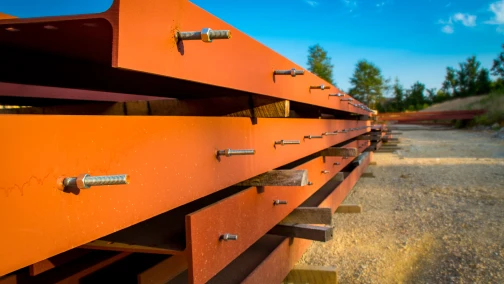
Los ingenieros estructurales y los diseñadores de andamios especifican consistentemente perfiles laminados en caliente 16# y 18# como miembros principales de soporte horizontal para el andamiaje en voladizo de gran altura. Estos dos perfiles ofrecen el equilibrio óptimo entre capacidad de carga, coste de materia prima y peso de manipulación manual en obra. Comprender las diferencias mecánicas precisas, las dimensiones físicas y las tolerancias de fabricación entre las designaciones 16# y 18# determina los márgenes de seguridad de toda la estructura de andamiaje exterior.
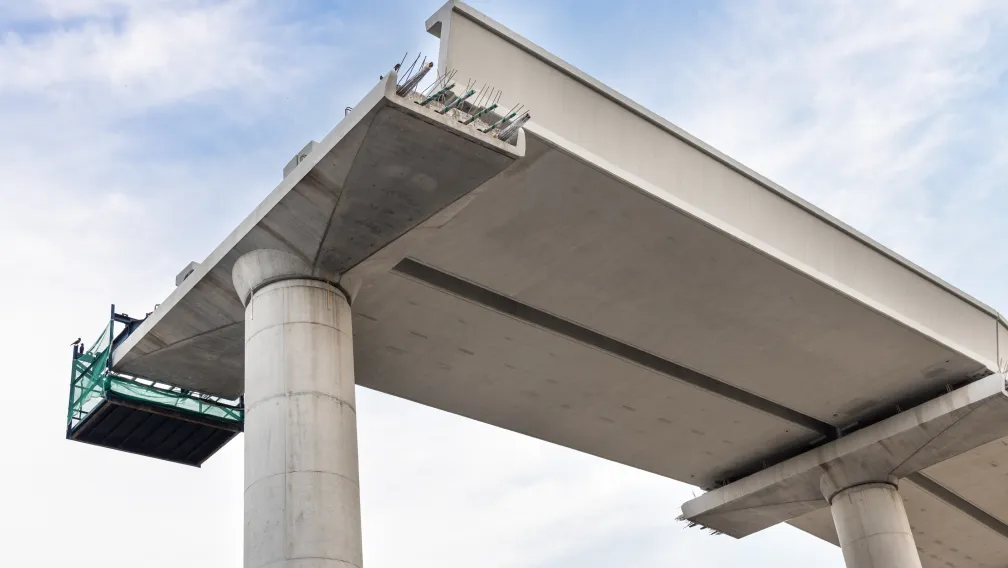
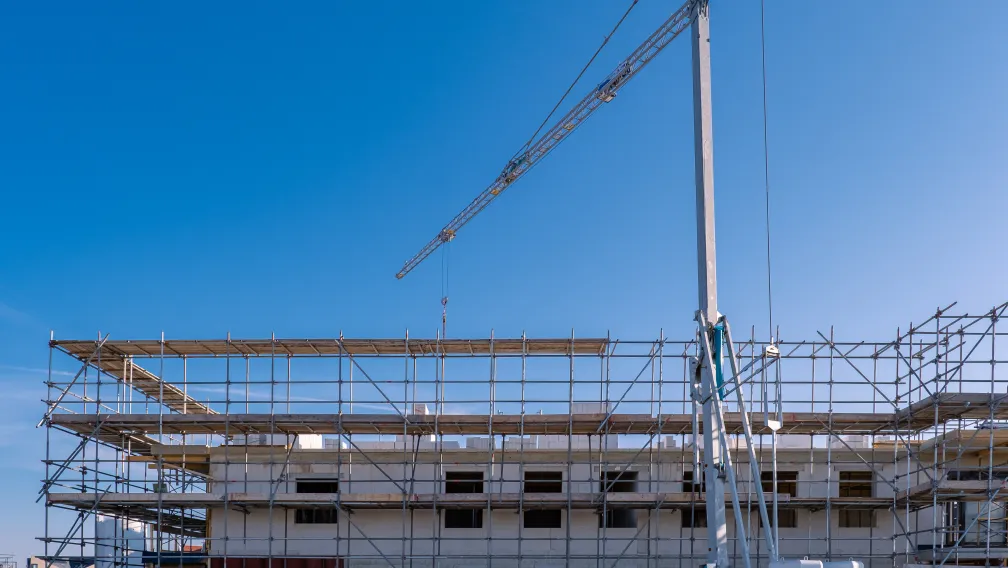
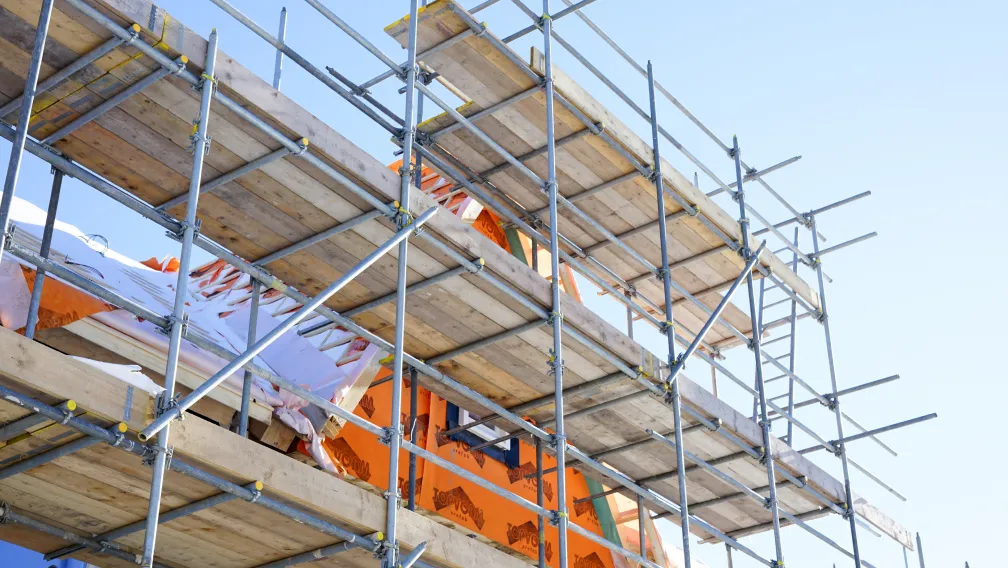
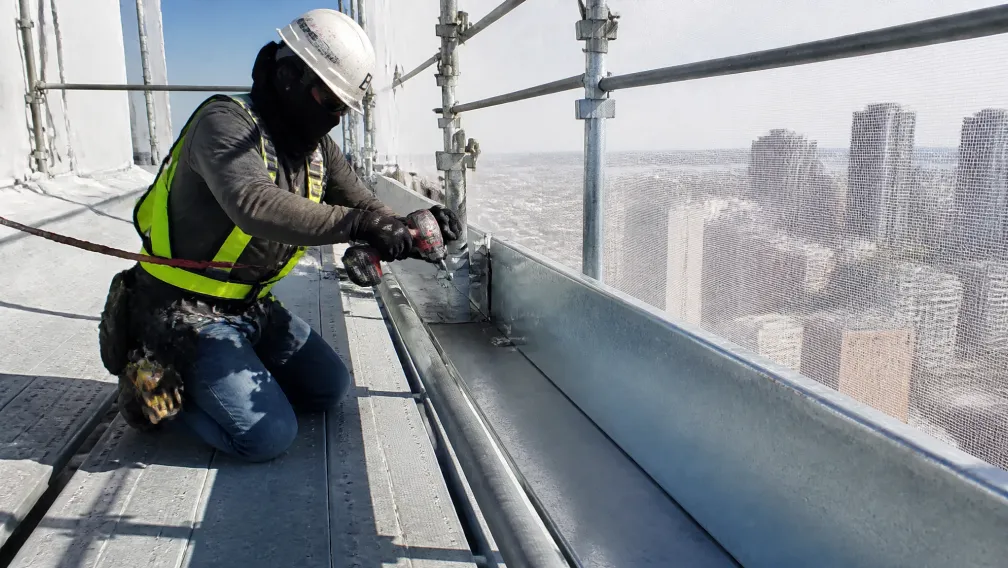
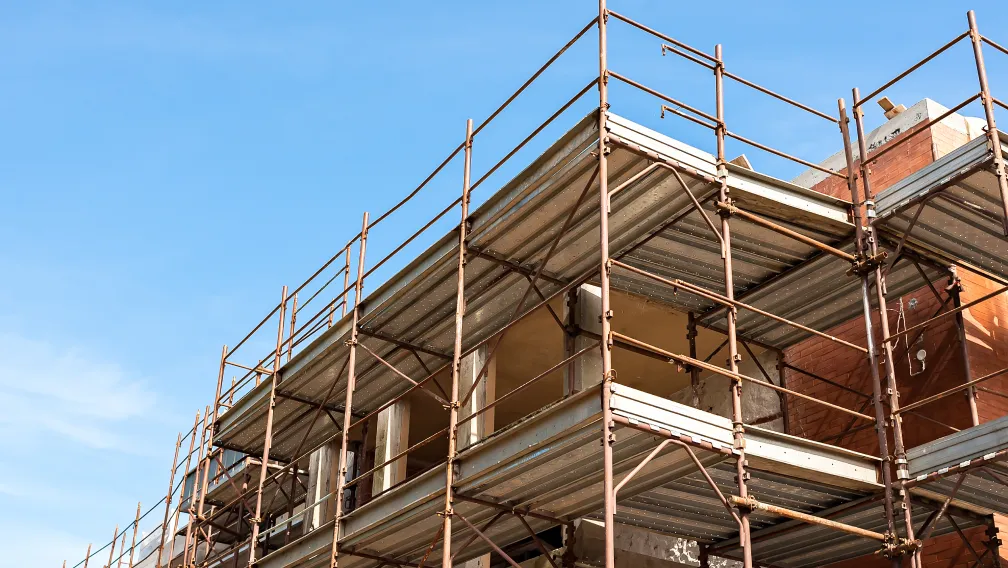
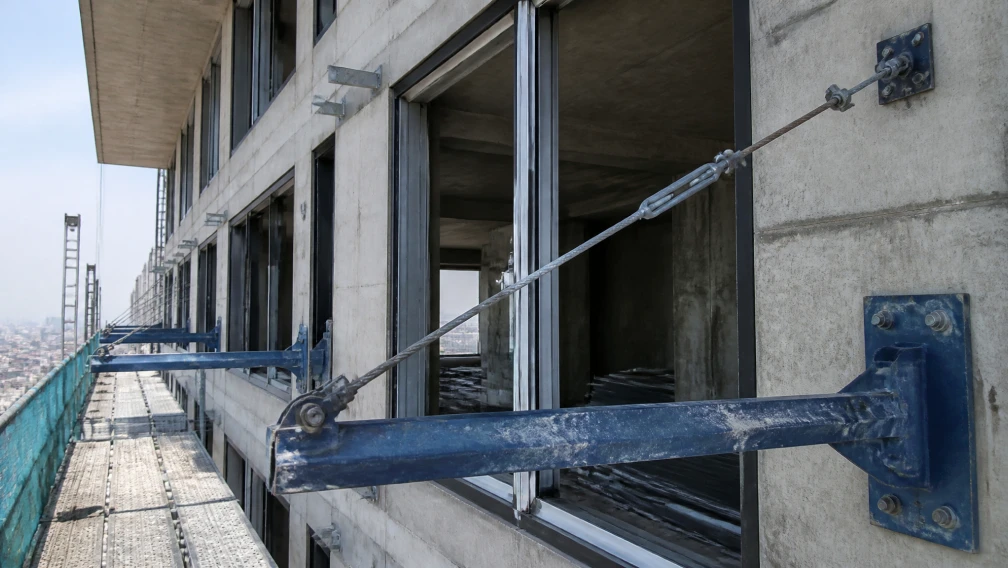
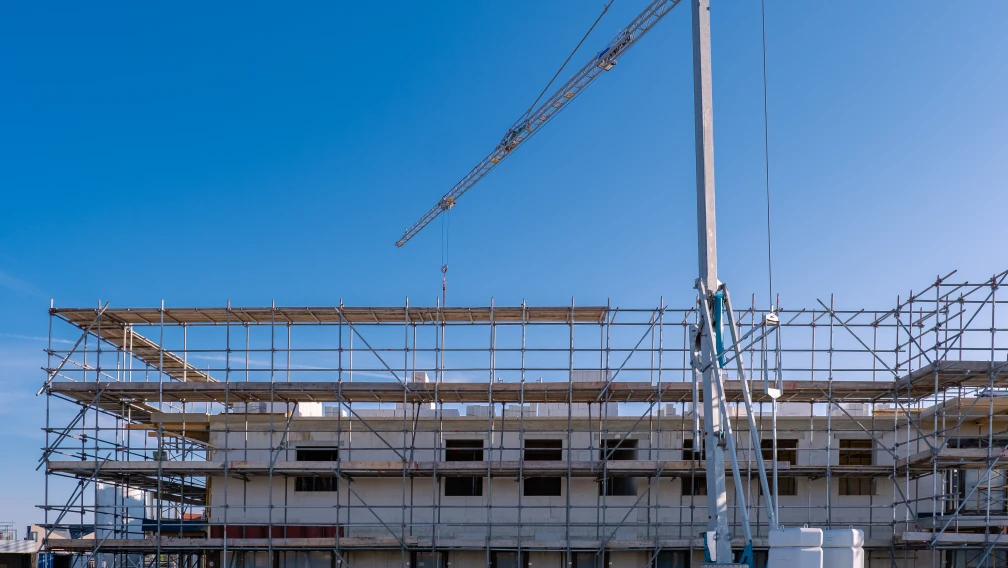
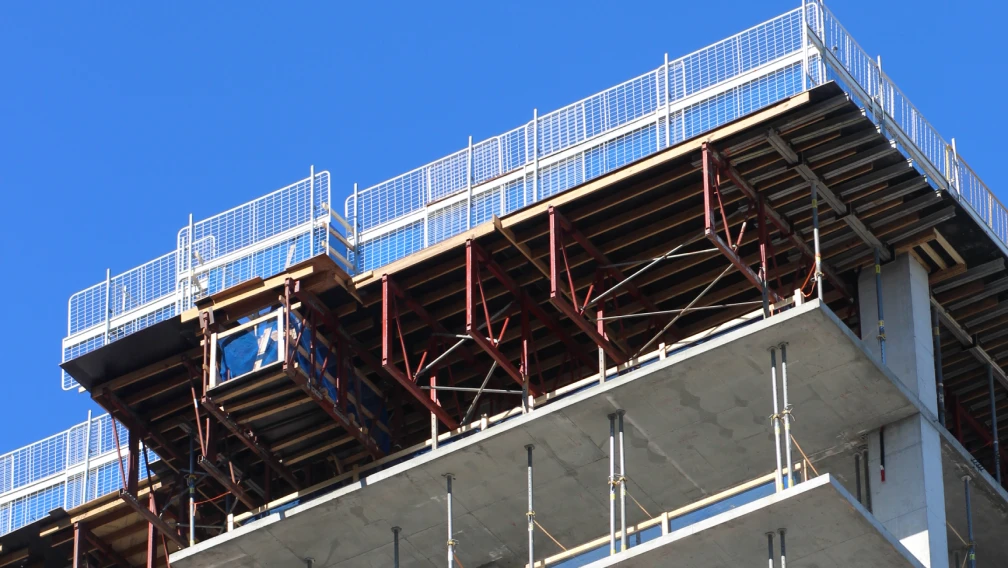
Cuando un andamio perimetral se extiende hacia afuera desde un forjado de hormigón, toda la carga muerta de los tubos de acero, las plataformas de trabajo y las redes de seguridad se transfiere directamente a estas ménsulas horizontales. Las vigas deben resistir severos momentos flectores y fuerzas de flecha descendente. La profundidad de la sección de acero dicta directamente el momento de inercia, que determina cuánto peso puede soportar la plataforma antes de que el acero comience a doblarse más allá de los límites de seguridad aceptables.
Respuesta directa: ¿Cuál es la diferencia entre las viguetas en voladizo 16# y 18#?
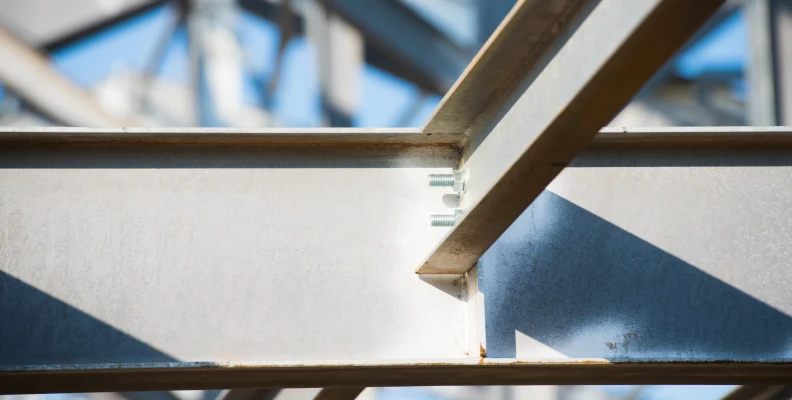
La diferencia principal reside en su profundidad física, peso y resistencia a la flexión. Una vigueta en voladizo 16# estándar tiene 160 mm de profundidad, pesa 20,5 kg/m y proporciona un módulo resistente (Wx) de 141 cm³. Es la especificación base para el andamiaje perimetral estándar. Una vigueta en voladizo 18# tiene 180 mm de profundidad, pesa 24,1 kg/m y proporciona un módulo resistente de 178 cm³. El perfil 18# ofrece un 26% más de resistencia a las cargas de flexión, lo que lo convierte en el requisito obligatorio para voladizos extendidos, zonas de mampostería pesada y áreas geográficas sujetas a cortantes de viento extremos.
Propiedades mecánicas y dimensiones físicas
La producción de acero estandarizada bajo códigos internacionales y nacionales chinos (como GB/T 706) garantiza que los perfiles estructurales mantengan proporciones geométricas estrictas. La designación numérica se correlaciona directamente con la profundidad de la viga en centímetros. Una viga más profunda coloca la masa de las alas horizontales más lejos del eje neutro, aumentando exponencialmente la resistencia de la sección a la flecha vertical.
| Especificación | Vigueta 16# | Vigueta 18# |
|---|---|---|
| Profundidad total (h) | 160 mm | 180 mm |
| Ancho de ala (b) | 88 mm | 94 mm |
| Espesor de alma (tw) | 6.0 mm | 6.5 mm |
| Peso estándar | 20.5 kg/m | 24.1 kg/m |
| Módulo resistente (Wx) | 141 cm³ | 178 cm³ |
| Momento de inercia (Ix) | 1130 cm⁴ | 1660 cm⁴ |
Los equipos de compra de ingeniería deben cotejar estos valores estáticos con los límites de carga de trabajo previstos de la retícula del andamio. La vigueta 16# sirve adecuadamente para fachadas residenciales estándar donde las cargas de trabajo son ligeras y los anclajes de tirantes estándar proporcionan soporte vertical cercano. Sin embargo, las torres comerciales que implican almacenamiento de encofrados pesados, unidades de acristalamiento exterior o plataformas de carga de gran luz exigen la rigidez superior del perfil 18#. Para cargas puntuales excepcionalmente pesadas, los responsables de obra migran por completo de los perfiles estándar al perfil H de acero de alta resistencia para prevenir el pandeo lateral-torsional.
Comprender las tolerancias negativas de fabricación
Un factor crítico en la compra B2B de acero es la gestión de las tolerancias negativas de fabricación. Las acerías de laminación en caliente operan globalmente con desviaciones geométricas permitidas. Bajo los códigos estructurales estándar, una acería puede producir legalmente una vigueta 16# con un espesor de alma ligeramente inferior a la dimensión nominal de 6,0 mm y un ala ligeramente más estrecha que 88 mm. Esta es práctica estándar de la industria.
Sin embargo, la tolerancia negativa extrema (a veces llamada "tolerancia en menos" en los mercados de exportación) ocurre cuando proveedores no verificados laminan intencionadamente el acero muy por debajo de los límites ingenieriles aceptables para ahorrar peso de materia prima mientras facturan al comprador el peso teórico estándar. Una viga laminada con una tolerancia negativa severa pierde cantidades masivas de su módulo resistente. Una viga 18# subdimensionada puede comportarse mecánicamente más cerca de una viga 16# estándar, resultando en cálculos estructurales peligrosos en obra. Los compradores B2B deben especificar "facturación por peso real" o imponer límites estrictos de tolerancia negativa (por ejemplo, máximo -5%) en sus contratos de compra para garantizar que las viguetas en voladizo entregadas coincidan con los cálculos de seguridad de su proyecto en altura.
Límites de control de flecha en diseños en voladizo
Las estructuras en voladizo se rigen por límites de flecha más que por la resistencia última a la fluencia. Una viga de acero puede sostener una carga pesada sin romperse, pero si se dobla demasiado hacia abajo, todo el andamio vertical apoyado sobre ella se inclinará alejándose de la fachada del edificio. Esto crea una carga excéntrica sobre los acopladores y los tubos verticales del andamio, conduciendo al colapso catastrófico del sistema.
Los códigos de construcción internacionales (como las normas OSHA y las normas europeas EN) limitan estrictamente la flecha máxima admisible en la punta del voladizo. La regla estándar impone un desplazamiento vertical máximo de L/250, donde L es la longitud de proyección de la viga en el espacio abierto. Para una viga que se extiende 1,5 metros desde el forjado de hormigón, la punta no puede flectar hacia abajo más de 6 milímetros bajo las cargas de trabajo máximas previstas.
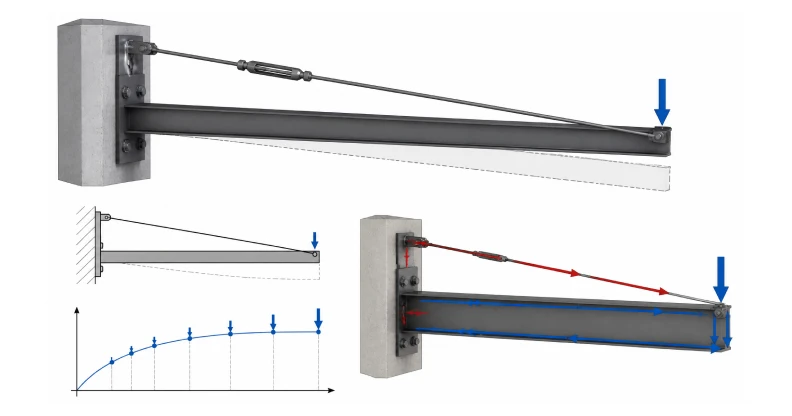
Para controlar esta flecha, los ingenieros de obra mantienen la proyección exterior tan corta como sea posible. Actualizan de perfiles 16# a 18# cuando empujan la proyección más allá de 1,5 metros. Además, instalan tirantes diagonales de acero de alta resistencia que conectan la punta exterior de la vigueta de vuelta al muro de hormigón, convirtiendo la tensión de flexión en una tensión axial fácilmente gestionable.
Prefabricación en fábrica: taladrado y pasadores de posicionamiento
Las vigas de acero en bruto requieren una modificación de campo significativa antes de poder funcionar como soportes de andamiaje. Comprar viguetas en bruto estándar de 6 metros y cortarlas en obra genera costes laborales masivos, crea entornos peligrosos de trabajo en caliente y a menudo resulta en puntos de anclaje desalineados. La compra B2B moderna se centra en soluciones modulares totalmente prefabricadas.
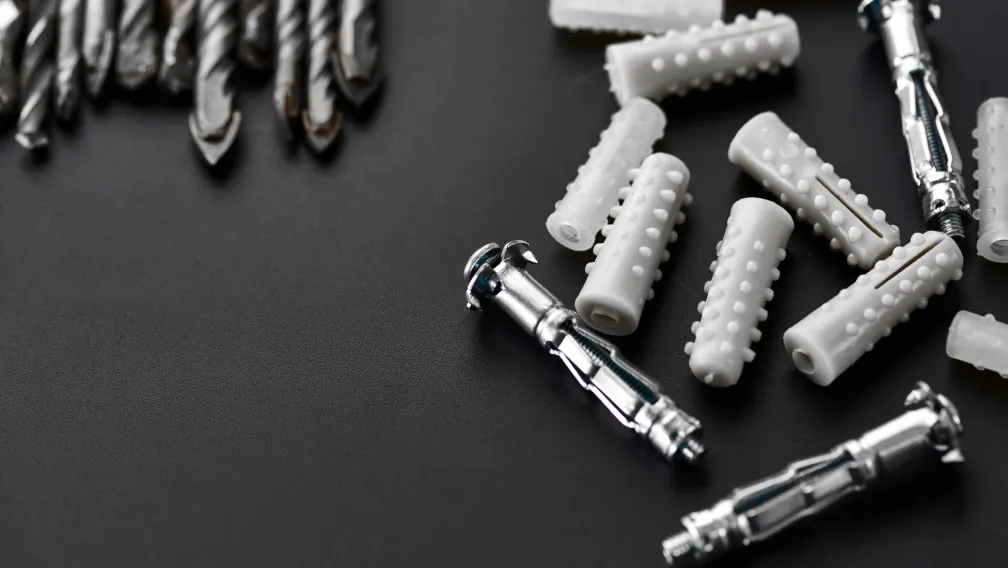
La prefabricación en fábrica implica cortar las vigas a las longitudes exactas del proyecto en un entorno controlado. Más importante aún, los fabricantes pretaladran las pesadas placas de base y las almas de las vigas para acomodar anclajes de muro embebidos estándar o pernos estructurales pasantes. Taladrar en campo una vigueta 18# con un taladro magnético consume horas-hombre y consumibles de herramienta excesivos.
Además, la soldadura en fábrica de pasadores de posicionamiento de andamio directamente sobre el ala superior de la vigueta garantiza un montaje rápido en obra. Estos pasadores cortos y verticales actúan como espigas de localización. Los tubos verticales del andamio se deslizan directamente sobre estos pasadores, bloqueando la base del andamio de forma segura sobre la viga de acero y previniendo cualquier deslizamiento lateral causado por vientos fuertes o el movimiento de trabajadores.
Tratamientos superficiales para entornos de construcción agresivos
Las ménsulas en voladizo operan expuestas a elementos climáticos severos durante todo el ciclo de construcción. El acero estándar con acabado de molino se oxida rápidamente cuando se expone a la lluvia, la niebla salina costera o el polvo de cemento altamente alcalino presente en obras activas. El óxido superficial profundo reduce el espesor estructural de las alas con el tiempo, reduciendo la capacidad de carga y haciendo las vigas inseguras para su reutilización en proyectos futuros.
La pintura industrial ofrece protección básica pero se astilla fácilmente durante la manipulación manual y el izaje con grúa. El galvanizado en caliente (HDG) es la especificación óptima para componentes de andamiaje de alta resistencia. El proceso HDG sumerge la vigueta fabricada en un baño de zinc fundido, creando un recubrimiento de aleación grueso y metalúrgicamente adherido que resiste impactos mecánicos severos. Un espesor mínimo de recubrimiento de zinc de 80 micras garantiza que las vigas puedan soportar múltiples ciclos de construcción en climas diversos sin degradación estructural.
Integración con componentes de anclaje diagonal
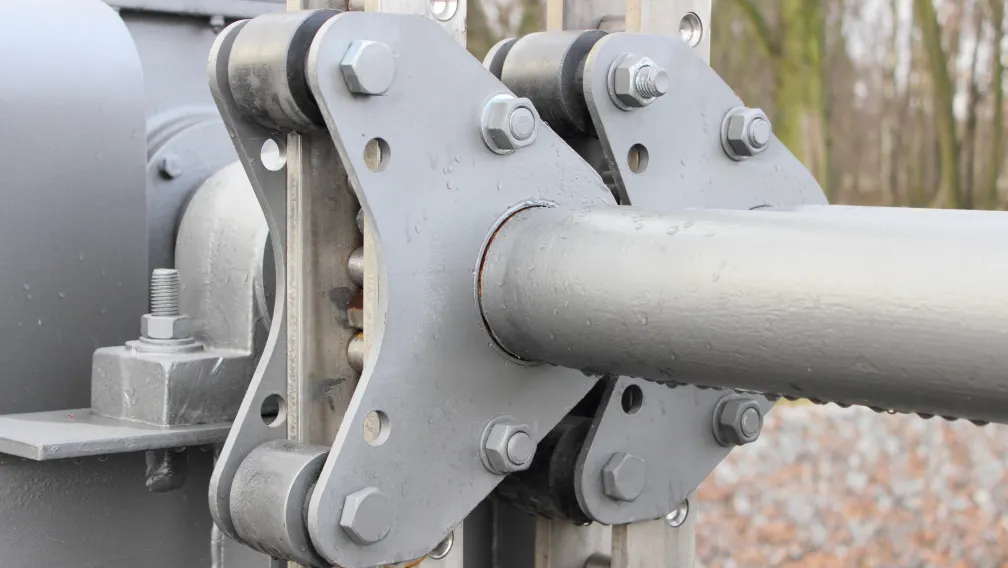
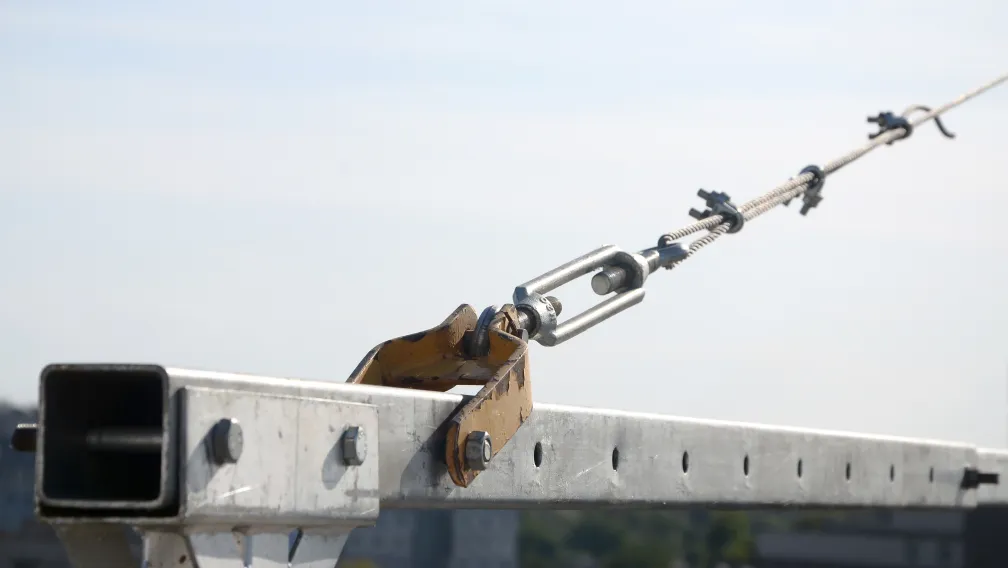
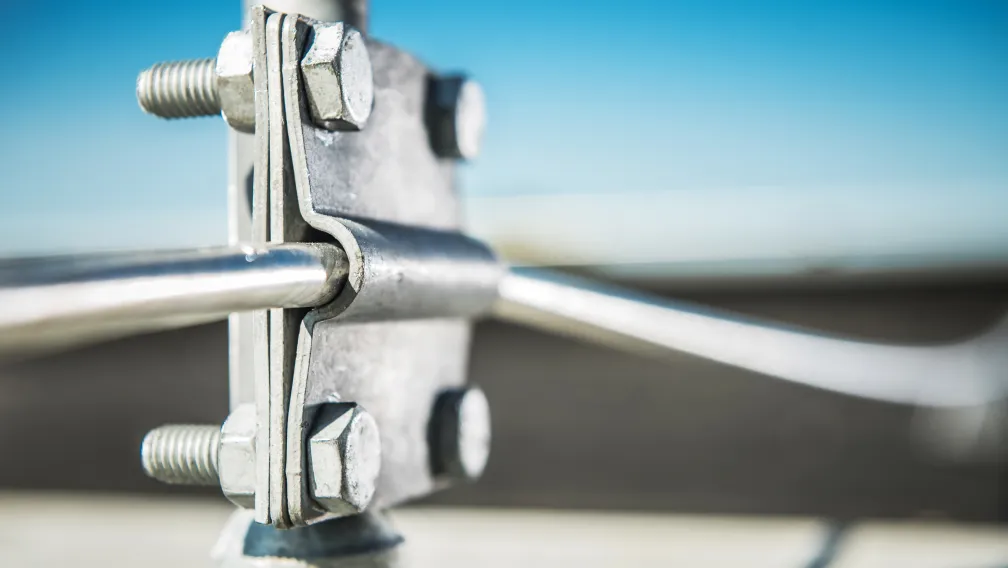
La vigueta estructural representa solo la base del área de andamiaje. La trayectoria mecánica completa de la carga incluye los componentes de tensión diagonal. Una placa de anclaje de doble oreja se suelda típicamente en fábrica al ala superior cerca de la punta exterior de la viga 16# o 18#. Esta placa acepta un pasador de horquilla de alta resistencia.
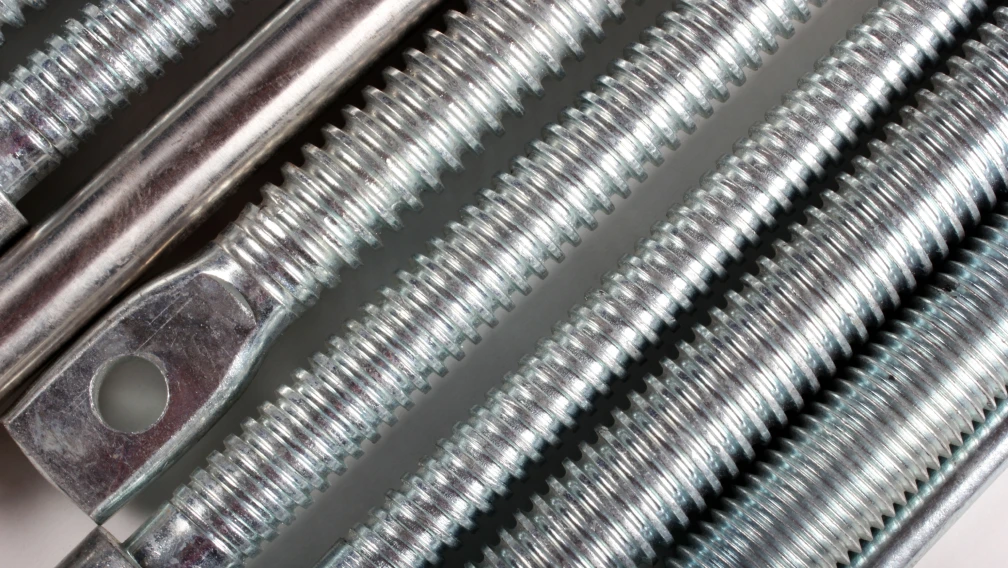
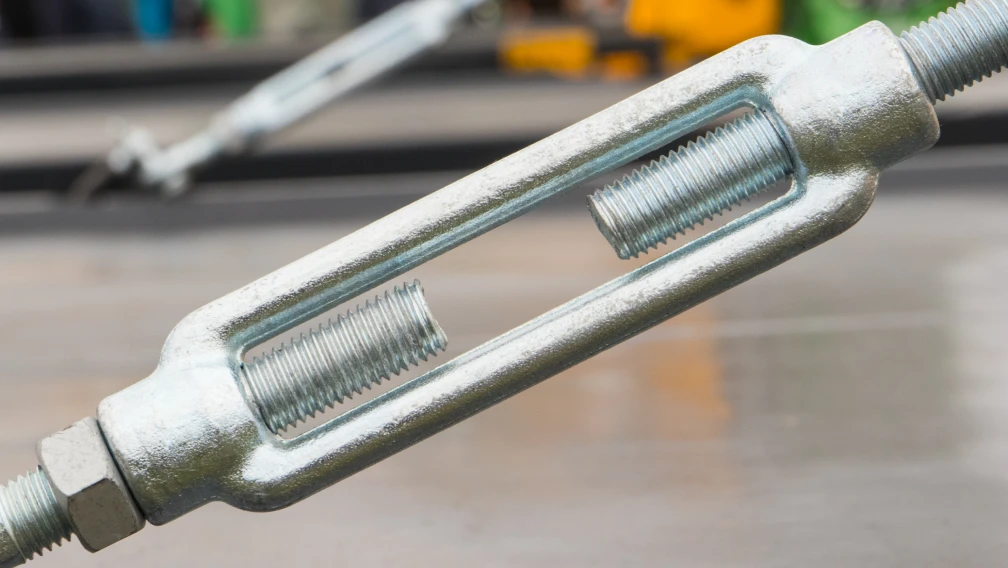
Un tirante ajustable se conecta a este pasador de horquilla y corre diagonalmente hacia arriba hasta un anclaje embebido en el forjado de hormigón superior. Las cuadrillas de obra integran un tensor de cuerpo cerrado en esta línea de tensión. Al girar el manguito del tensor, los operarios eliminan toda la holgura física del tirante y aplican una tensión precalculada al sistema. Esta acción arquea ligeramente la viga en voladizo hacia arriba, neutralizando la flecha descendente anticipada antes de que cualquier material de andamiaje se apile sobre la plataforma.
Aseguramiento de calidad y documentación de compra
Abastecerse de acero estructural para fachadas en altura requiere un rastro documental riguroso para satisfacer a los inspectores municipales de seguridad y a las aseguradoras del proyecto. Los compradores B2B deben exigir trazabilidad completa del material a sus socios fabricantes.
Cada envío de viguetas en voladizo debe incluir un Certificado de Ensayo de Molino (MTC). El MTC detalla el número exacto de colada, la composición química (porcentajes de carbono, manganeso, silicio) y los resultados de ensayos físicos (límite elástico, resistencia a la tracción y porcentaje de alargamiento) del lote de acero. Para las designaciones de acero Q235B o Q355B, el certificado demuestra que el material cumple los requisitos metalúrgicos base para una soldadura segura y el soporte de cargas de alta tensión. Comprar acero no certificado para andamiaje en voladizo crítico invita a severas responsabilidades legales y paralizaciones de proyecto.
Cómo leer correctamente la nomenclatura china de perfiles
Las designaciones 16# y 18# provienen de la serie de viguetas laminadas en caliente GB/T 706, y el número codifica la altura de la sección en centímetros: una viga 16# mide 160 mm de altura, una 18# mide 180 mm. Detrás de la etiqueta simple se esconden los detalles dimensionales que deciden el comportamiento estructural. Una sección 16# estándar lleva un alma de unos 6 mm de espesor, alas cercanas a 88 mm de ancho y un peso teórico de aproximadamente 20,5 kg por metro. La sección 18# sube a un alma de unos 6,5 mm, alas cercanas a 94 mm y aproximadamente 24,1 kg por metro. Ese aumento del 18 por ciento en peso compra una ganancia desproporcionadamente mayor en resistencia a la flexión, porque el momento de inercia crece con el cubo de la altura. En términos prácticos, pasar de 16# a 18# eleva el módulo resistente en aproximadamente un 26 por ciento, razón por la cual la elección entre ambos es un cálculo estructural y nunca una ocurrencia tardía de precio.
Cómo igualar la sección al caso de carga
La selección parte de la plataforma de trabajo que la viga debe soportar. Para un nivel estándar de fachada residencial con 20 m de altura de trabajo, vigas espaciadas a 1,5 m y una proyección de 1,2 m o menos, la sección 16# se resuelve cómodamente bajo casos de carga típicos de 200 kg por metro cuadrado, manteniendo la flecha de punta dentro del límite L/250 que exigen los códigos internacionales. Empuje la proyección hacia 1,8 m, amplíe el espaciado de vigas a 2 m o añada almacenamiento de material sobre la plataforma, y el momento flector en el extremo empotrado crece con pendiente pronunciada. En esa envolvente, la sección 18# se convierte en la respuesta correcta, soportando la demanda sin recurrir a un espaciado de vigas más cerrado que multiplica el trabajo de anclaje en cada piso. Los ingenieros de obra que deciden entre ambos deben calcular con el izaje más pesado previsto, incluyendo la mampostería paletizada o las cubetas de mortero que las cuadrillas inevitablemente aparcan sobre la plataforma, porque la viga dimensionada solo para cargas de plano encuentra su verdadera prueba en la primera mañana ocupada de la obra.
Por qué el módulo resistente importa más que el peso
Los equipos de compra suelen comparar vigas por peso por metro, pero la cifra que realmente controla el comportamiento del andamio es el módulo resistente, que divide el momento de inercia por la distancia a la fibra más alejada. Dos vigas de peso idéntico pueden diferir agudamente en módulo si una lleva su acero en alas anchas y delgadas y la otra en un perfil profundo y compacto. La serie GB/T 706 es dimensionalmente fija, de modo que una viga 16# genuina siempre entrega su módulo publicado; el riesgo entra cuando los proveedores laminan secciones sustitutas fuera de la norma, recortando el ancho de ala o el espesor de alma mientras conservan la etiqueta. Una verificación rápida de campo protege al comprador: mida el ancho de ala y el espesor de alma con un calibre en tres puntos de una viga aleatoria, y pese una longitud conocida en la báscula de obra. Una viga que coincide con las dimensiones nominales dentro de un uno o dos por ciento es material estándar; una que resulta ligera en cada medición está laminada a tolerancia negativa y rendirá por debajo del cálculo contra el que fue vendida.
Ajuste de conexiones: placas de extremo, agujeros y pasadores
Una viga en voladizo gana su capacidad solo a través de sus conexiones, y los detalles de fabricación en los extremos deciden si la sección teórica rinde en el muro. El extremo de base lleva una placa de extremo soldada o placas de oreja con agujeros igualados a los anclajes embebidos, y esos agujeros deben taladrarse al patrón del anclaje con precisión posicional dentro de un milímetro, o las vigas no asentarán sin escariado en obra que daña el galvanizado y desperdicia horas de cuadrilla. El ala superior recibe pasadores de posicionamiento soldados al espaciado estándar del sistema de andamio, localizando cada tubo vertical exactamente sobre la línea central de la viga para que las cargas viajen directamente al alma. La calidad de soldadura en estos accesorios merece inspección a la recepción: soldaduras de filete continuas del tamaño de garganta especificado, libres de socavado y porosidad, porque un pasador con soldadura de puntos que se rompe ante una caída descuidada de un tubo convierte un componente de precisión en un peligro. Los fabricantes reputados suministran el plano de taladrado con la cotización, y sus dimensiones deben verificarse contra el esquema de anclajes antes de comenzar la producción.
Vida a fatiga y la decisión de reutilización
Las viguetas en voladizo llevan una vida más dura que la mayoría del acero estructural: se cargan y descargan en cada ciclo de piso, se manipulan con grúa y a mano, y se exponen a la intemperie durante toda la duración de cada proyecto. Una viga bien fabricada en Q235B o Q355B sobrevive a este trato durante muchos ciclos, pero la reutilización debe ser una decisión gestionada en lugar de una suposición. Entre proyectos, cada viga merece una inspección de cinco minutos: rectitud verificada a ojo a lo largo del ala, soldaduras examinadas en busca de fisuras en la placa de extremo y los pasadores, agujeros revisados por alargamiento que señala sobrecarga, y recubrimiento evaluado por aparición de óxido en las zonas de conexión donde se asienta el agua. Las vigas que muestran arqueo permanente, soldaduras fisuradas u agujeros ovalados pertenecen a la pila de chatarra, porque el coste de una viga de reemplazo es trivial frente a la consecuencia de un fallo a veinte pisos de altura. Las flotas rastreadas con números de identificación pintados permiten a los responsables de obra retirar vigas individuales por estado en lugar de desechar lotes enteros solo por antigüedad.
Economía del flete y planificación de contenedores
Para compradores internacionales, la elección de sección también cambia la aritmética logística. Las vigas en voladizo en las longitudes de 3 a 6 m típicas del trabajo de andamiaje cargan eficientemente en contenedores de 40 pies, y la diferencia de peso entre secciones 16# y 18# se acumula a lo largo de un pedido completo: un contenedor de vigas 16# lleva más piezas por tonelada que el mismo contenedor de 18#. Cuando el cálculo estructural permite cualquiera de las secciones, la opción más ligera ahorra tanto en precio de acero como en flete por unidad de fachada servida. Cuando el cálculo exige 18#, el coste extra de flete es simplemente el precio de la adecuación estructural. Los proveedores experimentados cotizan ambas opciones con planes de carga de contenedor, permitiendo al comprador ver el coste total en destino por viga en lugar de una cifra ex-works desnuda que esconde la diferencia de flete. Los contenedores mixtos que combinan vigas con accesorios de voladizo como tirantes y anclajes suelen cargar con mayor eficiencia, llenando el volumen con herraje mientras las vigas aportan el peso.
Documentación que protege al comprador
El papeleo que acompaña un pedido de vigas en voladizo es la única palanca del comprador una vez que el acero está atornillado a un muro a veinte pisos de altura. Un paquete completo de documentación para vigas 16# o 18# incluye el certificado de molino del perfil madre, registros de procedimiento de soldadura y calificación de soldadores para las placas de extremo y los pasadores, informes de inspección dimensional contra el plano de taladrado aprobado, y lecturas de espesor de recubrimiento donde se especifica galvanizado. Los compradores que reciben envíos sin este rastro no tienen recurso cuando una viga rinde por debajo de lo esperado, porque la disputa colapsa en afirmación contra negación. La regla práctica es hacer de la documentación una condición de pago: certificados de molino antes del envío, registros de fabricación con el conocimiento de embarque, e informes de inspección de terceros donde el valor del pedido justifique la tarifa. Los proveedores con sistemas de calidad genuinos producen este papeleo como rutina, y su disposición a hacerlo es en sí misma una señal de selección que vale más que una diferencia marginal de precio.
Preguntas frecuentes
¿Qué determina la elección entre una vigueta en voladizo 16# y una 18#?
La elección está determinada por el vano proyectado del voladizo y la carga de trabajo máxima prevista. Las vigas 16# sirven perímetros residenciales estándar con vanos cortos, mientras que las vigas 18# proporcionan la rigidez adicional necesaria para proyecciones más largas y zonas de carga pesada.
¿Qué significa tolerancia negativa al comprar viguetas estructurales?
La tolerancia negativa se refiere a que la acería lamina el alma y las alas ligeramente más delgadas que las dimensiones nominales estándar. Los compradores deben limitar esta desviación por contrato, porque una reducción excesiva del espesor recorta severamente el módulo resistente y la capacidad de carga real de la viga.
¿Por qué se sueldan pasadores de posicionamiento a las viguetas en voladizo?
Los pasadores de posicionamiento (espigas) se sueldan al ala superior para actuar como puntos de localización exactos para los tubos verticales del andamio. Los tubos se deslizan sobre los pasadores, bloqueando la base del andamio sobre la viga y previniendo el deslizamiento lateral por viento o movimiento de trabajadores.
¿Cuál es la flecha máxima admisible para una viga de andamio en voladizo?
Bajo códigos internacionales de construcción como OSHA, la flecha vertical descendente en la punta de la viga en voladizo debe permanecer dentro de L/250 de la longitud proyectada. Para una proyección de 1,5 metros, esto equivale a un máximo de 6 milímetros bajo la carga de trabajo completa.
¿Puedo sustituir una vigueta 18# por una 16# si añado más tirantes?
No. Aunque añadir tirantes reduce el momento flector en el anclaje de base, la sección física de acero debe poseer por sí misma el módulo resistente suficiente para controlar la flecha entre puntos de apoyo. Los tirantes complementan la sección; no la reemplazan.
¿Qué grado de acero es estándar para estas viguetas en voladizo?
Las ménsulas perimetrales estándar se fabrican típicamente en acero estructural al carbono Q235B por su excelente soldabilidad y comportamiento dúctil. Los proyectos con demandas de carga más altas o requisitos sísmicos especifican Q355B por su mayor límite elástico.
¿Cómo se protegen estas vigas contra el óxido en obras costeras?
El galvanizado en caliente (HDG) es el tratamiento superficial especificado para componentes de construcción de alta resistencia. El proceso aplica un recubrimiento de zinc metalúrgicamente adherido de al menos 80 micras, que resiste la niebla salina, la lluvia y el polvo alcalino de cemento durante múltiples ciclos de proyecto.
Conecte con nuestro equipo de ingeniería para corte de perfiles a medida
Lengge Steel fabrica sistemas certificados de andamiaje en voladizo, entregando viguetas en voladizo prefabricadas 16# y 18#, soportes de perfil H de alta resistencia y herrajes completos de anclaje a tensión para obras de todo el mundo. Ofrecemos servicios exactos de corte a medida, pasadores de posicionamiento soldados en fábrica, taladrado CNC de precisión para anclajes y galvanizado en caliente premium. Proporcione a nuestro equipo de ingeniería los retranqueos y requisitos de carga de su proyecto para recibir un despiece completo de herrajes y una cotización estructural de mayorista. Visite nuestra página de contacto para optimizar su próximo inventario de andamiaje en altura.
-

Lengge
Fabricante de sistemas de andamios en voladizo
Lengge es una fábrica con sede en China que produce vigas I para andamios en voladizo, tirantes, conectores, piezas empotradas y accesorios completos de andamios. Suministramos a contratistas, mayoristas y empresas de alquiler en más de 50 países desde nuestras instalaciones de producción en Hebei.