LANGUAGE

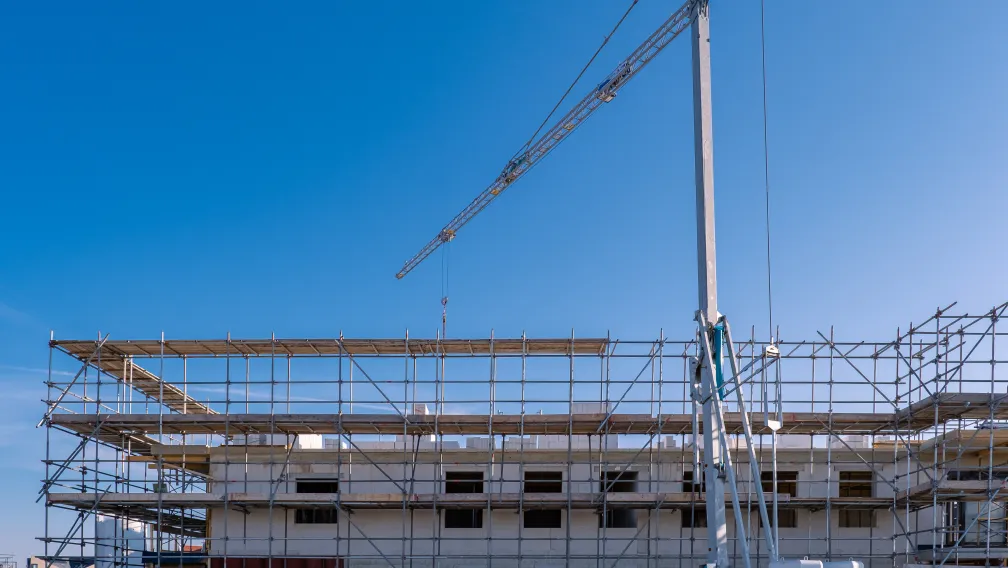
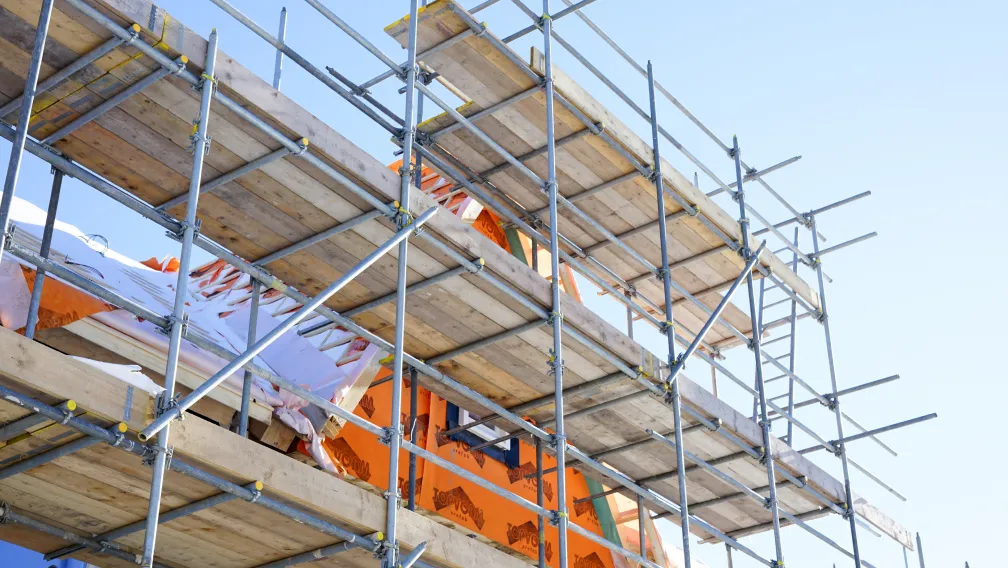
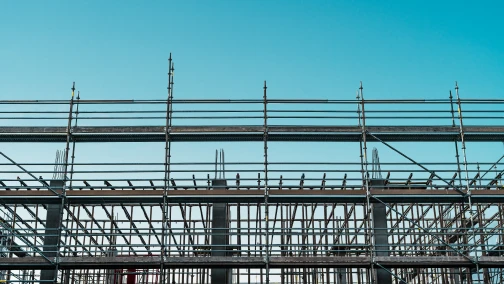
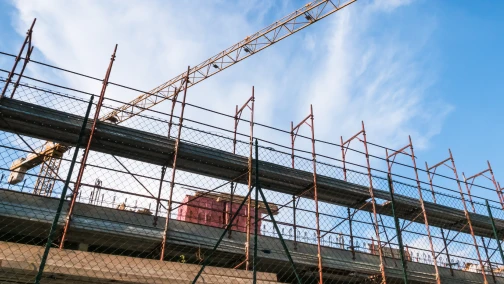
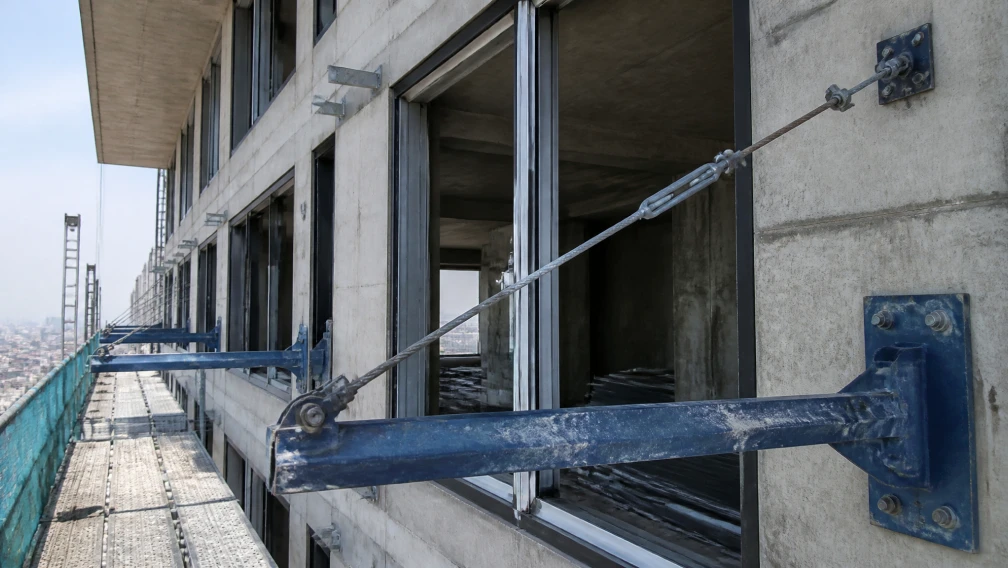
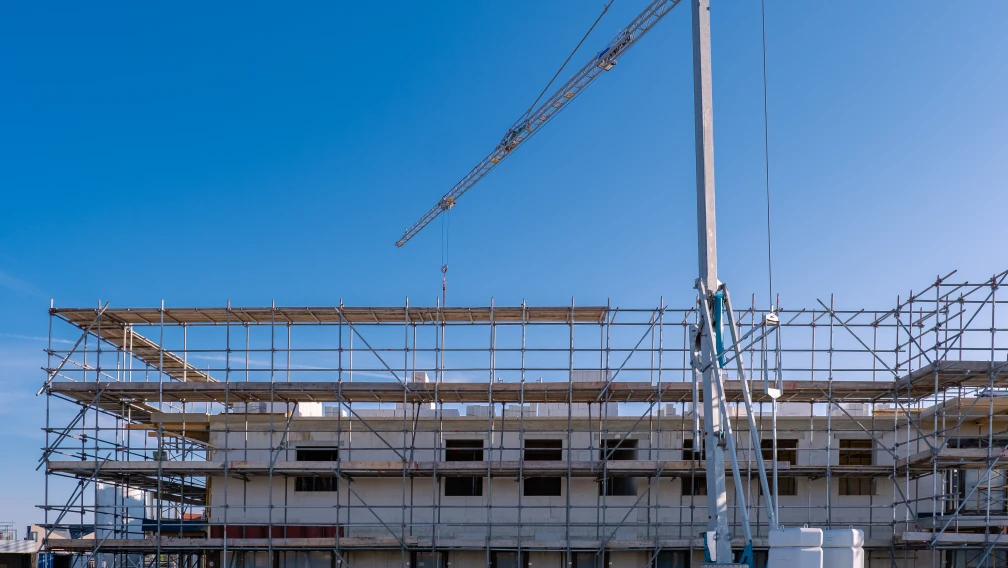
For buildings too tall to scaffold from the ground, or facades that step, corner, or sit over a live street, we supply a cantilever scaffolding system that hangs the exterior scaffold off the structure on steel beams. It's a tiered, embedded tie-rod setup: short beams bolted to each level, tied back with adjustable rods, and re-cantilevered as the building rises. Here is what it solves, what's in the kit, and where it fits.
The challenge on tall and complex buildings
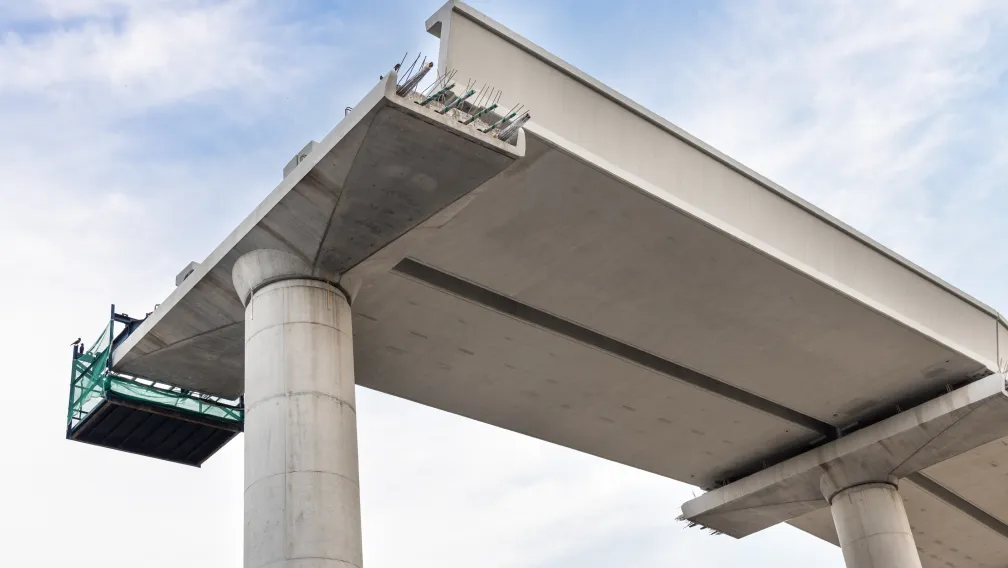
Past a certain height, standing a scaffold from the pavement to the roof stops being safe or affordable. And on a lot of real sites, the ground isn't even available. These are the problems this solution is built for:
- The building is too tall for a ground-supported scaffold to reach the upper floors safely
- The ground is occupied, over a live street, an entrance, or underground parking access that has to stay clear
- The ground can't carry the load, or there's no room to stand a scaffold at all
- The facade steps in and out, with corners, setbacks, and transfer floors that break a standard beam layout
- The older fixes cost too much: long buried beams waste steel and block interior trades, and cast-in wire rope can't be reused
The solution: an embedded tie-rod cantilever system
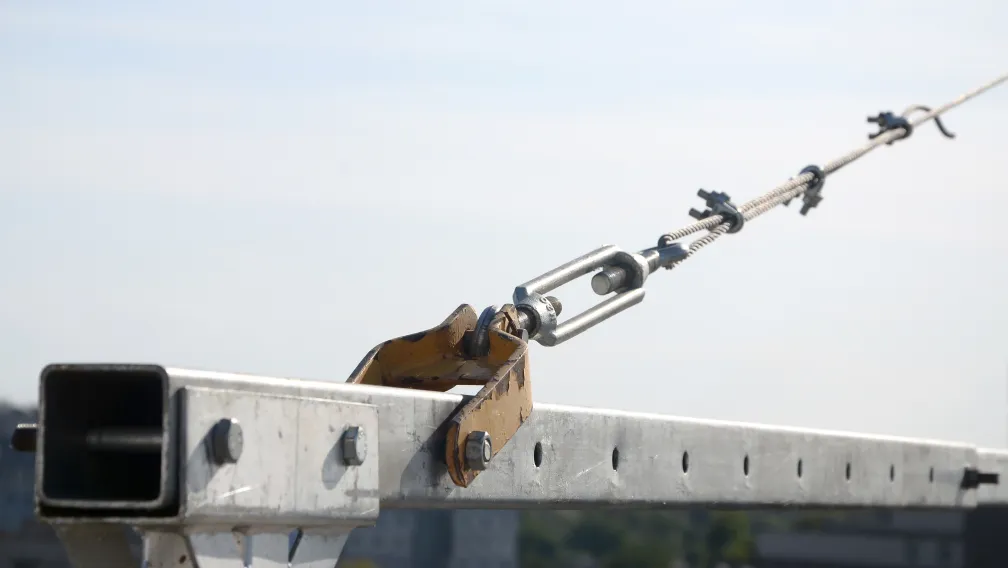
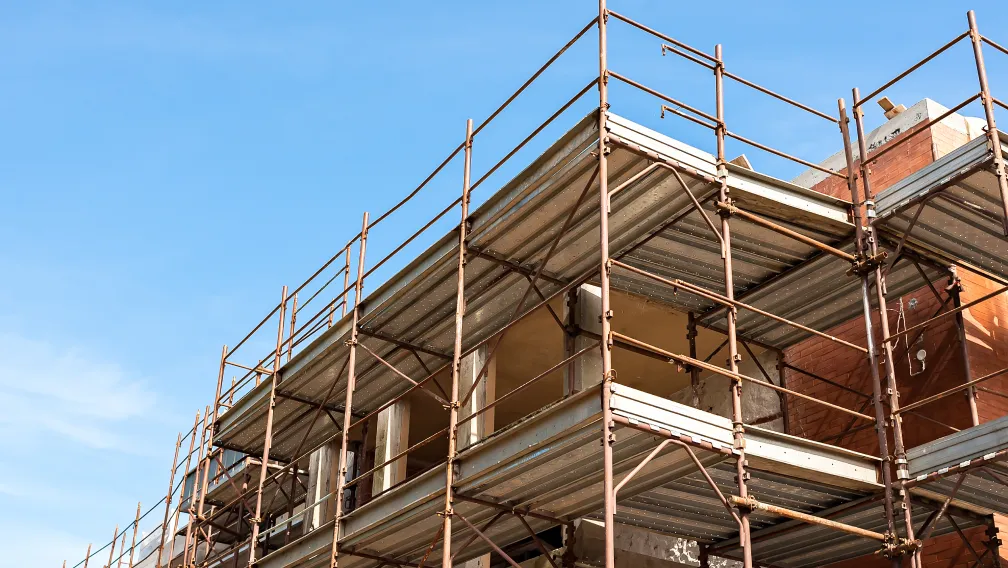
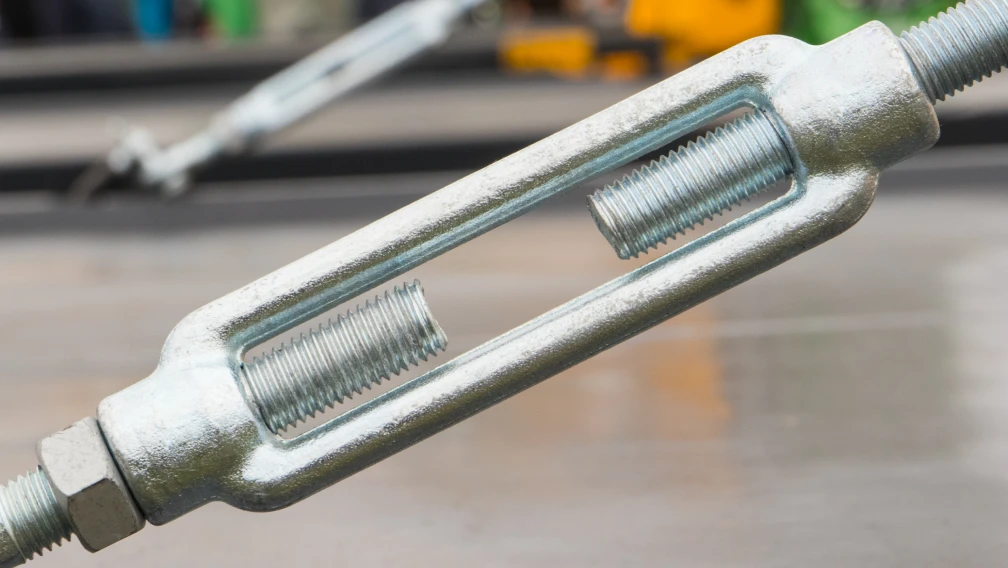
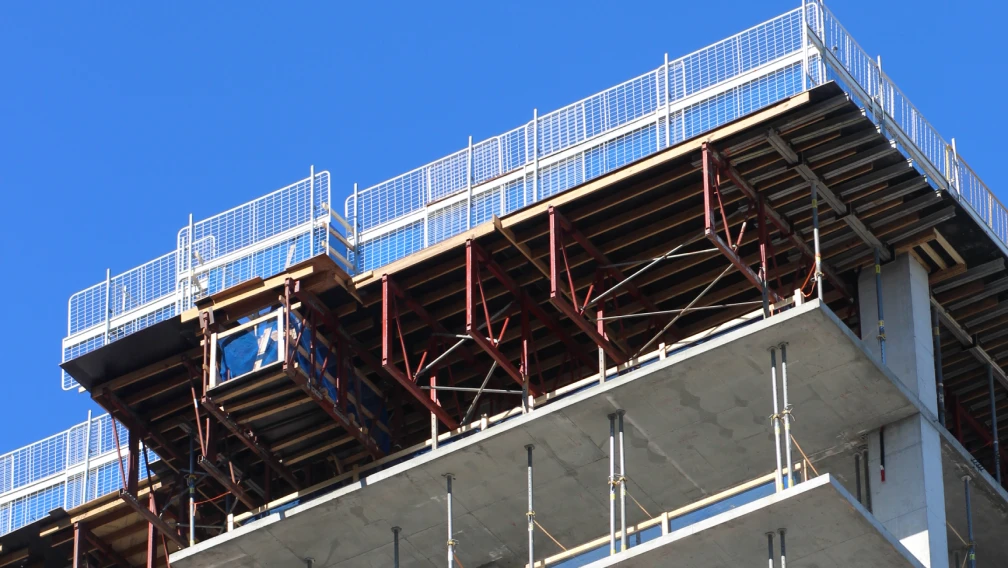
The system carries the exterior scaffold on steel cantilever beams that bolt to each working level and are tied back with adjustable steel rods, so nothing has to be built up from the ground. A beam layer goes in every few floors, each carrying a scaffold section of roughly 20 meters, and you re-cantilever up the tower. The beams stay short and outside the building because a threaded insert cast into the wall or edge beam takes the bolt, and an inclined tie rod tensioned by a closed-body turnbuckle carries the beam's outer end into the structure above.
For complex facades, adjustable-angle beams and rotatable corner fittings let the beam follow the building's contour and keep the tie rod pulling true, even where an embed lands slightly off or the wall turns a corner. That adaptability is what lets one standardized kit cover a whole tower instead of cutting a bespoke part for every position.
What's in the kit
| Part of the system | What it does |
|---|---|
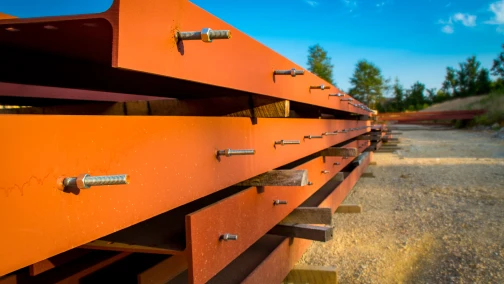
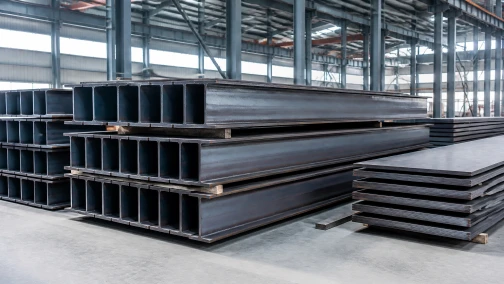
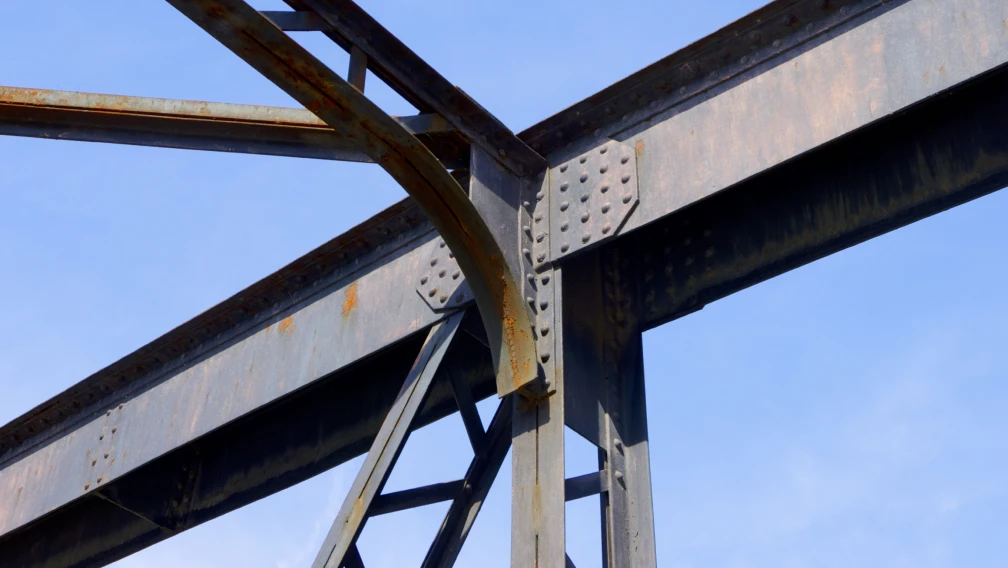
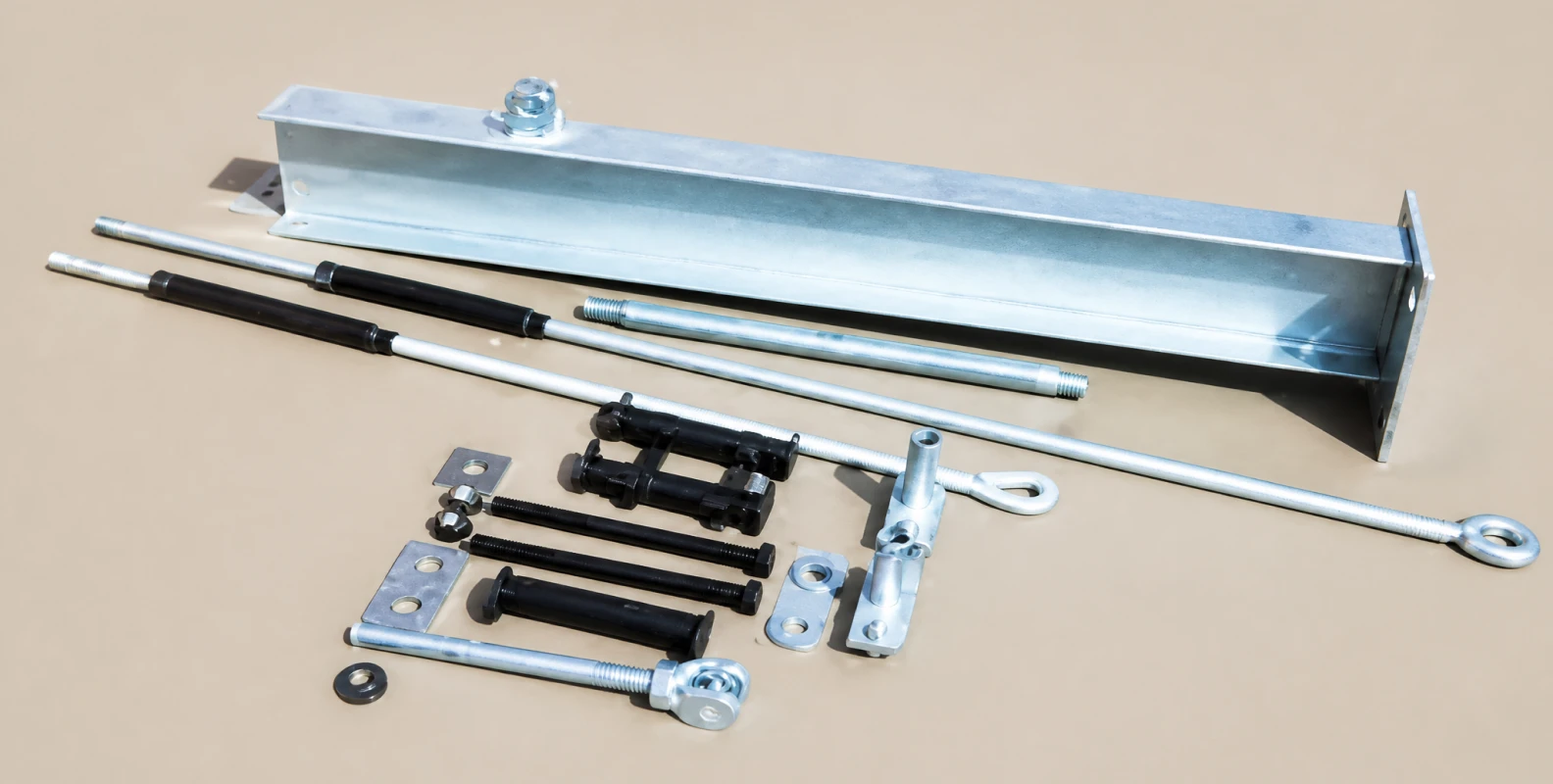
| Cantilever I-beams, custom lengths (about 1.3-2.4 m) | Carry the scaffold section off each level; Q235, sized to the load |
| H-section steel option | Higher-capacity beam where loads or spans are larger |
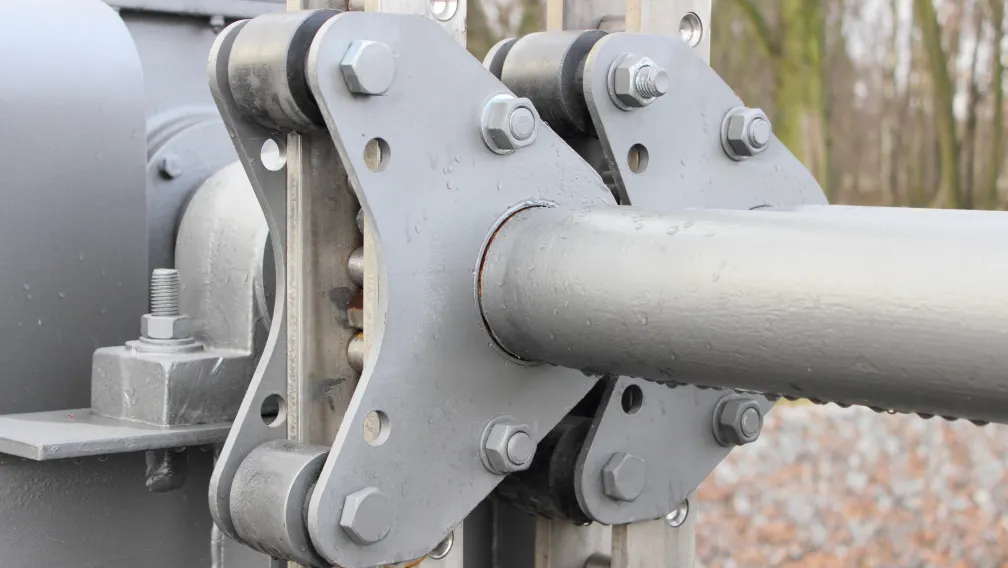
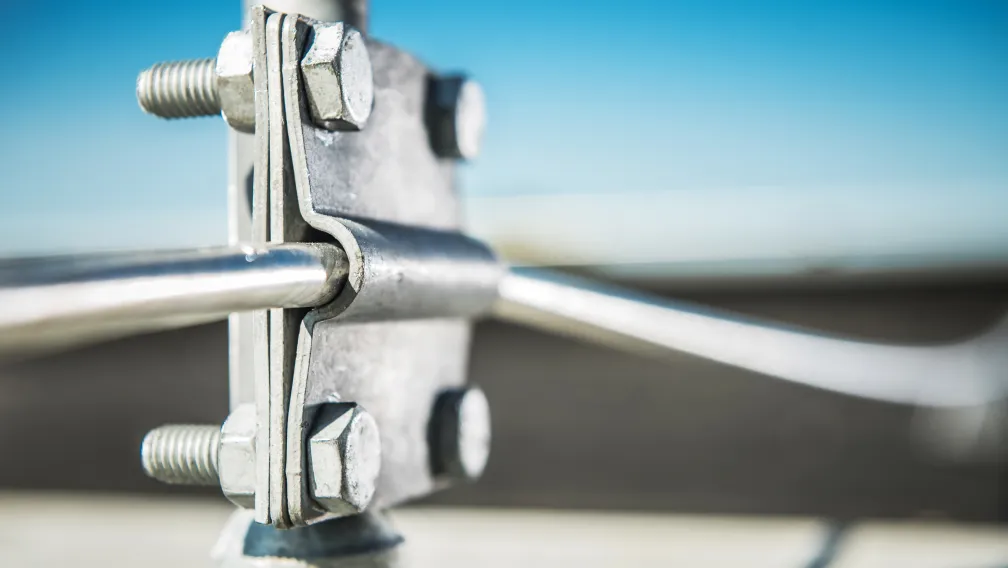
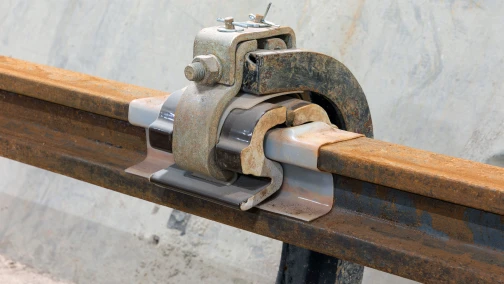
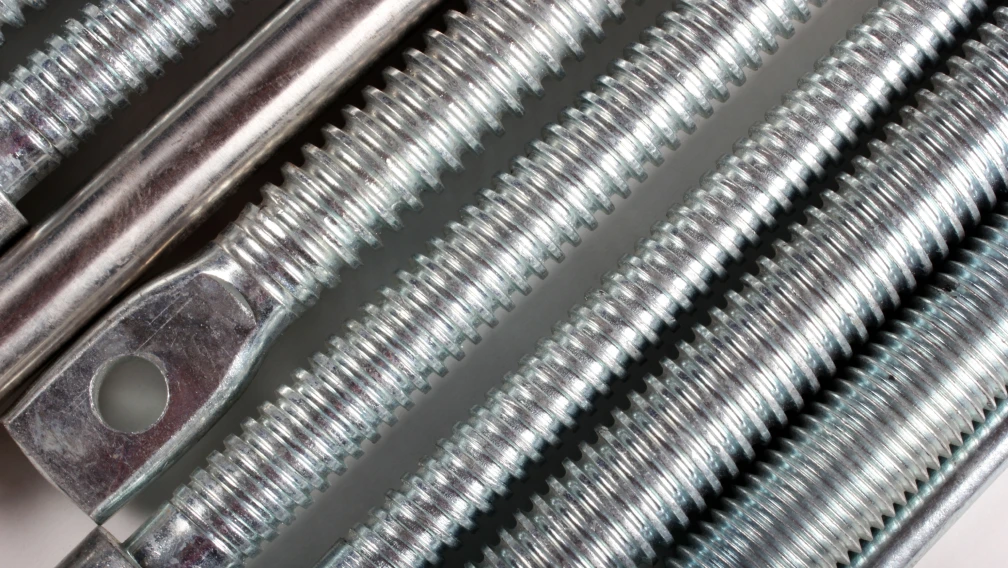
| Adjustable tie rods, closed-body turnbuckles, twin-ear anchors, pins | Tie the beam's outer end back to the structure above and set the tension |
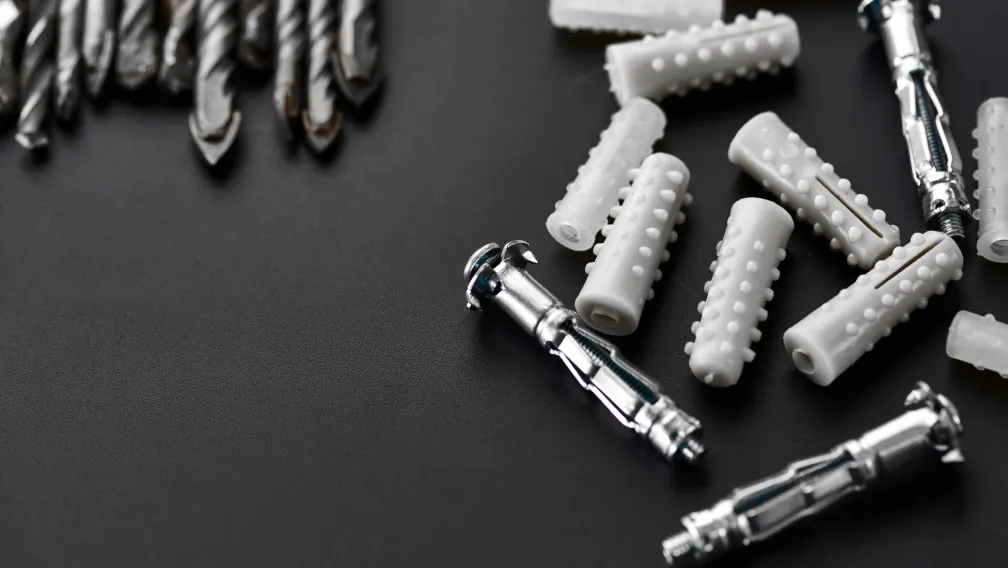
| Concrete threaded inserts and embedded parts | Cast into the wall or edge beam so the beam and rod bolt on later, and back out for reuse |
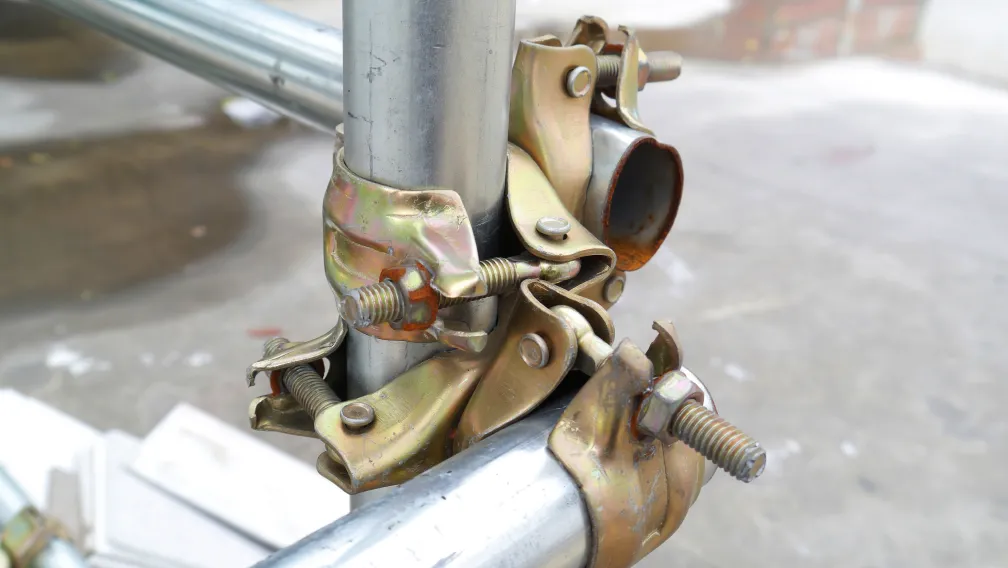
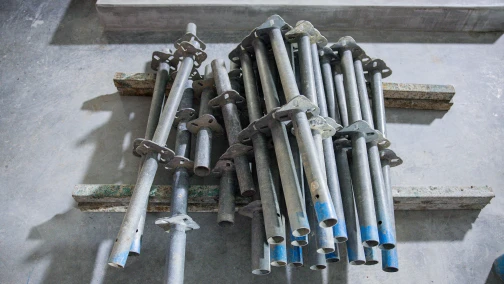
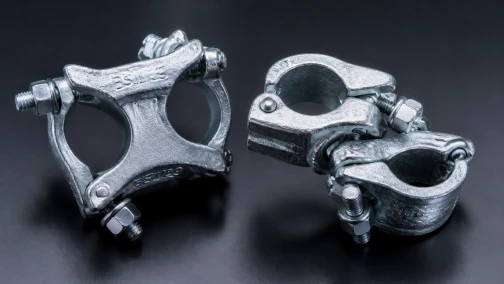
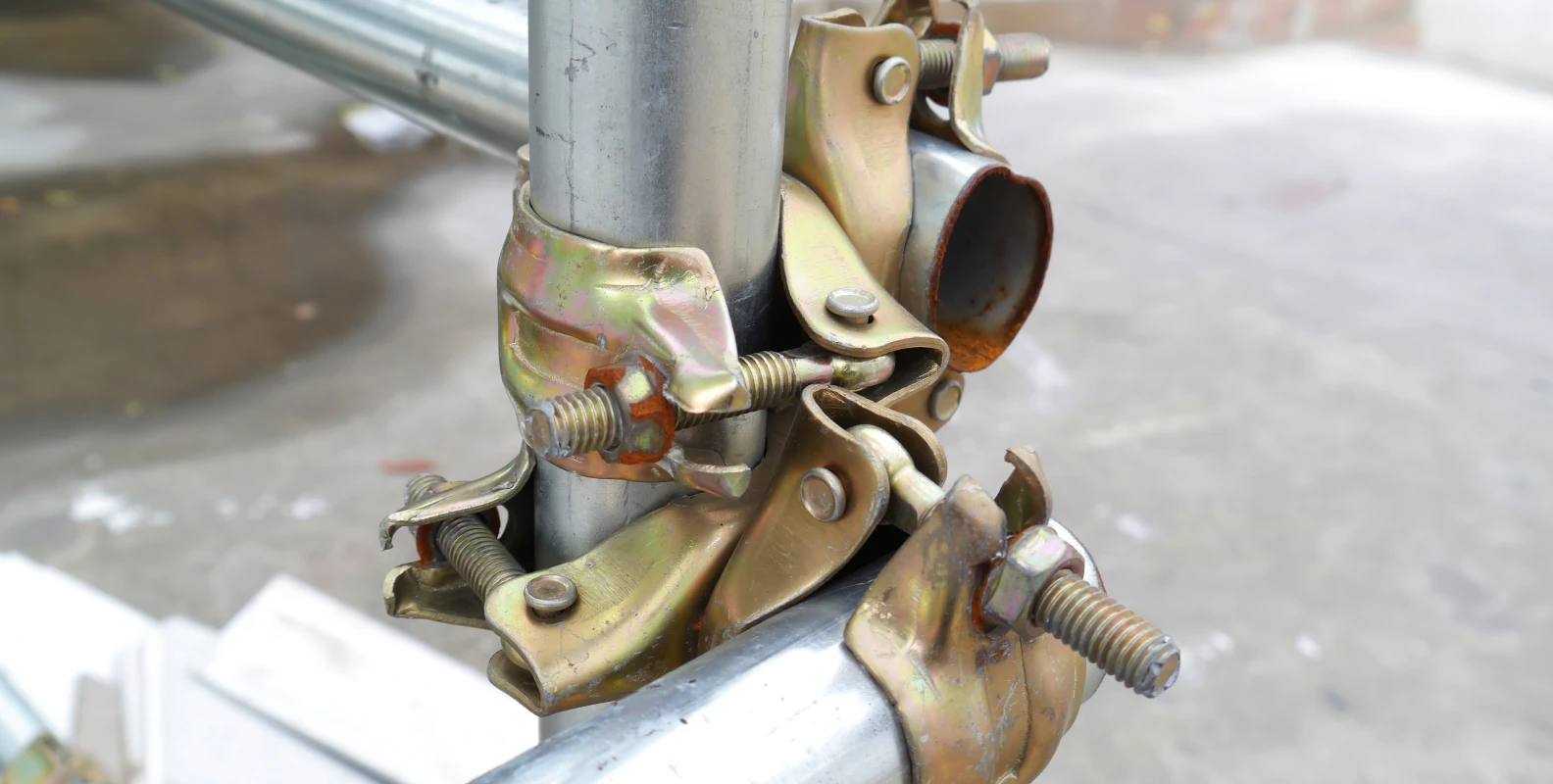
| Positioning pins and couplers | Fix the standards to the beam layer and join the scaffold tubes |
| Rotatable corner and angle fittings, adjustable-angle beams | Fit the system to corners, setbacks, and irregular facades |
| Edge protection, loading platforms, standardized safety facilities | Round out the site package alongside the cantilever hardware |
What you get out of it
The point of switching to the embedded tie-rod system is measurable, not cosmetic:
| Factor | Outcome vs. traditional buried-beam frames |
|---|---|
| Steel use | Cut by 50-56%, since the beams are short and stay outside the building |
| Installation | Mostly prefabricated and bolted, so it goes up faster with less crane time and labor |
| Interior work | No anchoring inside the building, so masonry and floor trades keep going |
| Structure and sealing | Only a bolt is embedded in the outer wall, so there are fewer openings to seal and less leak risk |
| Reuse | Bolted, standardized parts come off clean and turn over across the job, lowering cost per square meter |
| Safety | Bolted connections can't be quietly removed on site, and the adjustable rod holds the beam at correct tension |
On a repetitive floor cycle, the reuse is where the money is. Because the kit comes back off the wall intact and standardized, the same beams, rods, and turnbuckles follow the tower up and then move to the next project, instead of ending as scrap after one pour.
Where it fits
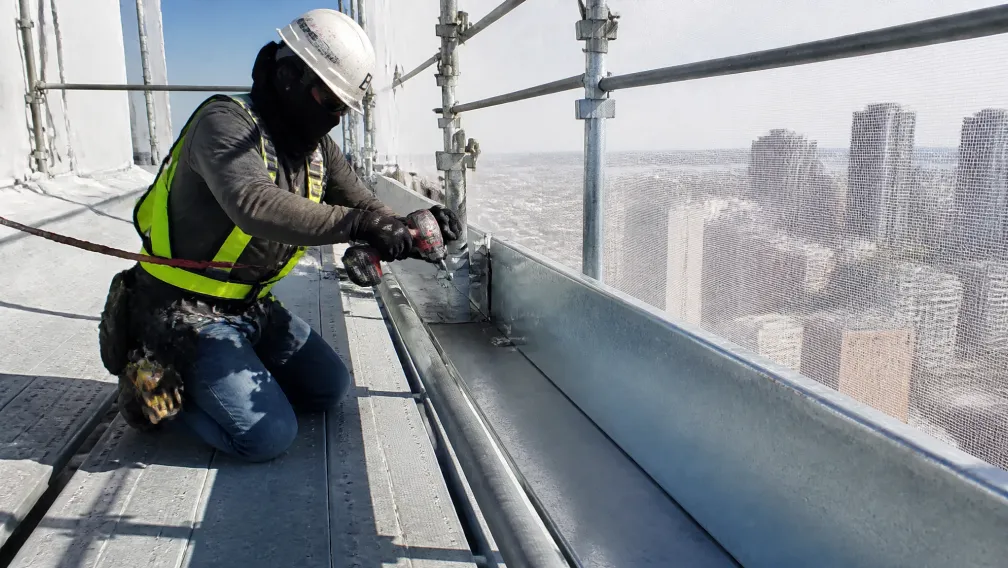
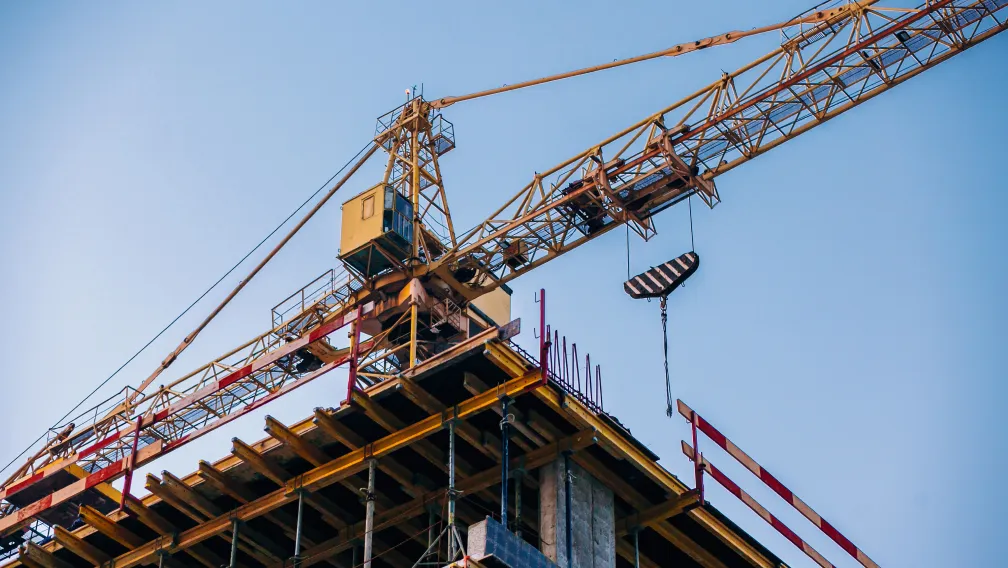
- High-rise residential and commercial towers that outrun a ground-supported scaffold
- Street-facing and occupied-building renovation, where the street and the tenants have to keep running underneath
- Setbacks, transfer floors, and corners that need adjustable-angle beams and corner fittings
- Tight urban sites with underground parking access or no ground room for a tower
- Municipal and infrastructure facade work where ground support is impractical
Why source the system from us
We run our own factory, so the beams and the full anchoring kit come from one place, cut to your lengths and matched for thread fit before they ship. The rods and turnbuckles come hot-dip galvanized because they live outdoors for months, and we send mill and load test reports with the hardware, along with the drawings and torque figures your crew needs to install it right the first time. OEM and ODM supply are available, and we ship worldwide with samples on request.
Talk to us about your project
Send us the building height, floor cycle, and facade details, and we'll spec a matched cantilever kit, beams, tie rods, turnbuckles, anchors, pins, and corner fittings, in custom lengths and galvanized finish, with test reports. Reach our team through the contact page for a quote and lead time.
Frequently asked questions
What building types is this cantilever solution for?
Mainly high-rise residential and commercial towers, street-facing and occupied-building renovations, and any site where the ground can't carry or make room for a scaffold. It's the standard answer when you can't build up from the pavement and need to hang the exterior scaffold off the structure instead.
How much steel and cost can it save versus traditional cantilever frames?
The embedded tie-rod method uses 50-56% less steel than the traditional buried-beam approach, because the beams stay short and outside the building. On top of that, the parts are reusable, so the cost per square meter keeps dropping across a repetitive floor cycle rather than being spent again each lift.
Can it handle corners and irregular facades?
Yes. Adjustable-angle beams and rotatable corner and angle fittings let the beam follow the facade and keep the tie rod pulling true at setbacks, transfer floors, and corners. That's the main thing standard, fixed-angle hardware struggles with on complex buildings.
Do you supply custom beam lengths and complete kits?
Yes. We make cantilever I-beams in custom lengths, commonly around 1.3 to 2.4 m, and supply the full kit, tie rods, turnbuckles, anchors, pins, inserts, and corner fittings, matched and thread-checked from one factory so the parts fit clean on site.
Is the system engineered and safe?
Cantilever scaffolding is an engineered structure and is always installed to a project design and the applicable local code. The hardware is built for that: bolted connections that can't be casually removed, back-out anchors, galvanized rods, and test reports. We supply the drawings and torque figures so the design is followed in the field.
Do you ship worldwide and offer OEM?
Yes. We export worldwide and support OEM and ODM orders, including custom specs, private labeling, and complete project kits. Samples are available before a bulk order.
-

Lengge
Cantilever Scaffolding System Manufacturer
Lengge is a China-based factory producing cantilever I-beams, tie rods, couplers, embedded parts and full scaffolding accessories. We supply contractors, wholesalers and rental companies in over 50 countries from our own production facility in Hebei.